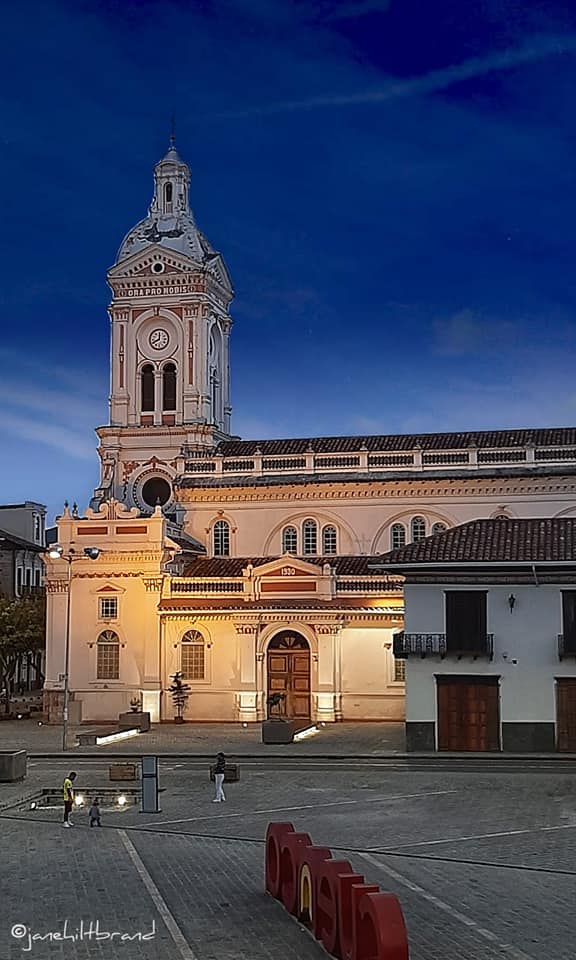
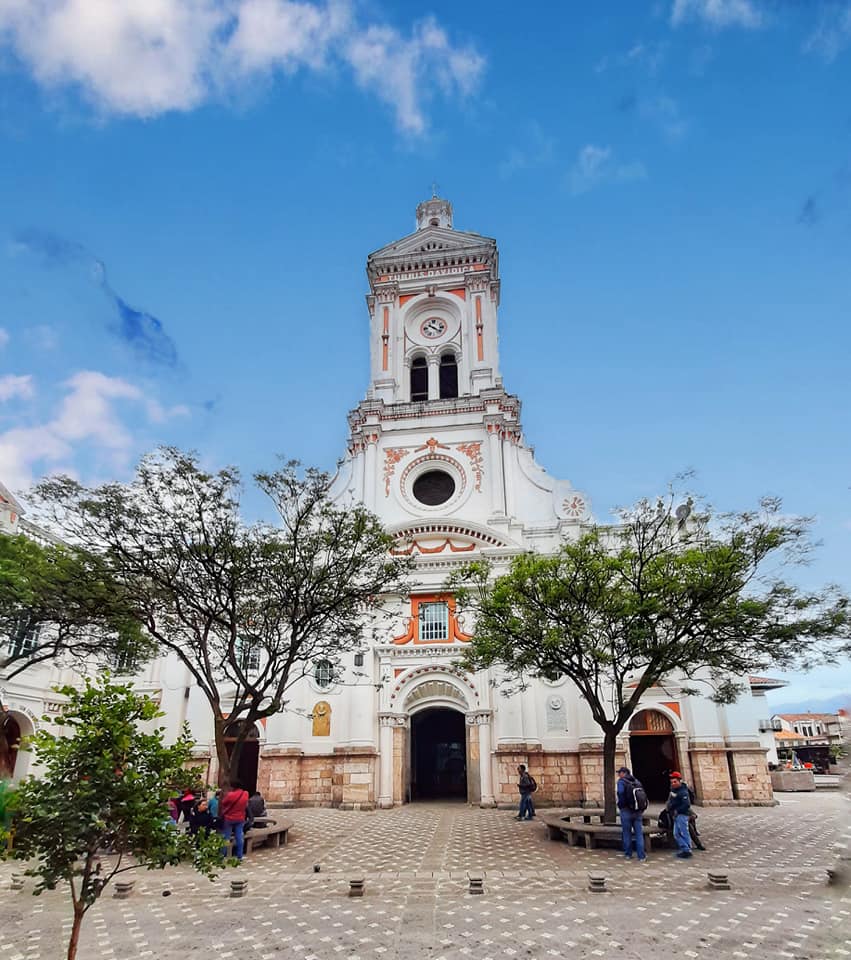
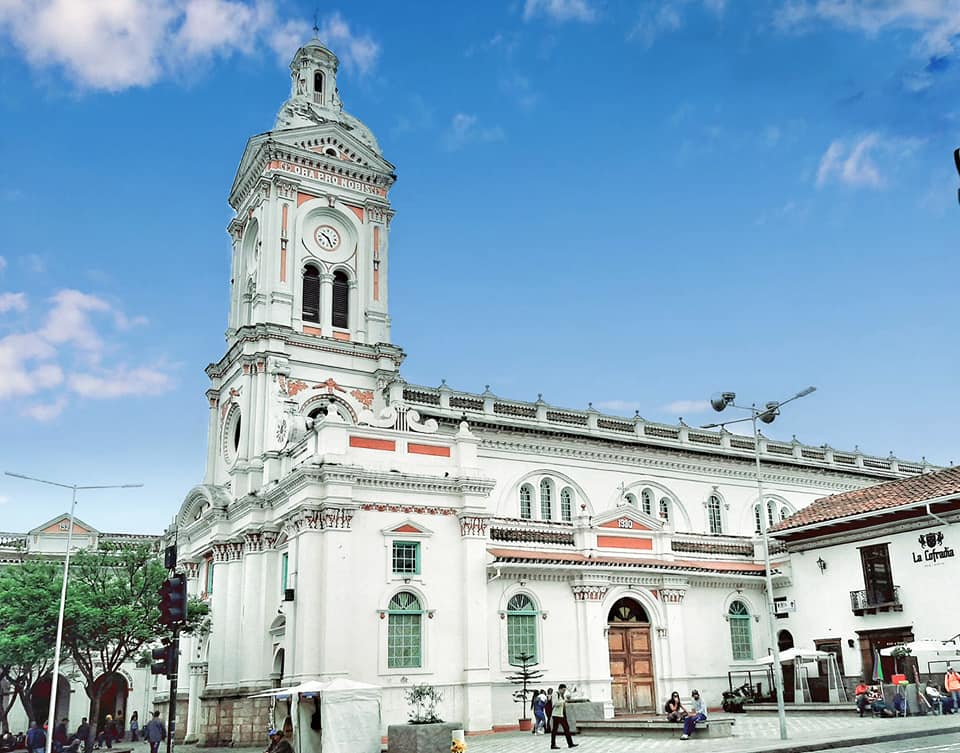
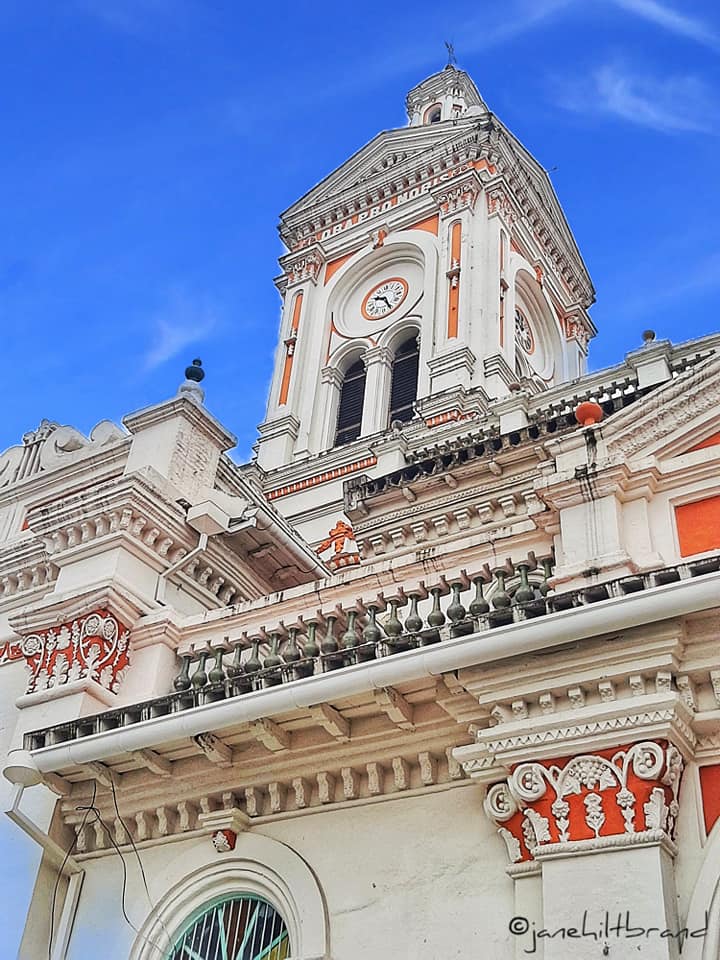
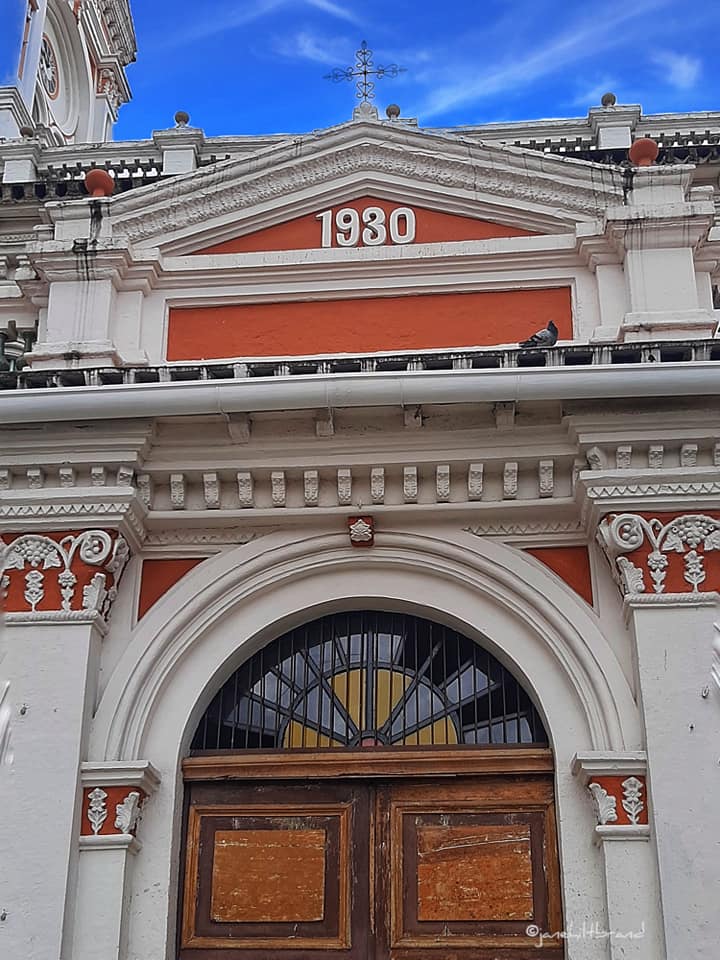
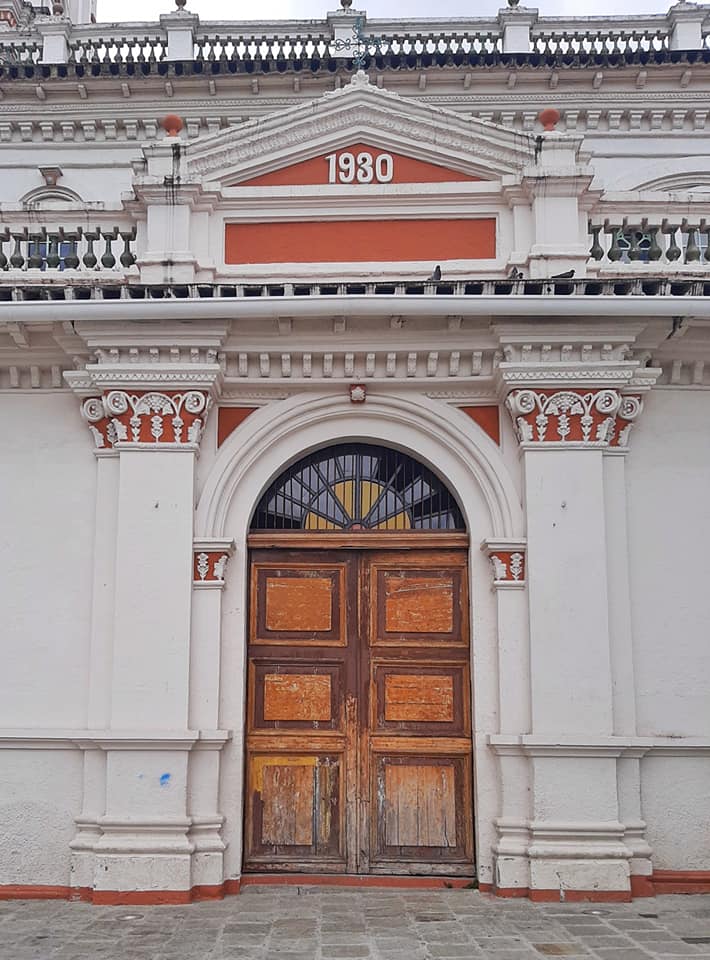
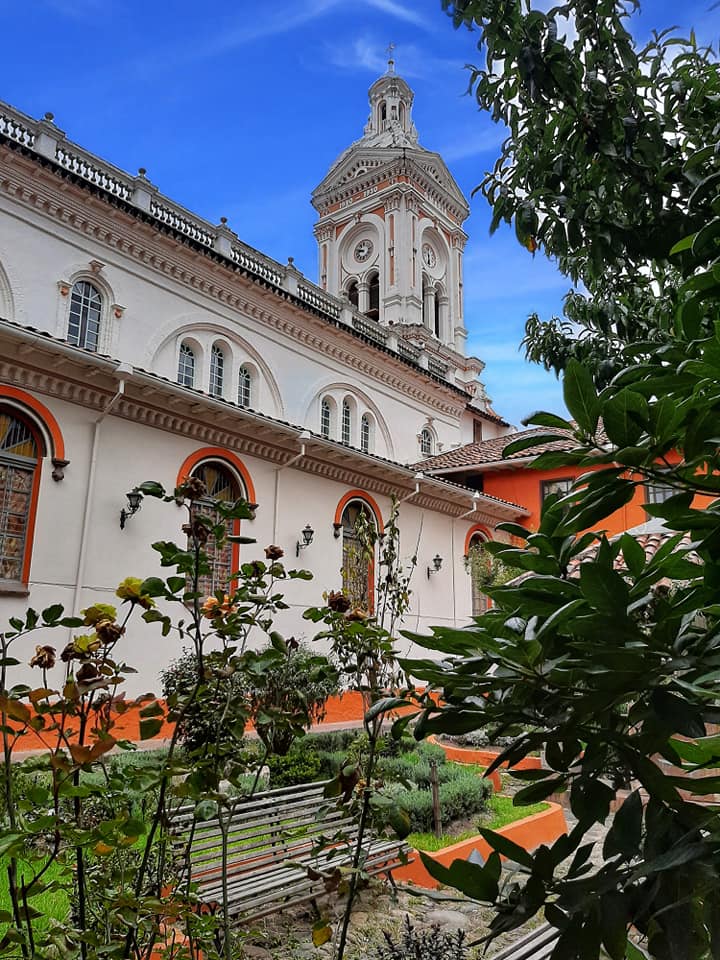
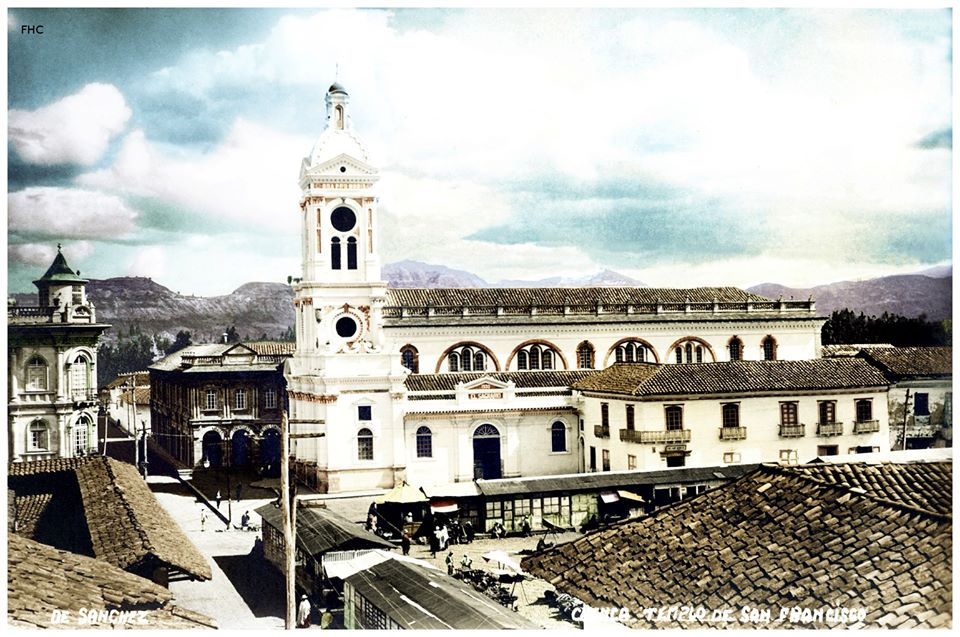
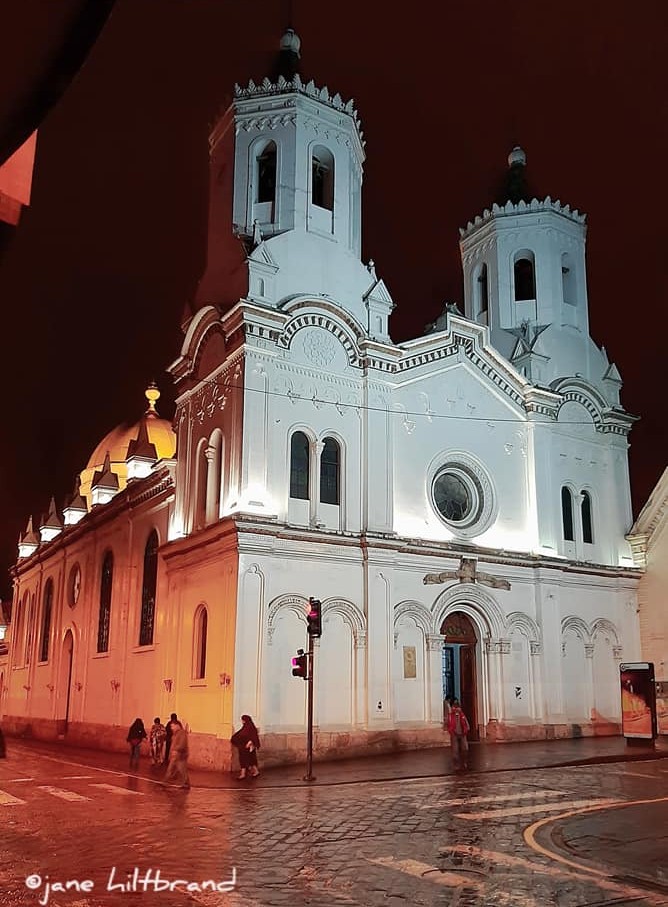
Calles Padre Aguirre y Presidente Cordova. Built from the 16th Century through 1930.
In 1557 Gil Ramirez Davalos reserved a plot of land for the Franciscan Monastery. The construction of the early church dates to 1560, although the present day church is the result of remodeling initiated in 1920 and concluded in 1932.
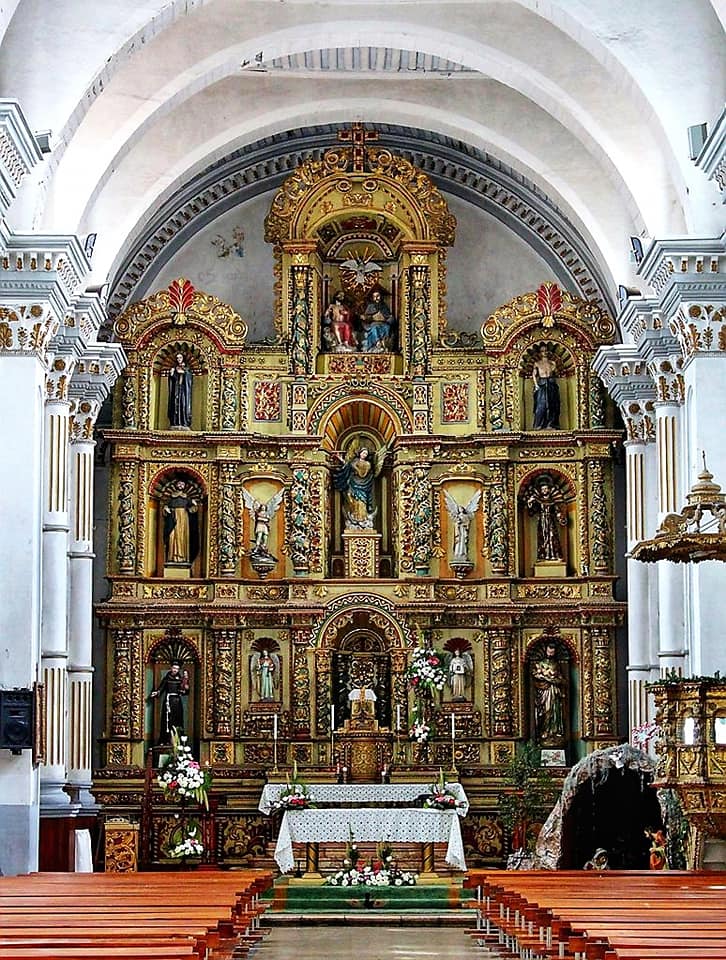
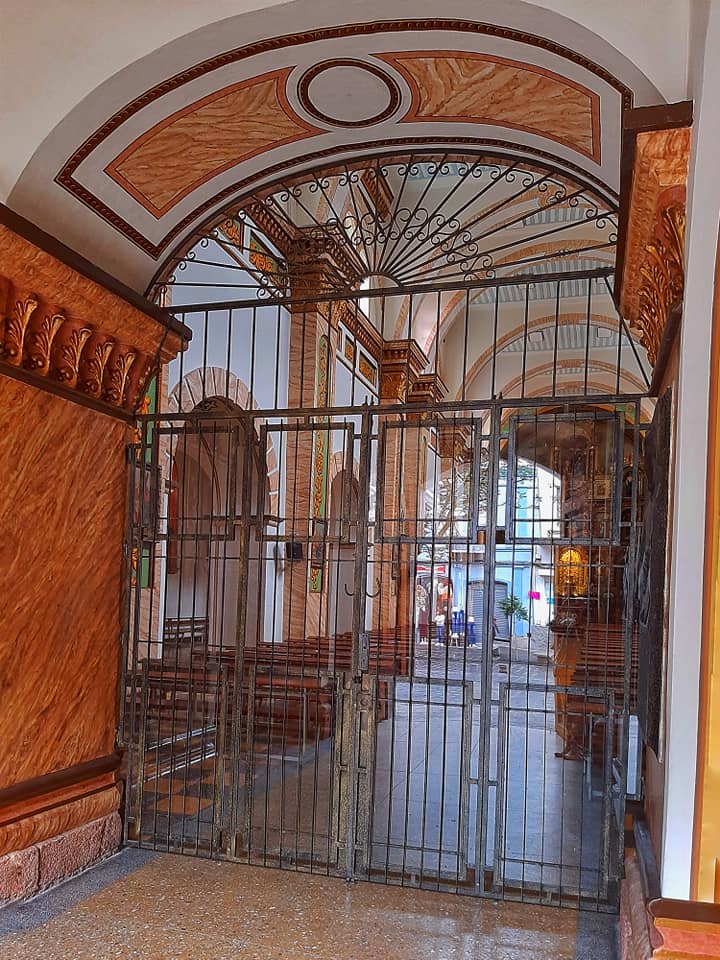
The main altar of the church dates back to colonial times; and has fine carvings covered in gold leaf, as does the original pulpit.
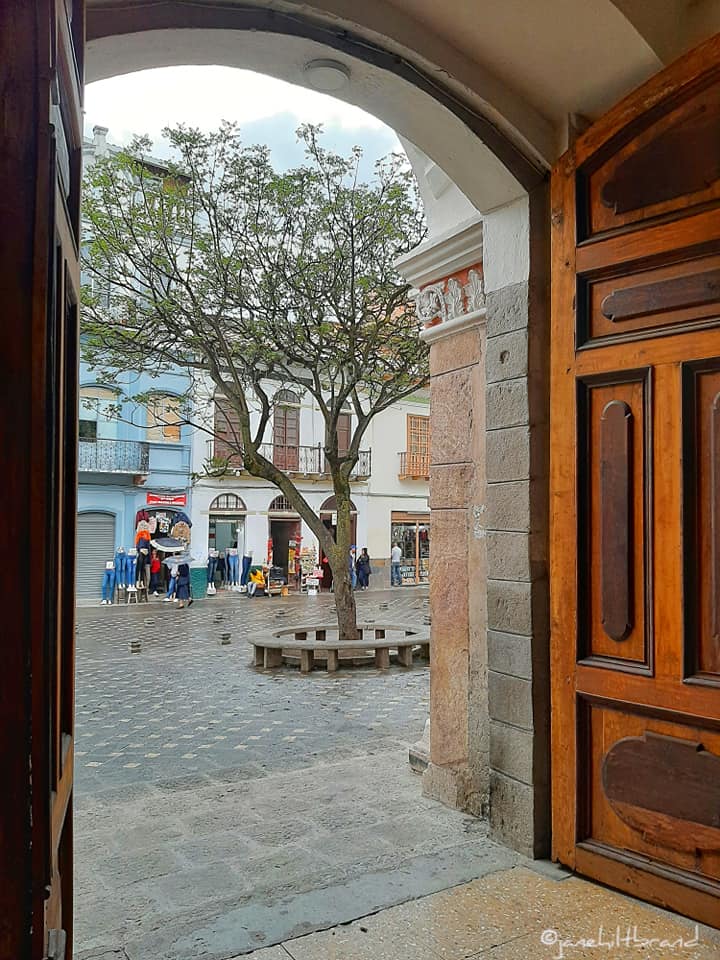
The church borders Plaza San Franciso, an important market, and location for City Concerts and Events.
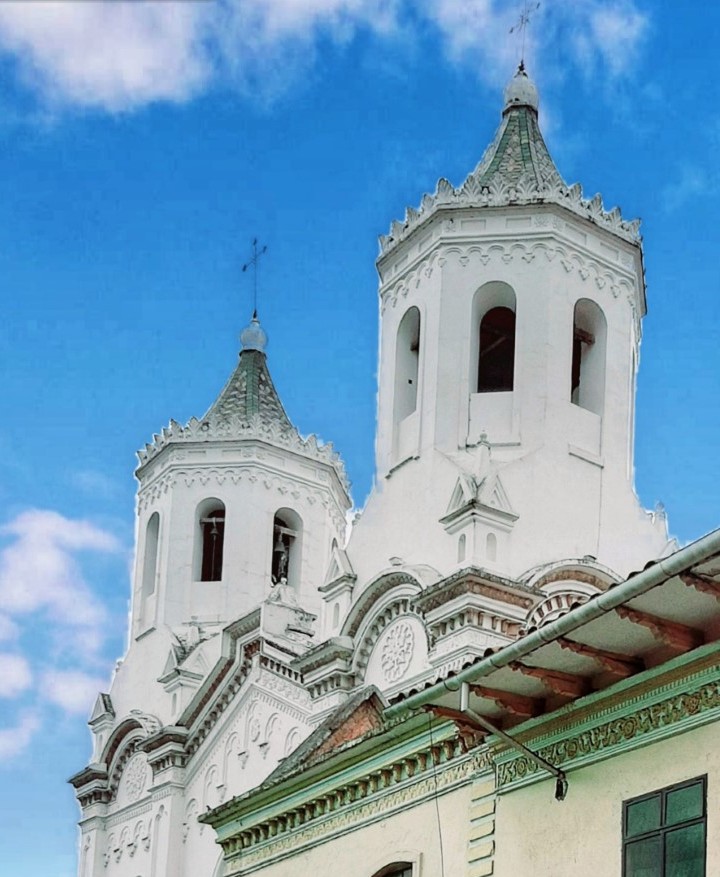
At the top of the tower there is a bell and a clock surrounded by phrases of faith written in Latin.
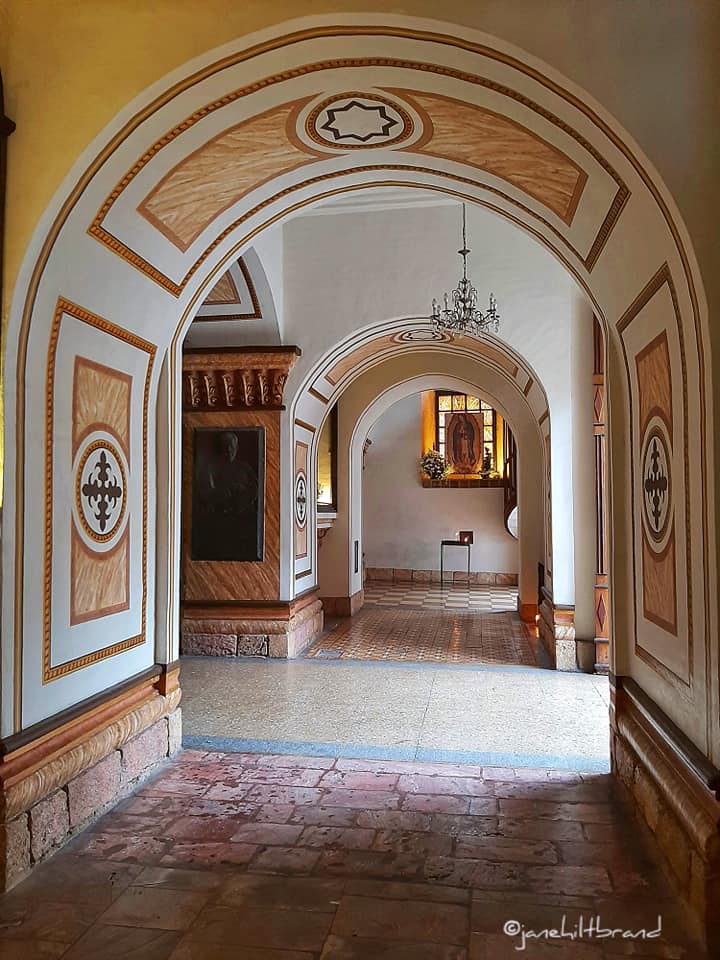
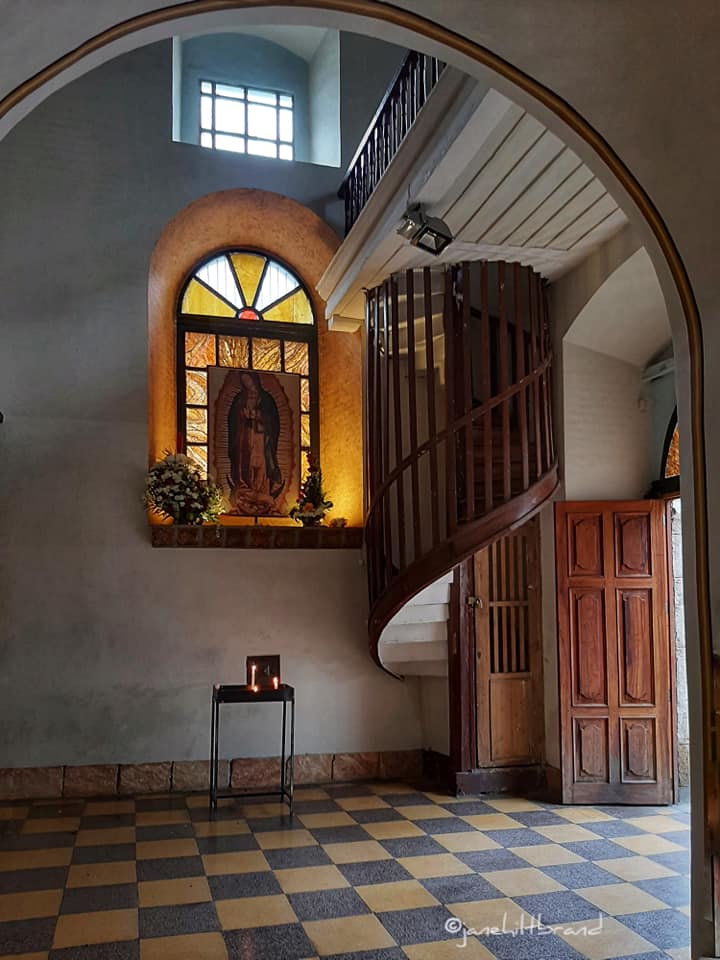
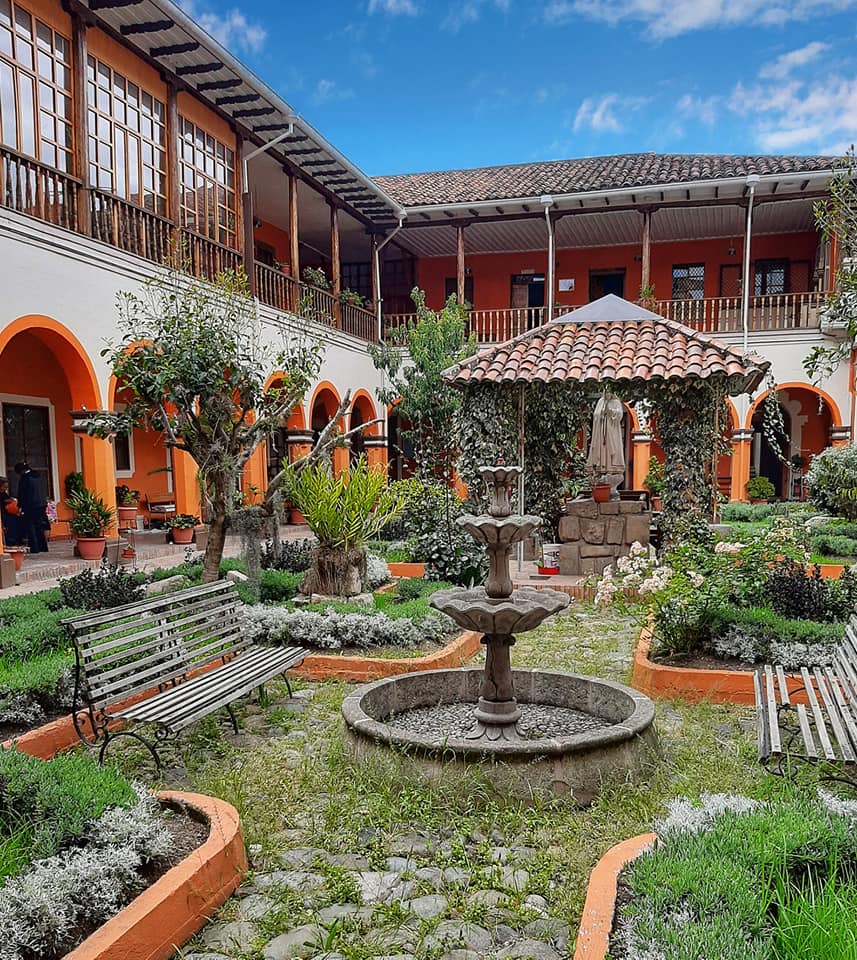
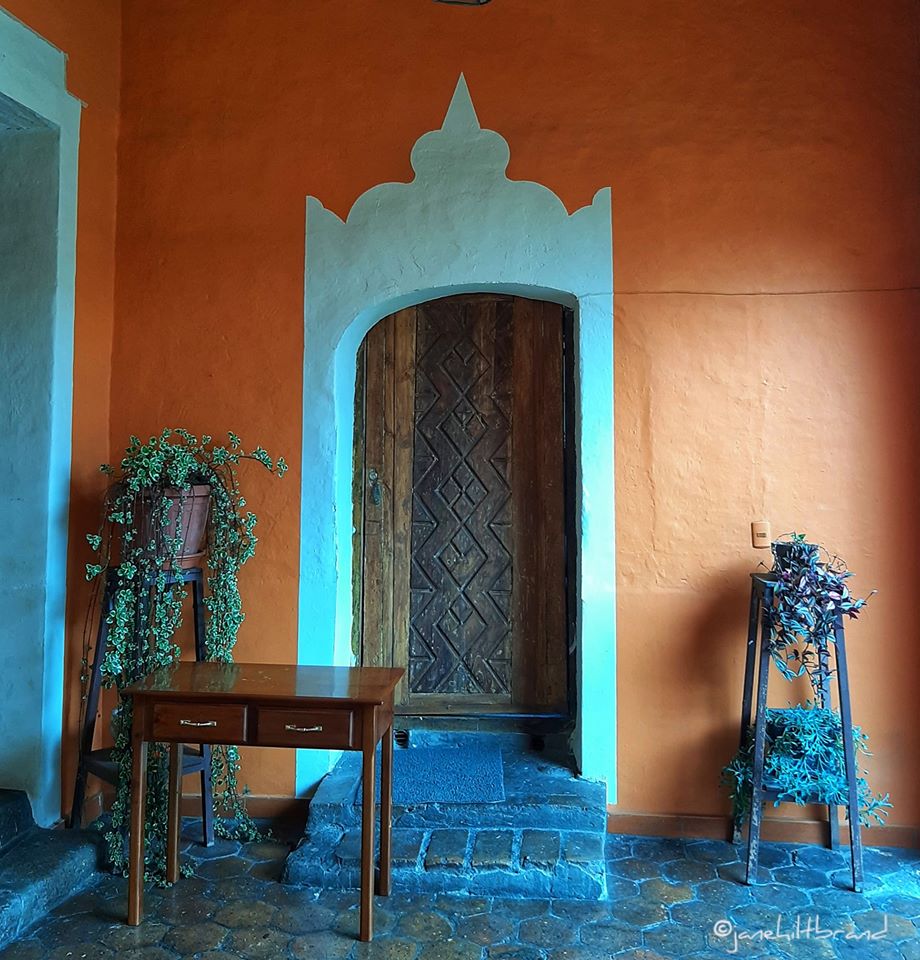
Beside the church is the Parish House with a lovely garden courtyard.
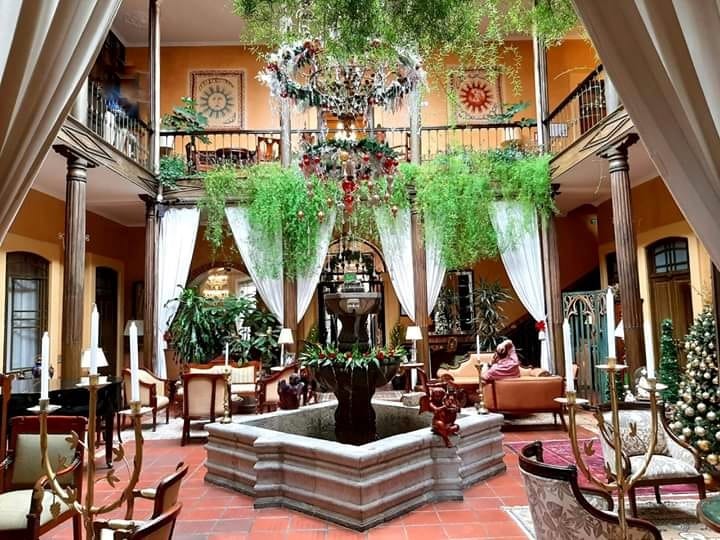
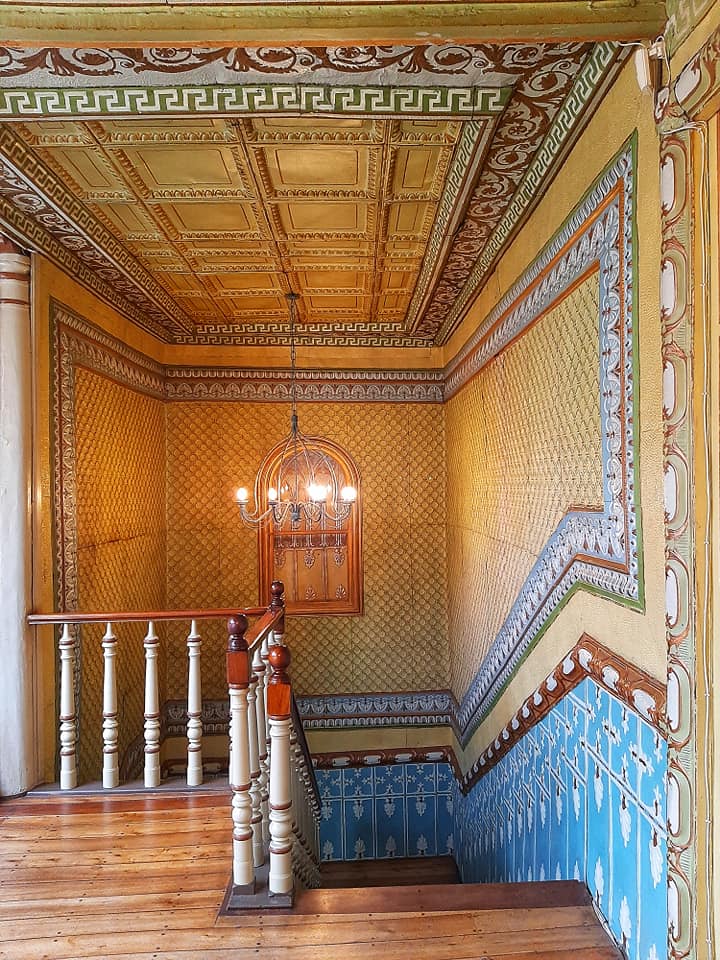
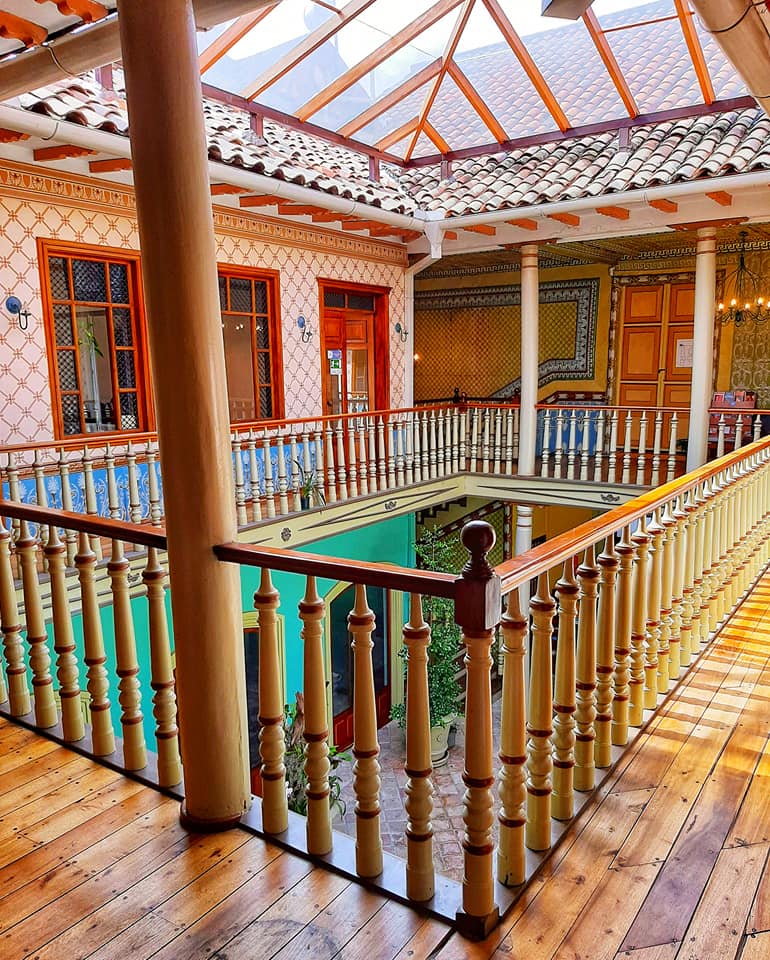
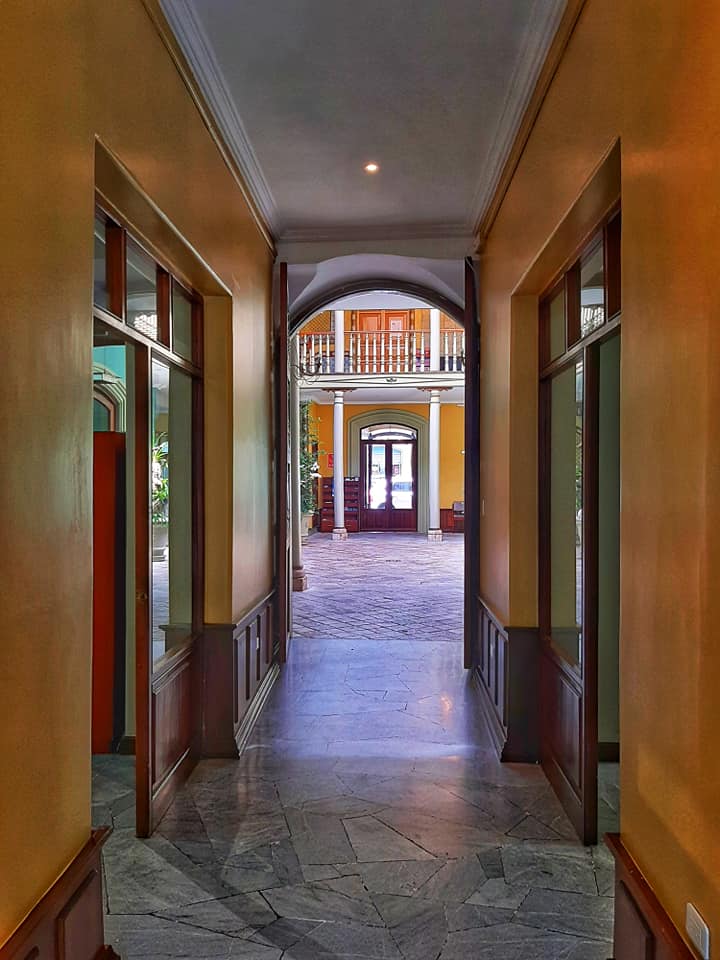
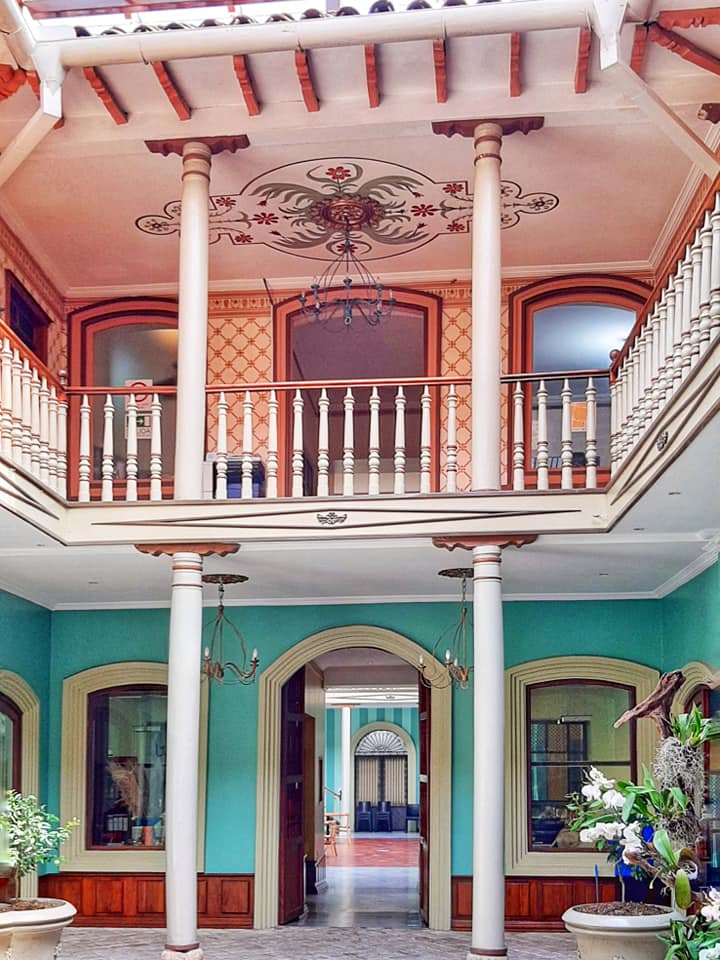
The beautiful Mansion Alcazar is once again open! The “Casa Cordero” as the current Mansión Alcázar was known was built at the end of the 19th century and belonged to Enrique Cordero, son of the former President of Ecuador, a Cuencano man, Dr. Luis Cordero.
In 1999, a comprehensive restoration of the property began, taking care of all the architectural and decorative details. It officially opened as a Boutique Hotel in 2001.
A part of the garden was adapted to turn it into a pergola which housed the distinctive restaurant, CASA ALONSO.
La Mansión is one of the few houses in the city center that still conserves its original gardens with large trees and beautiful flowers, varied vegetation and a natural environment that attracts dozens of bird species to visit the lush gardens.
The Hotel reflects the style of the Republican era, in which the mansion was originally built.
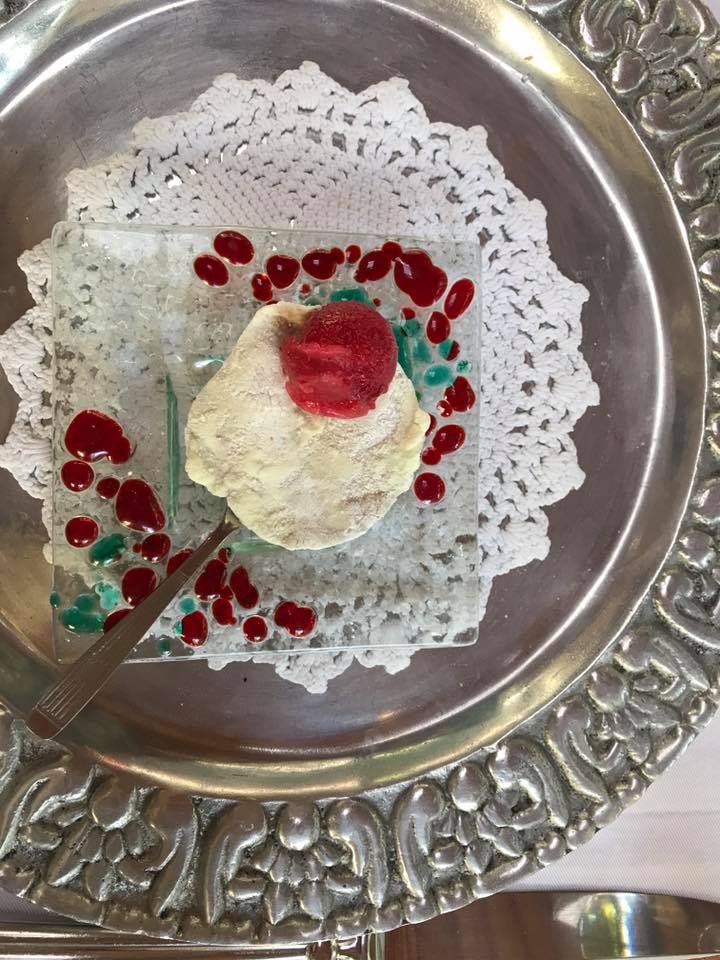
Dining in Casa Alonso was always a very special treat. Photo on right is a sugar-coated rose petal!
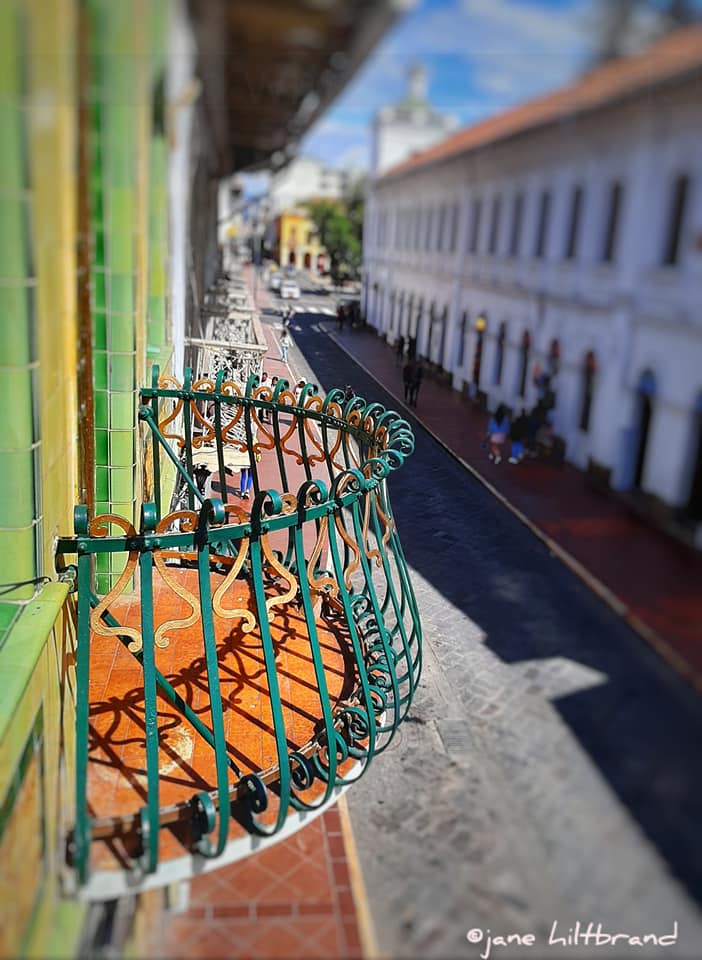
The balconies are a prized location to watch the 8 hour long Christmas Eve Parade, “Pase del Niño Viajero”, one of the most colorful parades in all of South America.
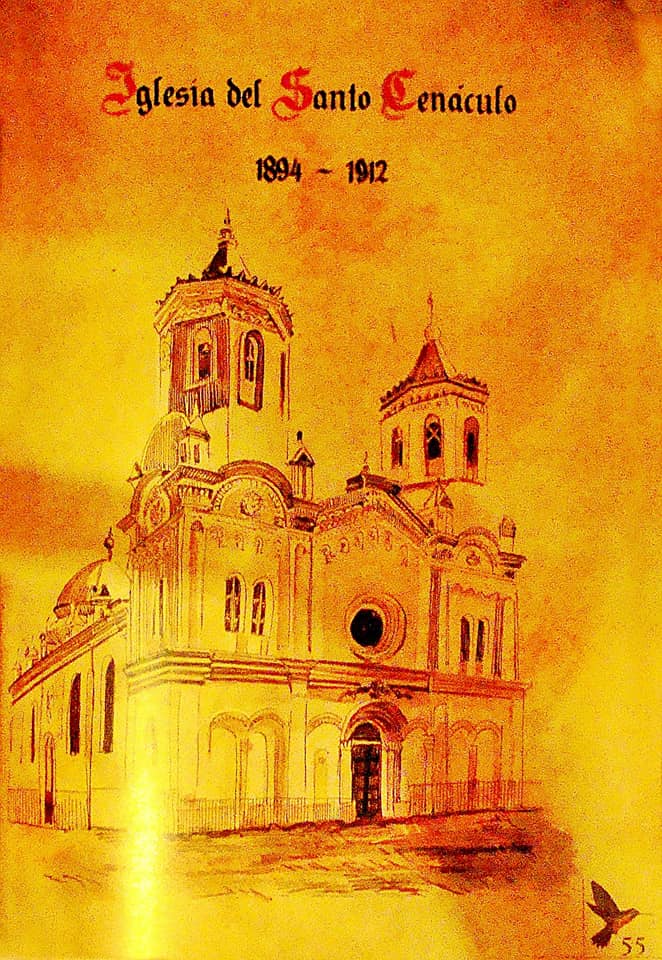
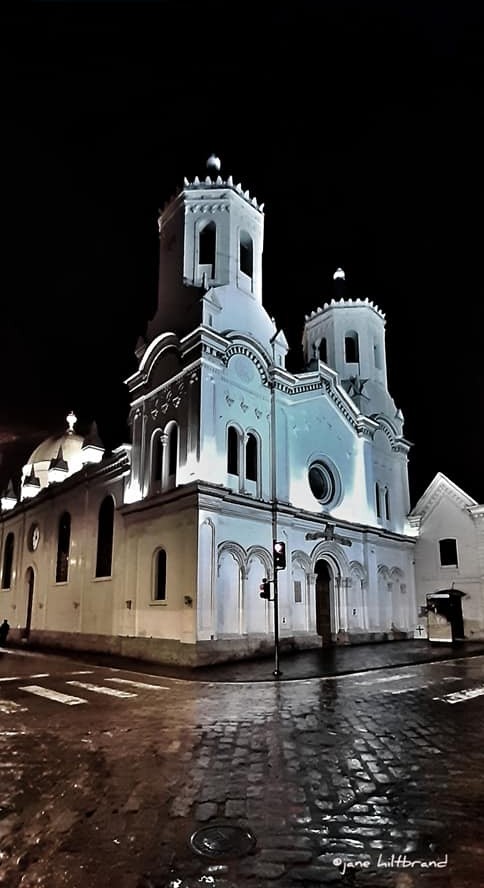
#28. IGLESIA DEL SANTO CENACULOCorner of Simon Bolivar and Tarqui. Built 1894-1912.
The first stone of this church was laid on May 24, 1894. It was the last work of this type to be designed by the Redemptorist monk Brother Juan B. Stiehle.
The building was completed in an incredibly short space of time, given the conditions of the period, and on several occasions mingas, or work-in-kind by the community were used to speed up the process, which culminated in 1912.
The columns display the image of the Holy Sacrament, a recurrent symbol in this church devoted to Holy Communion.
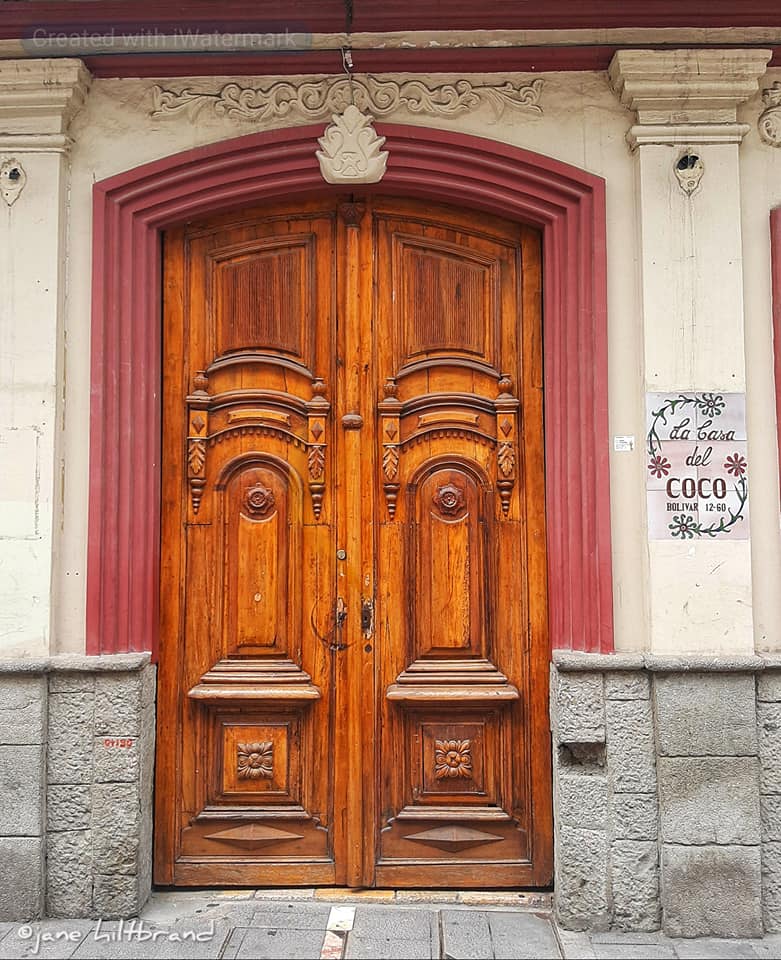
#27 LA CASA DEL COCO. Calle Simon Bolivar 12-60. Built in 1890.
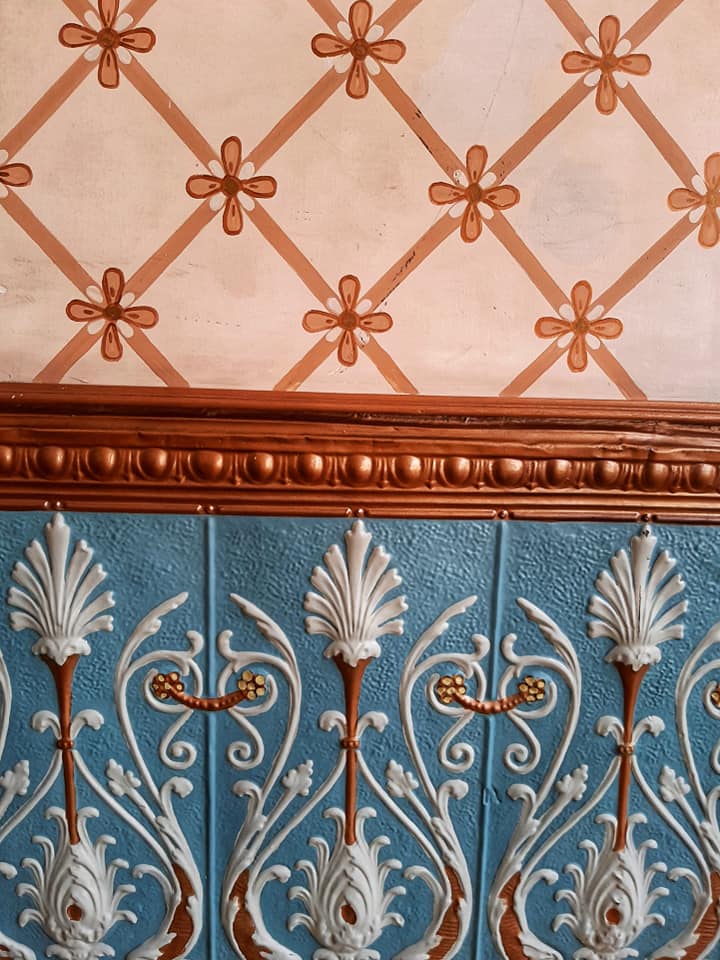
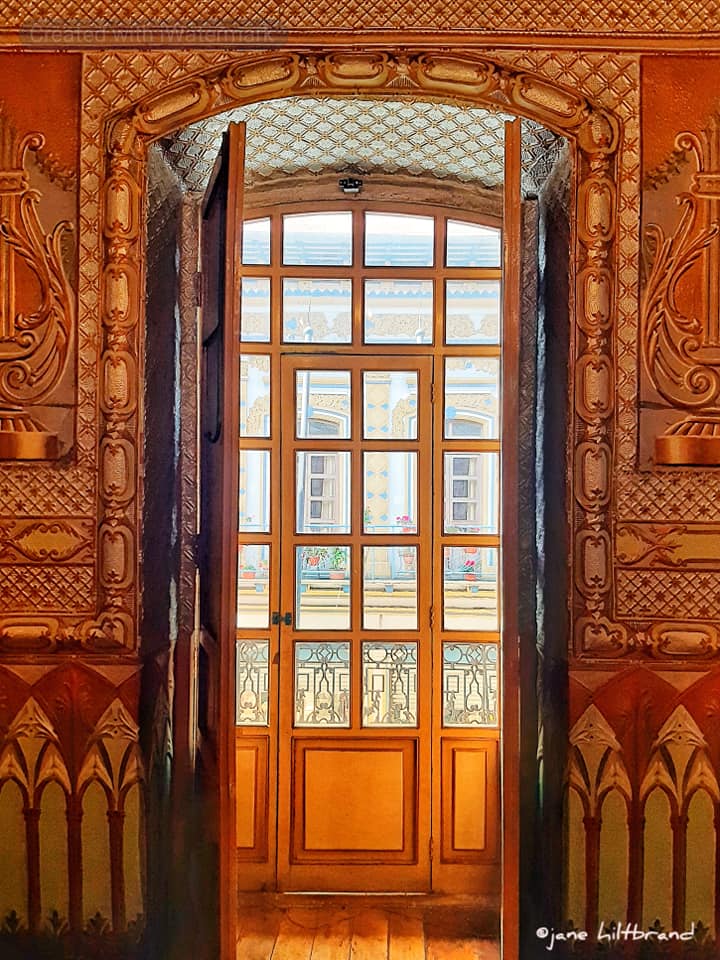
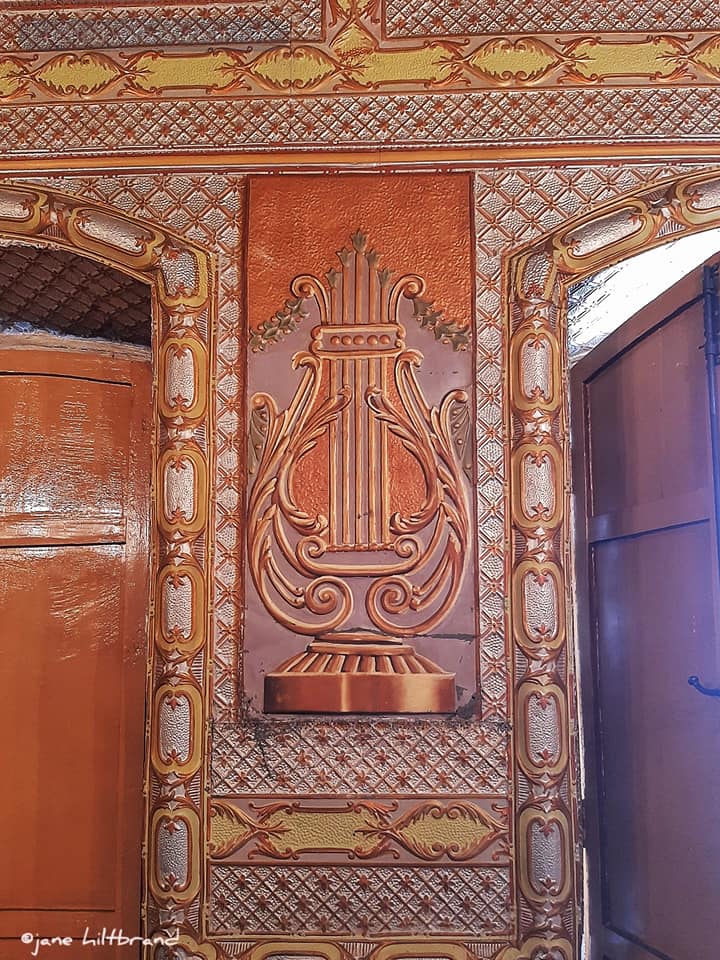
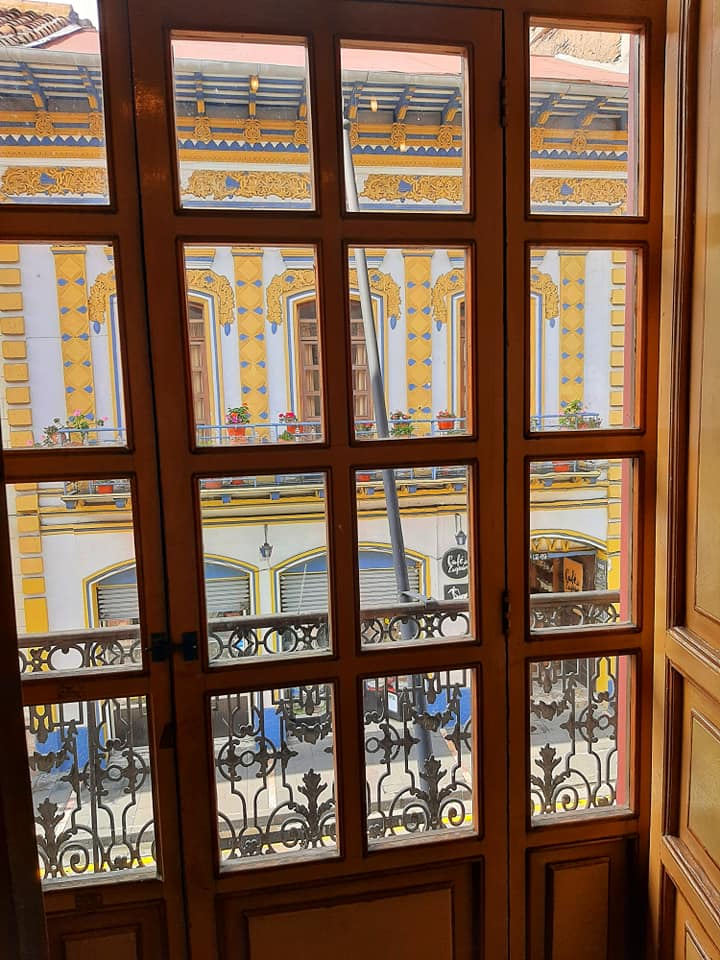
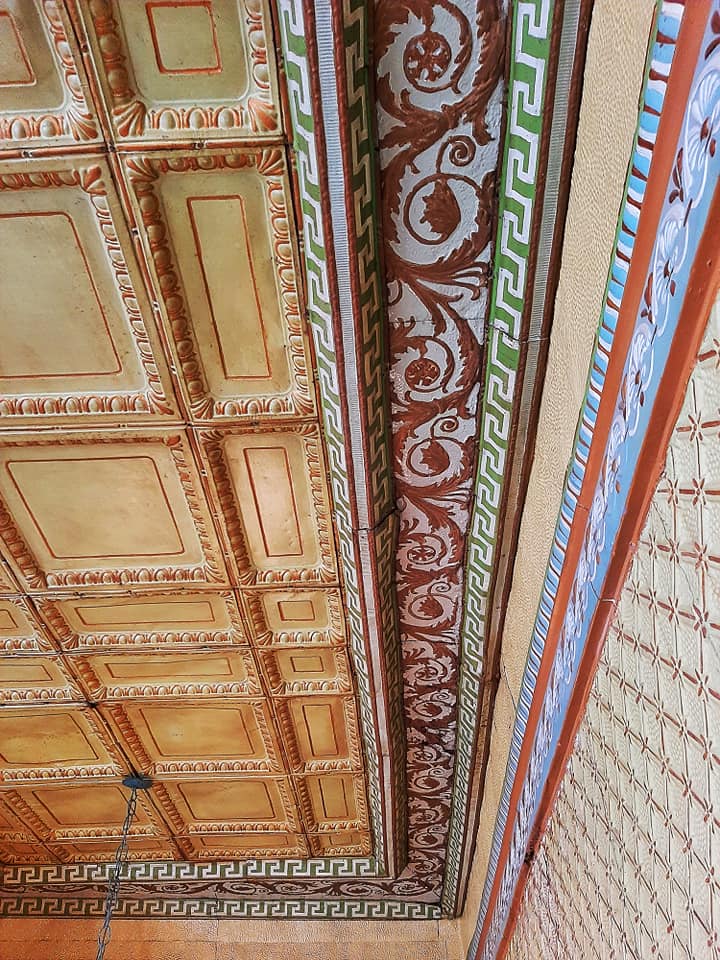
This building was the property of Florencia Astudillo Valdivieso, one of the wealthiest women in the region at that time. This house is one of the best fusion examples between the colonial style and French decoration. It’s main room was richly decorated with tin sheets imported from France and its facade was decorated with friezes, columns and frames giving the house an elegant republican style.
Currently there are offices for the Municipality of Cuenca on the first floor. The Tourism Foundation of Cuenca has offices on the second floor.
In most colonial houses, there was a courtyard in the front of the house, and an additional second courtyard behind that in the rear.
It is such an exceptional building to showcase the beauty of Cuenca!
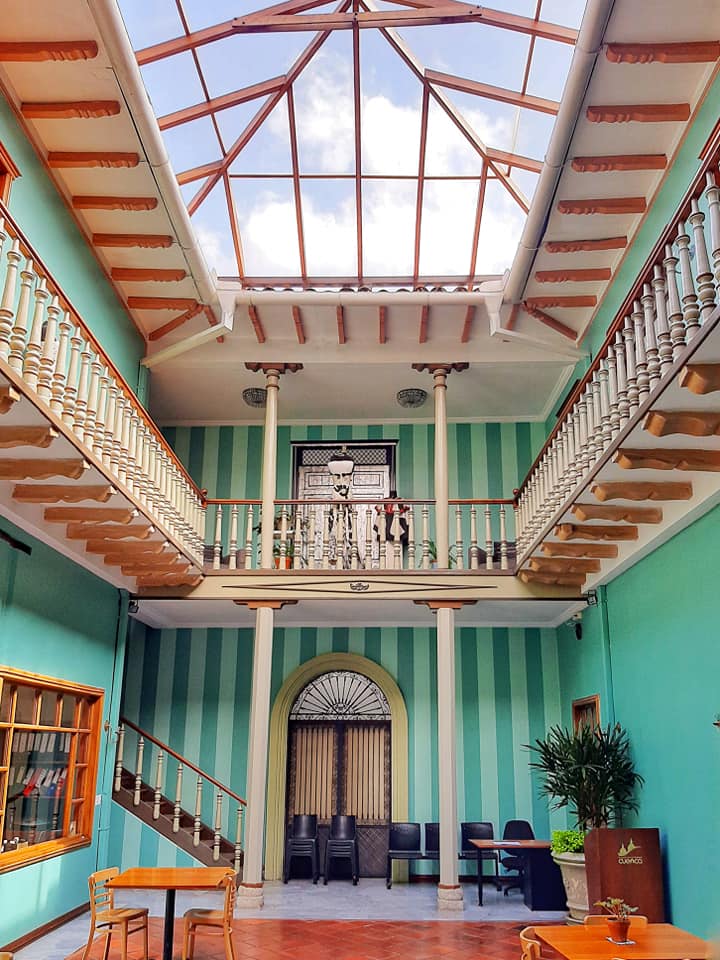
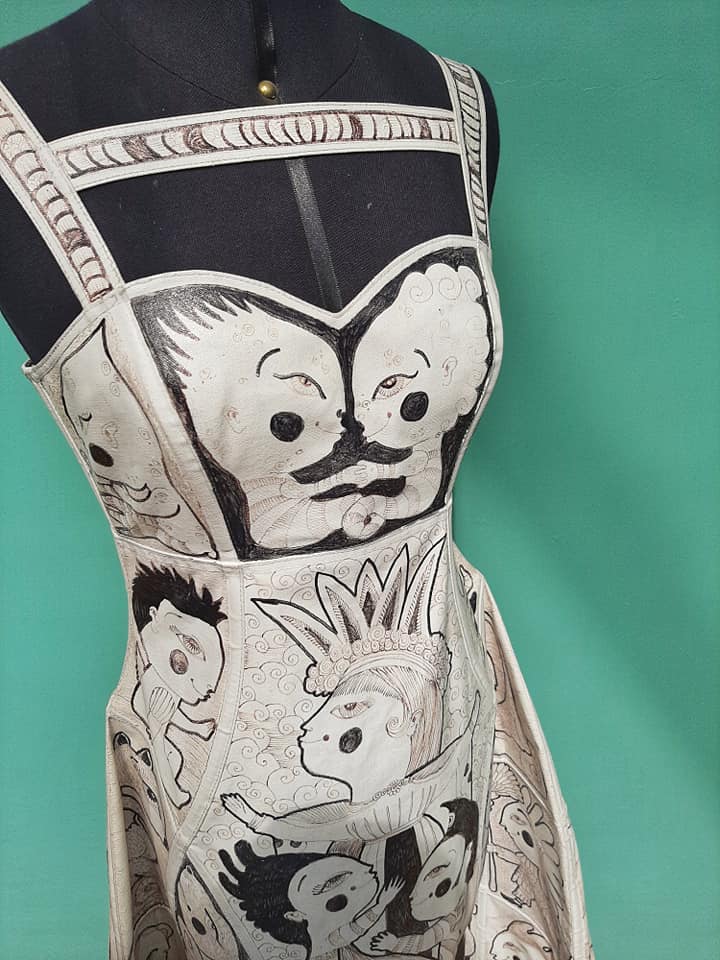
The building is currently owned by the Moscoso family. Gustavo Moscoso is a famous Ecuadorian clothing designer, with offices in Cuenca, and New York City.
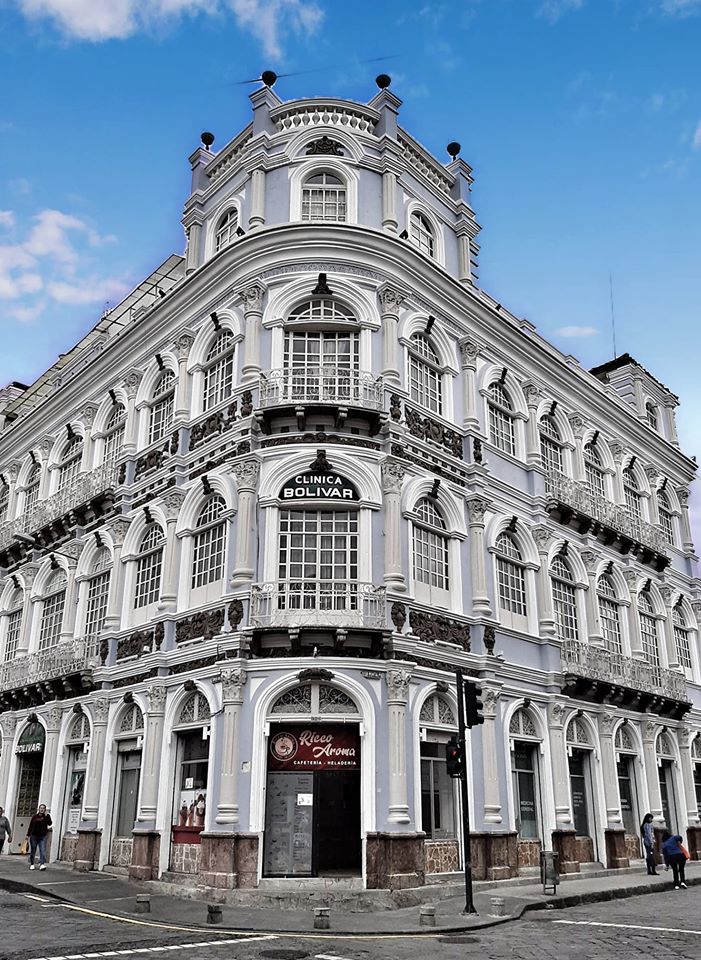
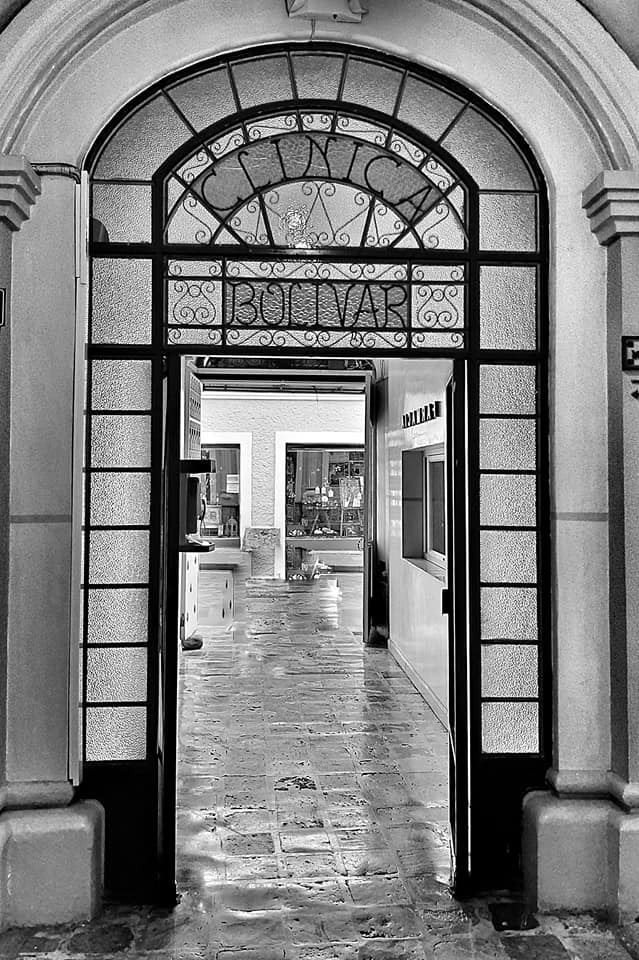
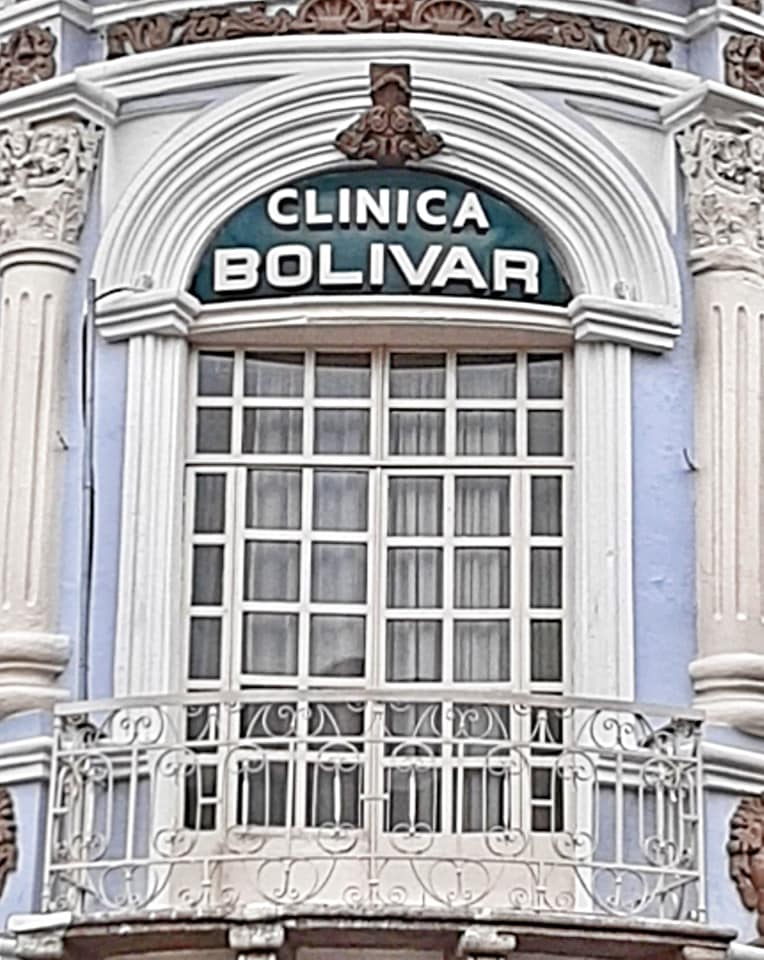
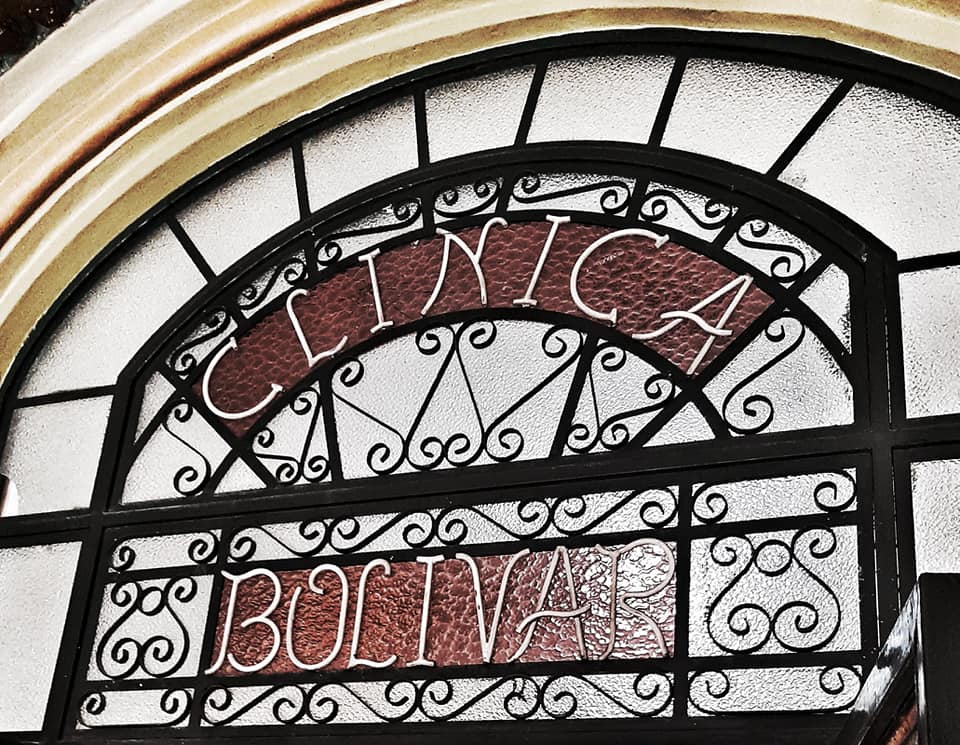
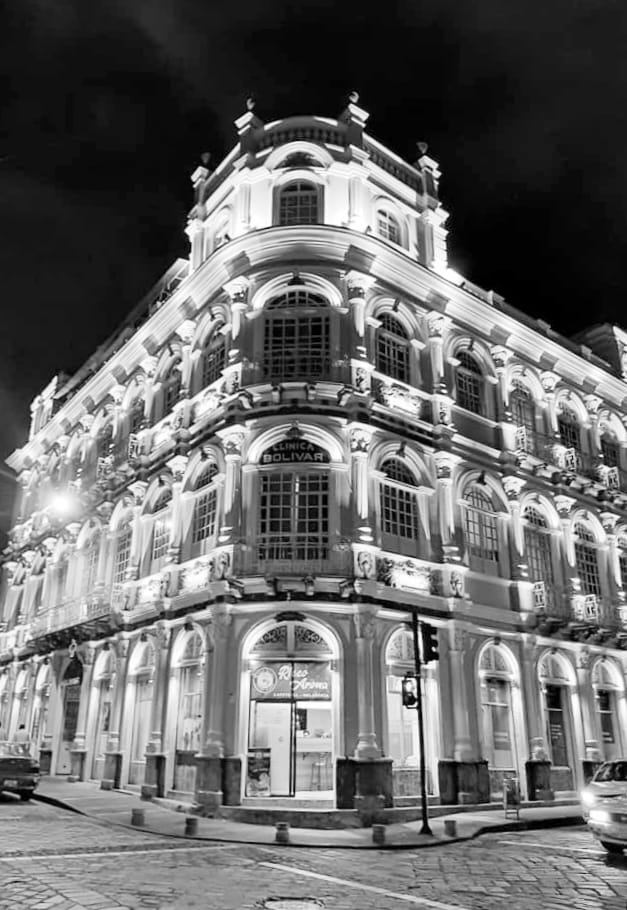
#26. BOLIVAR CLINIC. Calles Simon Bolivar y Juan Montalvo. Built in 1929.
This corner building was constructed by Manuel Felipe Ullauri for his family. It is very similar in materials, design and style to the Manuel Arce Torres House on the same street overlooking Parque Calderon.
After the owners death, the building was turned into a tenement house, a function it maintained for close to 50 years, and it also provided premises for the former Criminal Investigation Services.
The building was purchased by the Bolivar Clinic Foundation in 1982.
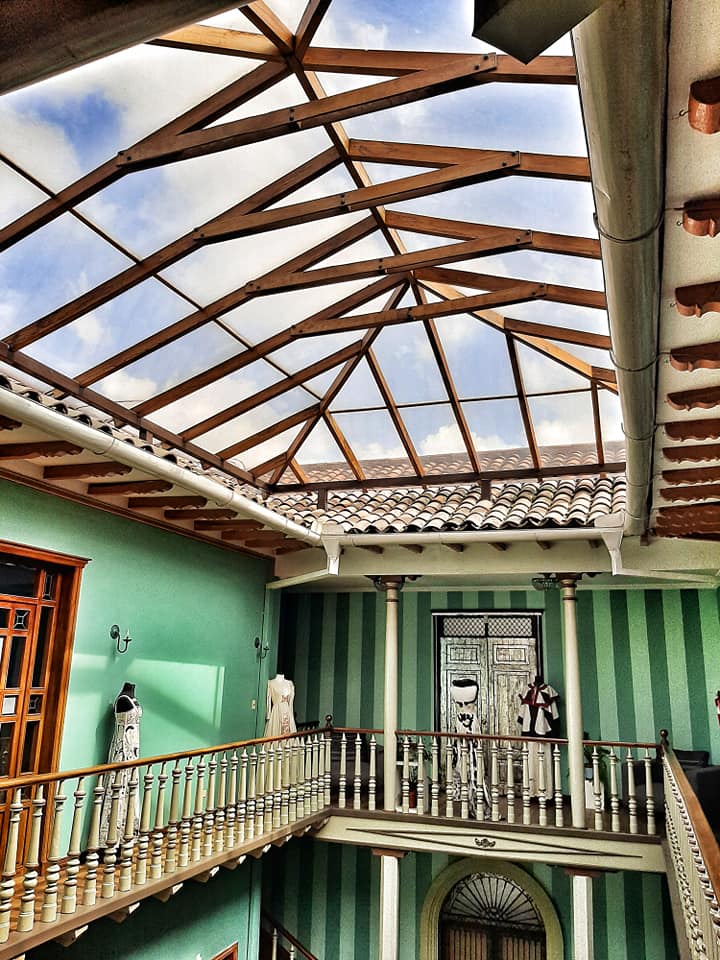
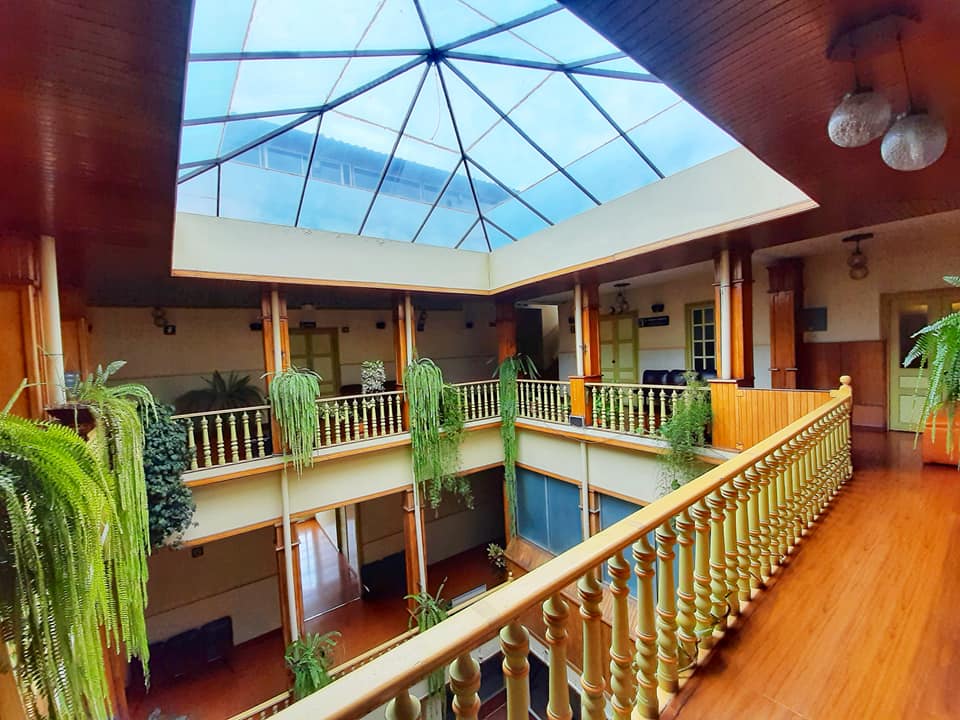
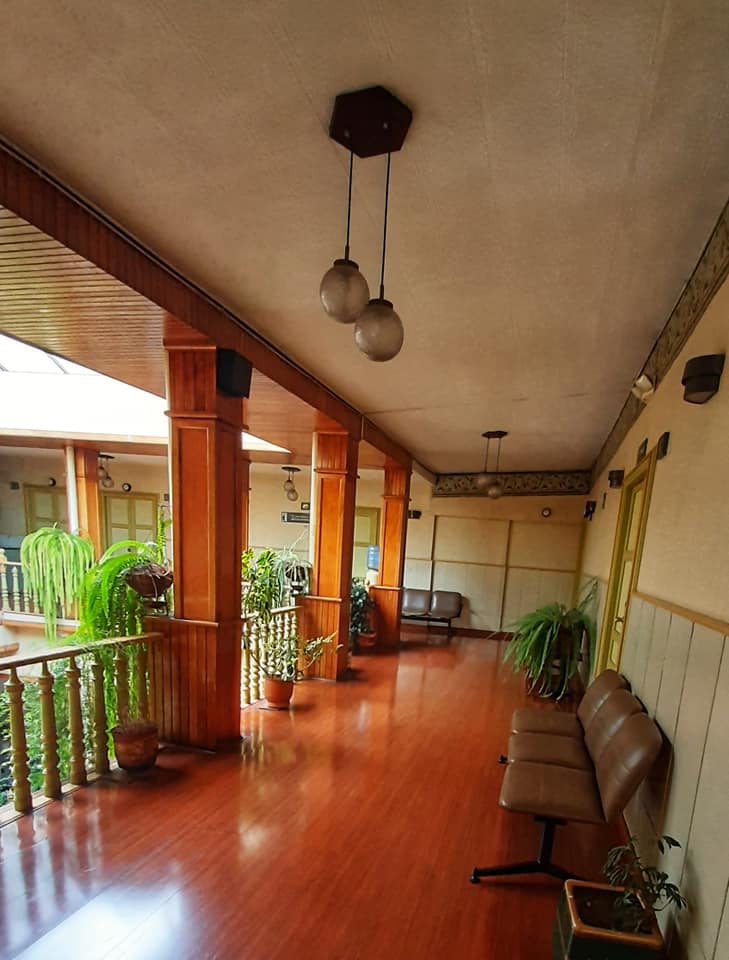
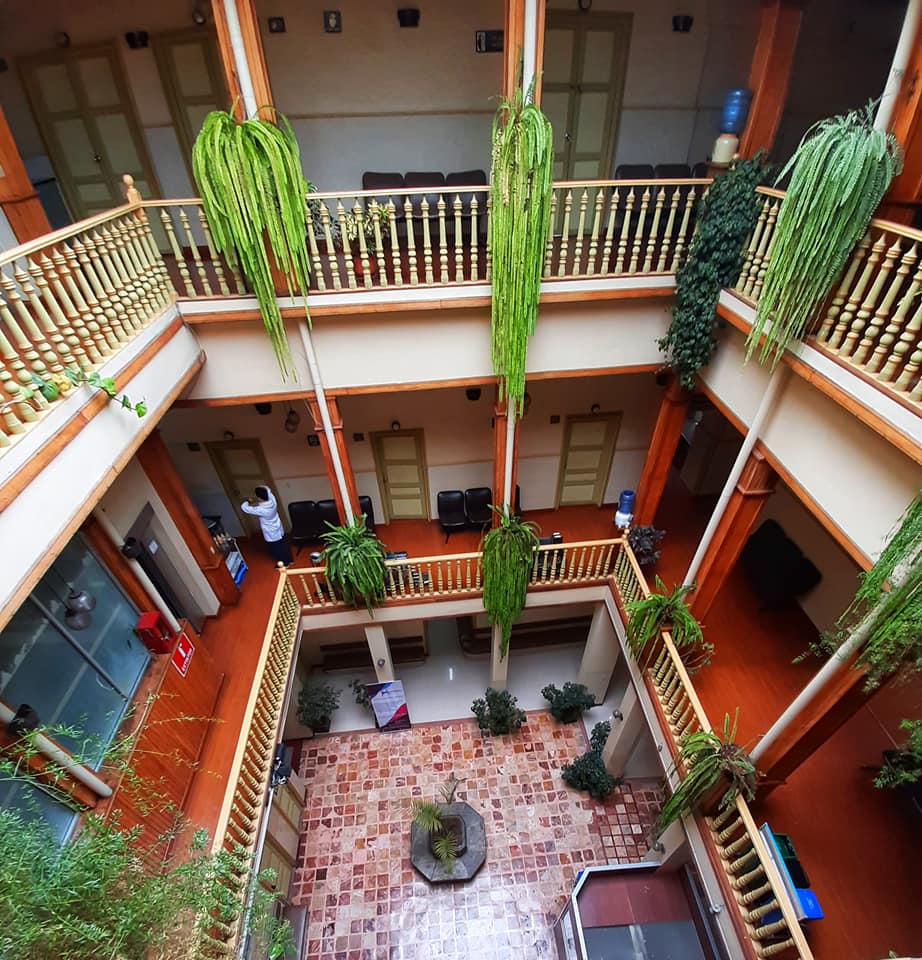
There is a central courtyard, with a glass roof, and also a rooftop auditorium.
Some of the window parapets are decorated with floral and plant motifs in the Louis XIV style.
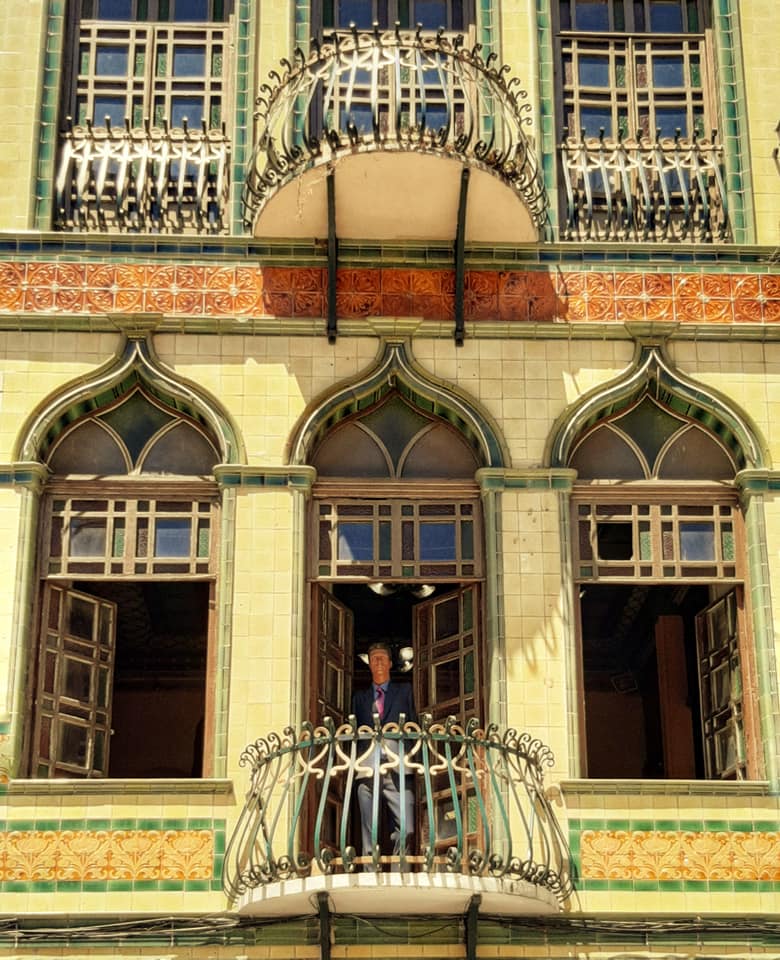
#25 CHINA BUILDING 9-52 Simon Bolivar. Built 1909-1913.
Who is that handsome man in the window? If you have ever taken the double-decker bus, or walked down the street on Simon Bolivar, you have probably seen a well dressed man on the balcony of this building.
“The China House” was the popular name given to this building as description of the facade, which is clad from top to bottom in pieces of china. These were probably a special commission from France, produced according to a specific quantity, shape, size and color to form a design for the complete facade.
The balconies, balustrades and other metal elements were imported from England and display the same Art Nouveau style as the facade.
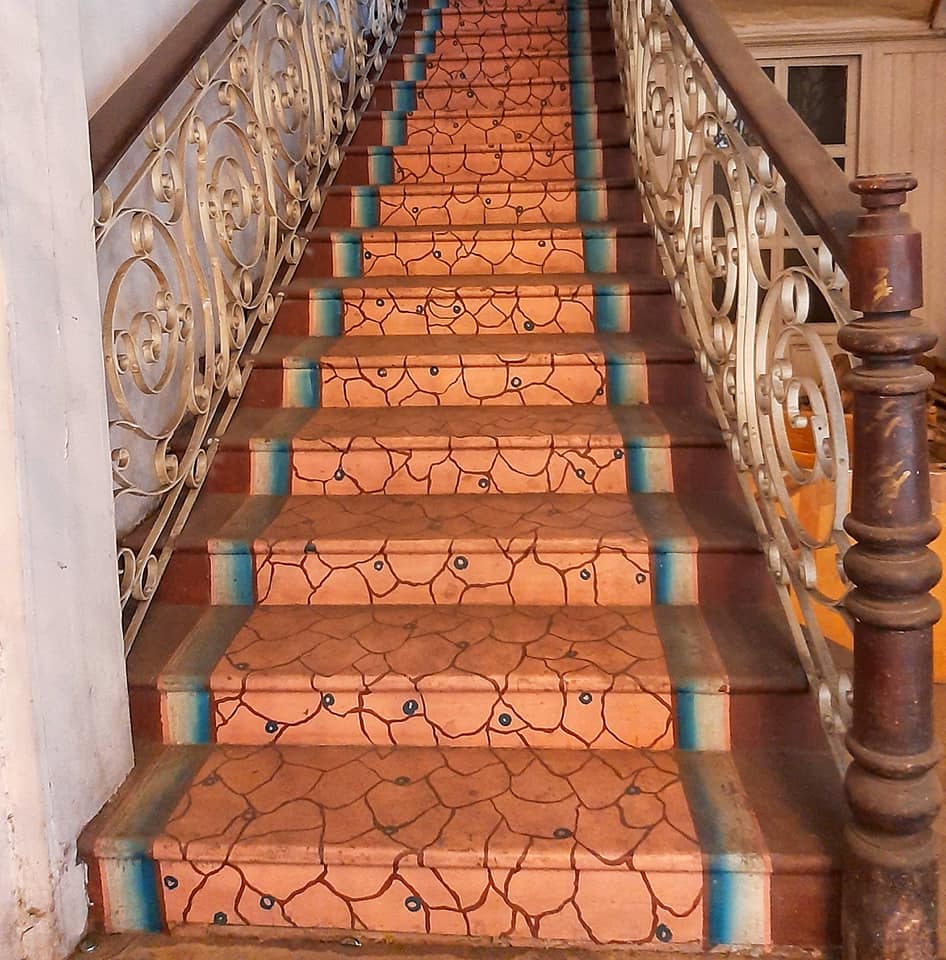
A handsome staircase leads to the second level.
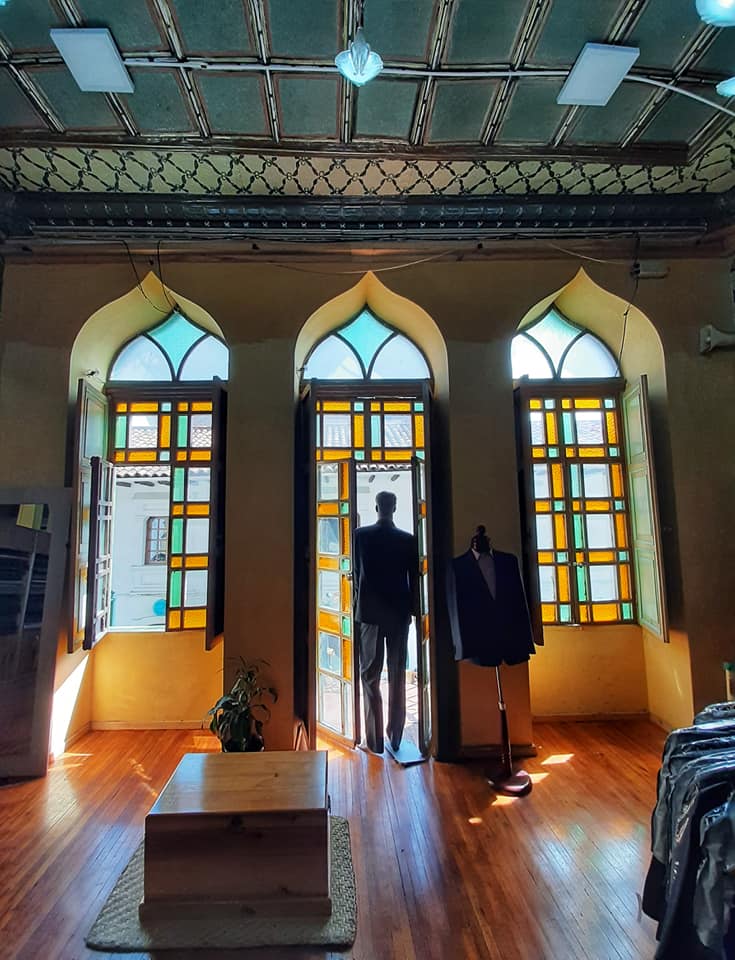
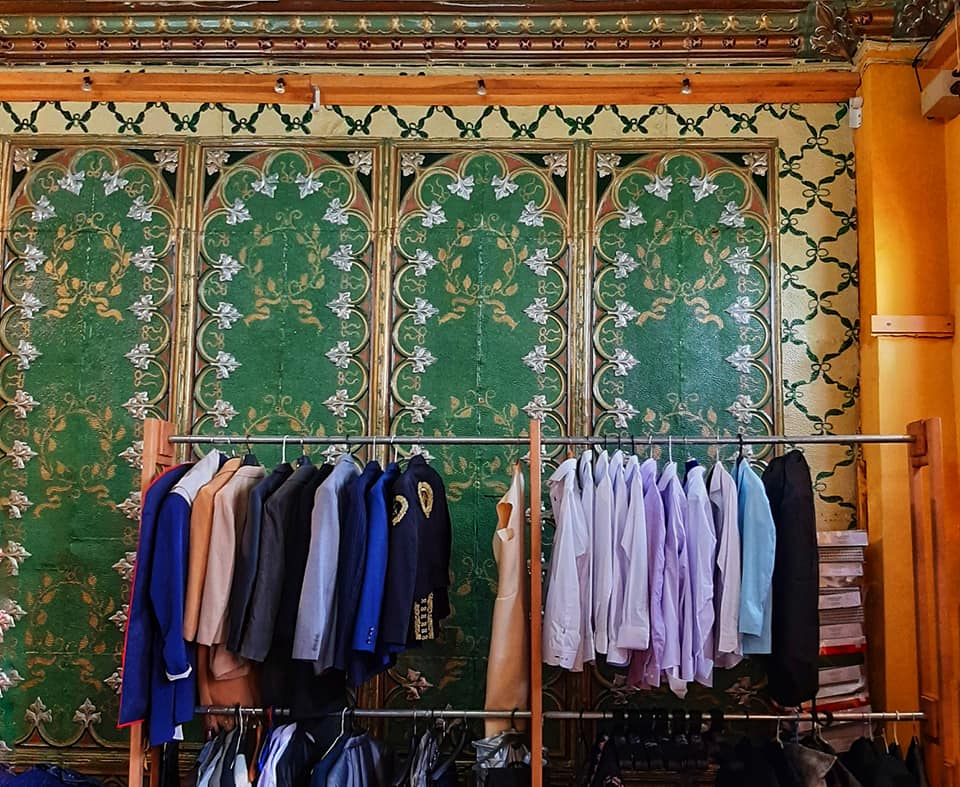
There he is! A mannequin stands in the window of the shop of David Anthony, a custom man’s suit tailor.
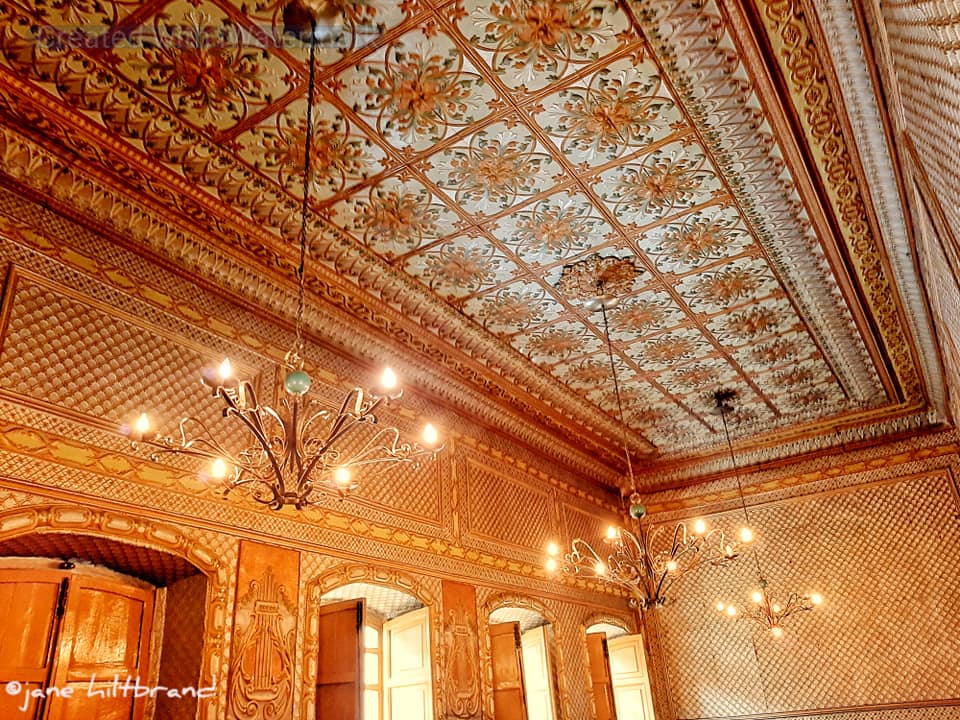
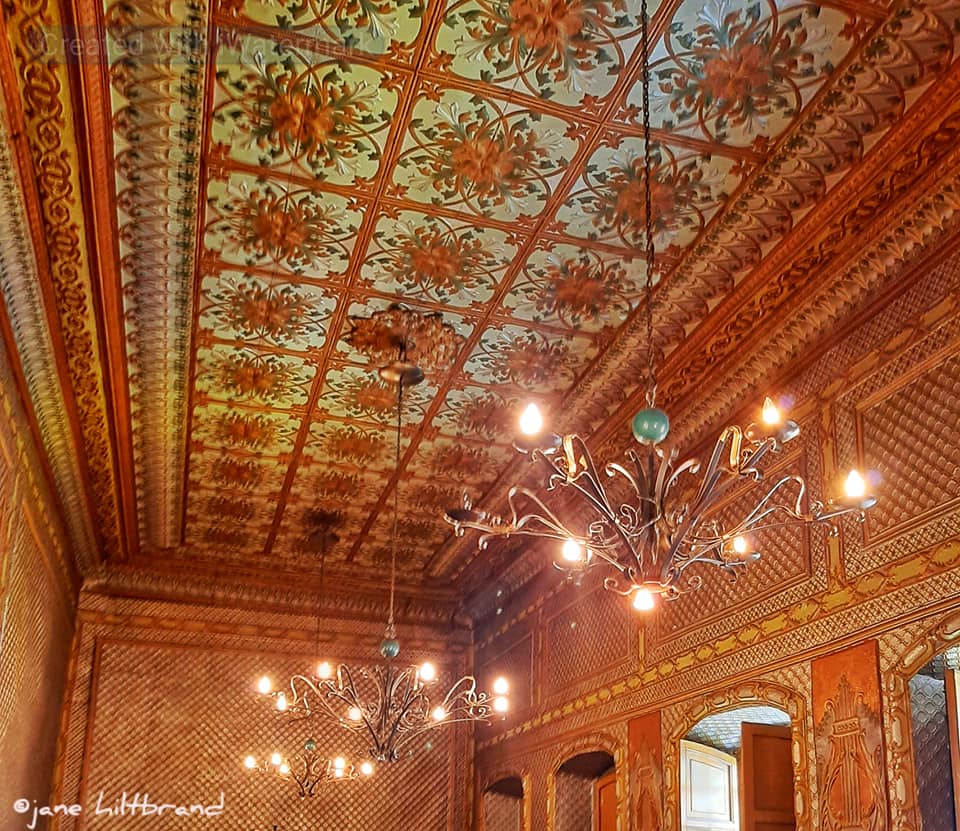
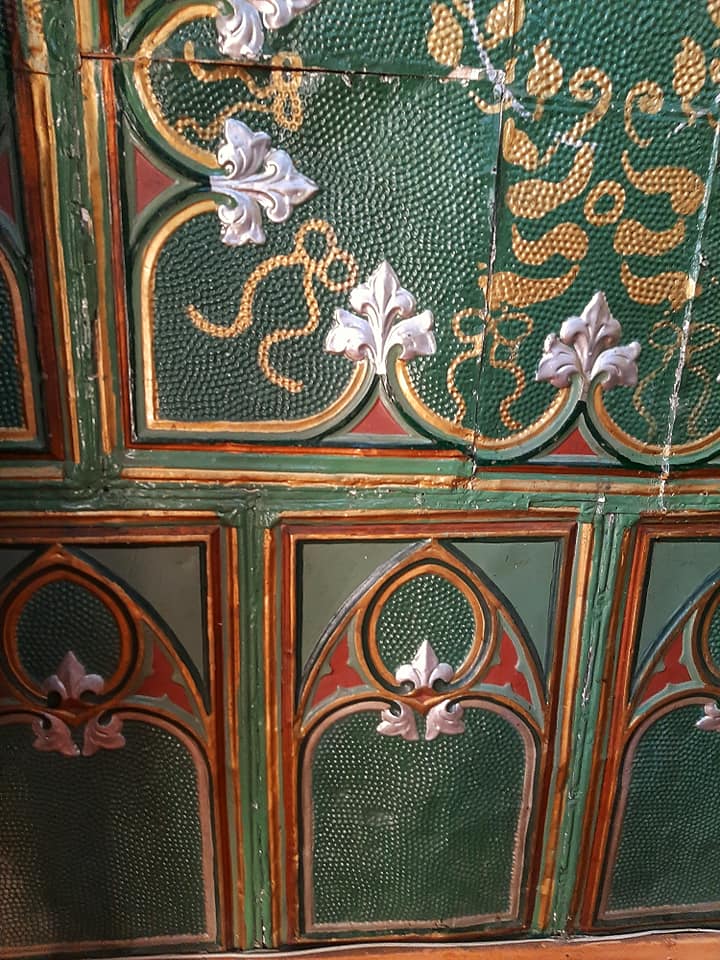
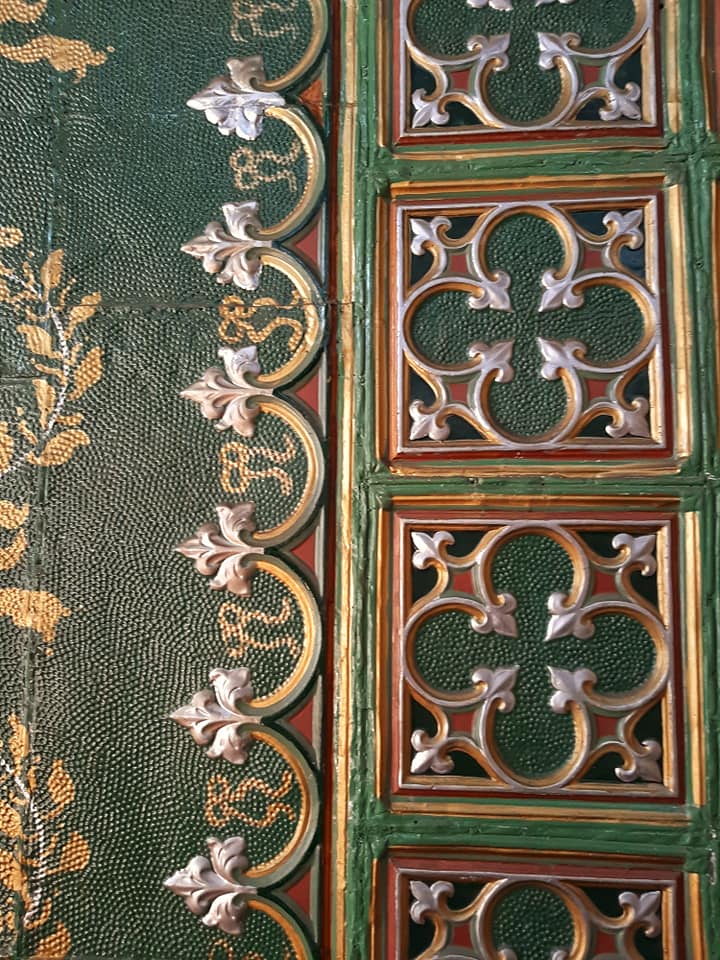
The entire shop is covered with polychrome brass on the ceilings and walls.
David Anthony can tailor make a man’s suit in five days! — David Anthony – Trajes para Hombre.
The emerald green and cream ceramic pieces have a polished finish, which has prevented their deterioration by the local weather conditions as well as the state of neglect into which the building fell for several decades while serving as a tenement house.
#23 ANTIGUA CASA DEL DOCTOR MANUEL ARCE TORRES Built 1898-1907. Corner of Benigno Malo and Simon Bolivar.
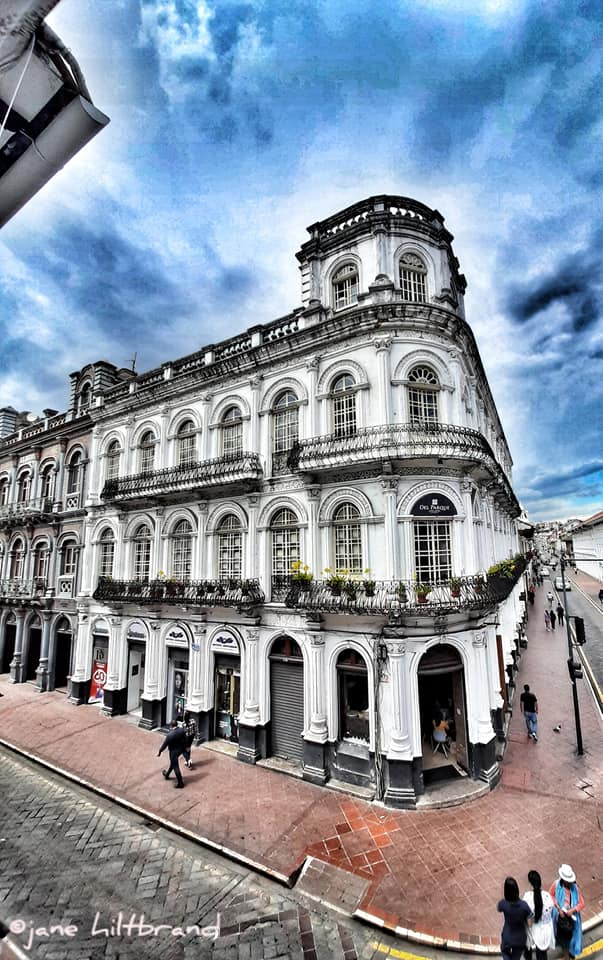
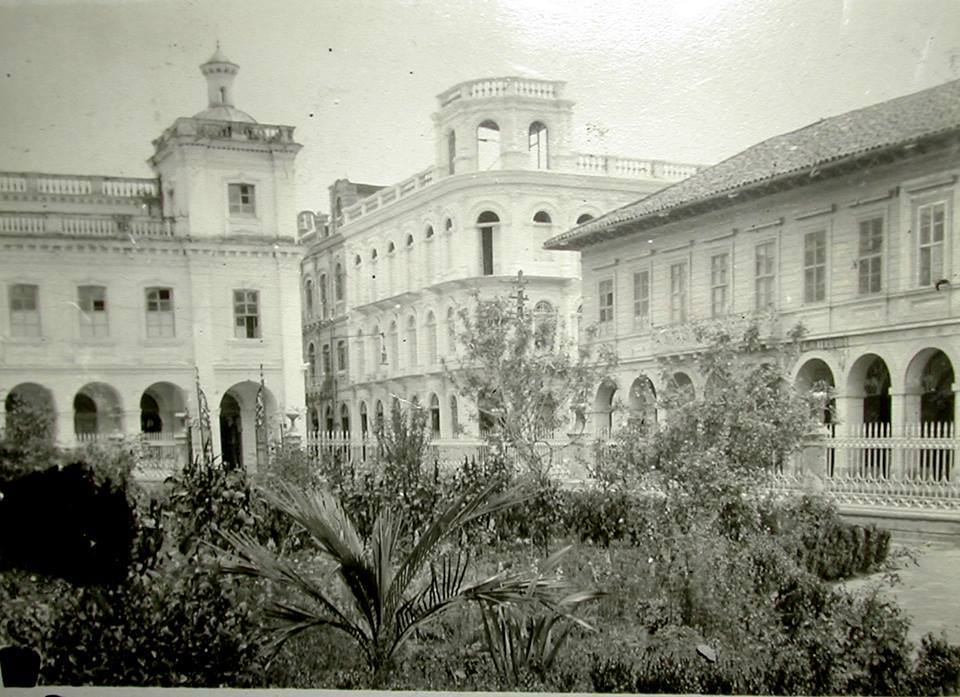
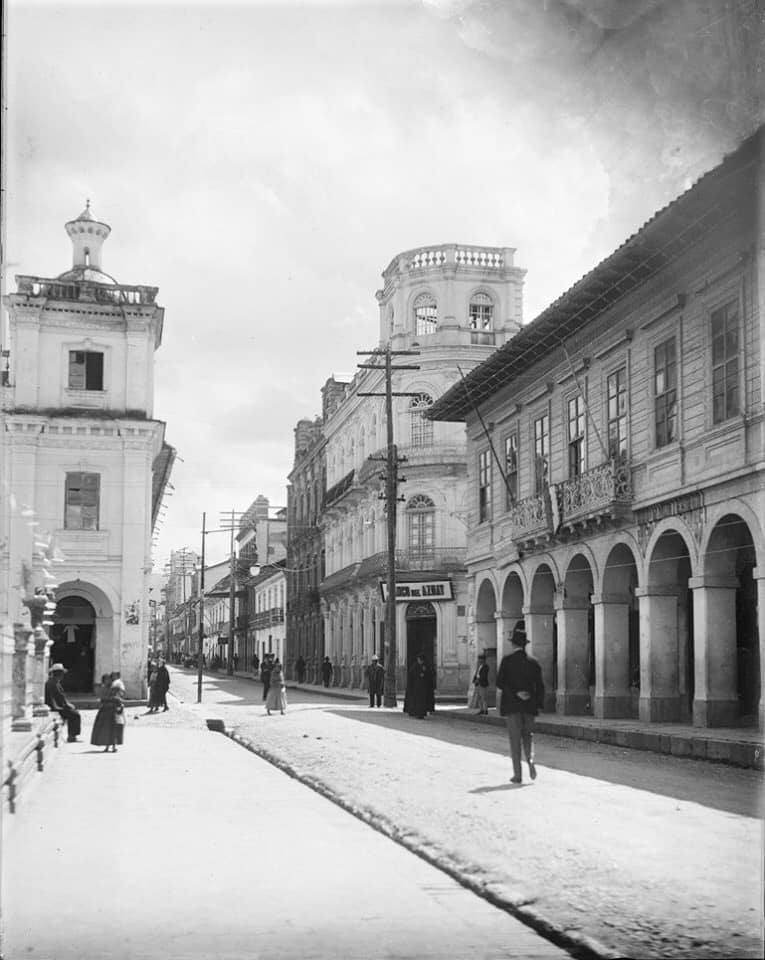
The French style facade of this building dominates the northwest corner of Calderón Square, displaying a design attributed to the German Redemptorist monk Juan Bautista Stiehle. The first owner, Manuel Arce Torres, who exported straw Panama hats, lived on the outskirts of the city in the El Vecino district, and conceived the building to accommodate living quarters for his family on the upper floors and commercial premises on the ground floor.
This imposing work of architecture testifies to the economic and cultural boom experienced in Cuenca at the beginning of the 20th century.
The building currently houses Del Parque Hotel and Suites on the upper levels, and several popular restaurants and stores on the street level.
photos from Del Parque Hotel and Suites website
A little further down Bolivar Street, the Bolivar Clinic displays formal characteristics very similar to those of this building.
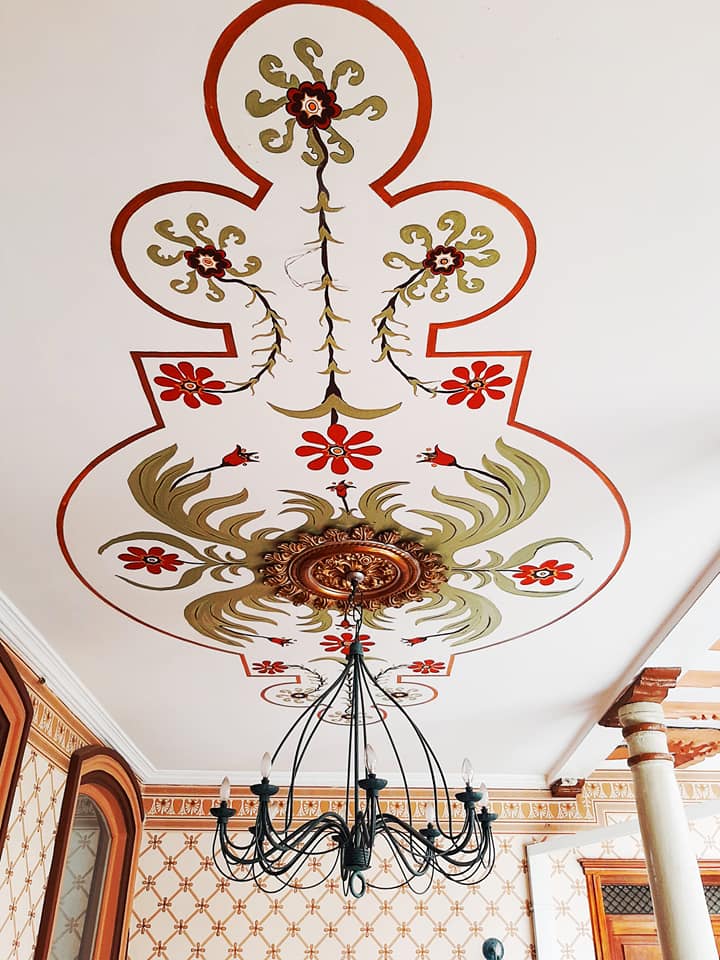
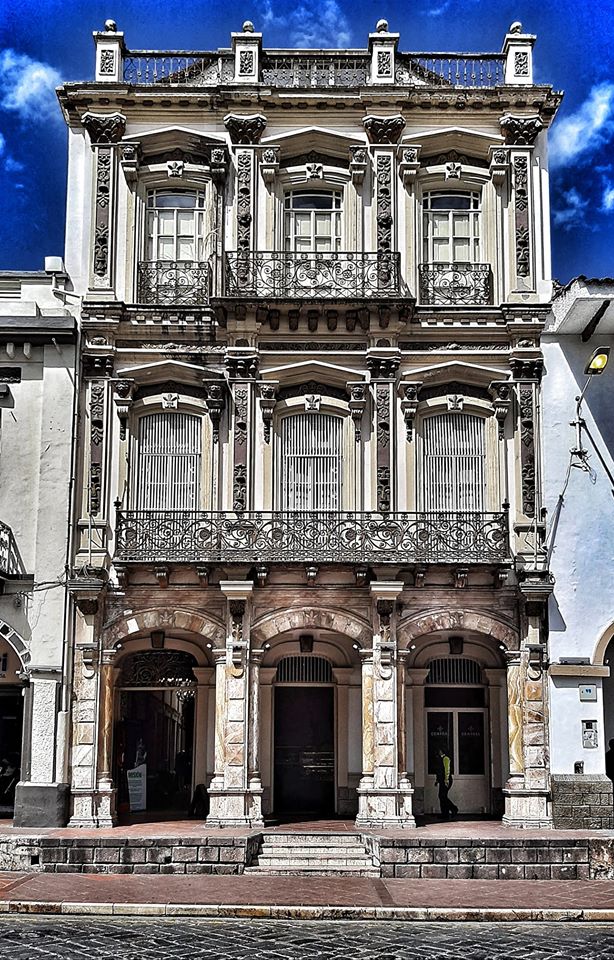
Built in 1910. This building with a marked French influence, was conceived by the French artist Giussepe Majon and supervised by Manuel Ordonez Mata, the owner. The stained glass windows were imported from Belgium and the polychrome brass for the ceilings came from France.
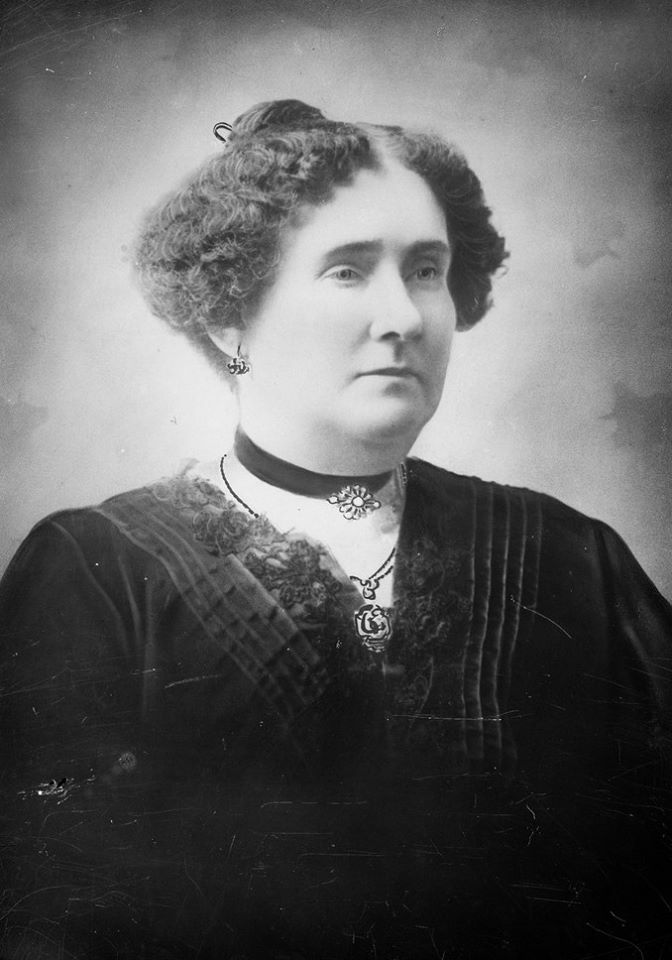
Hortensia Mata was a businesswoman and philanthropist who married the wealthy José Miguel Ordóñez Lazo, and together they were part of the political and economic power groups nationwide, in the late 19th and early 20th centuries. Sixteen children were born from this marriage and the family lived in this house previously known as the Casa Ordonez Jerves. Hortensia was known as the “First Lady of Cuenca” She and her family additionally owned the large magnificent yellow building on Luis Cordero, now called “Casa del Parque” across from Parque Calderon, and currently owned by the Eljuri family.
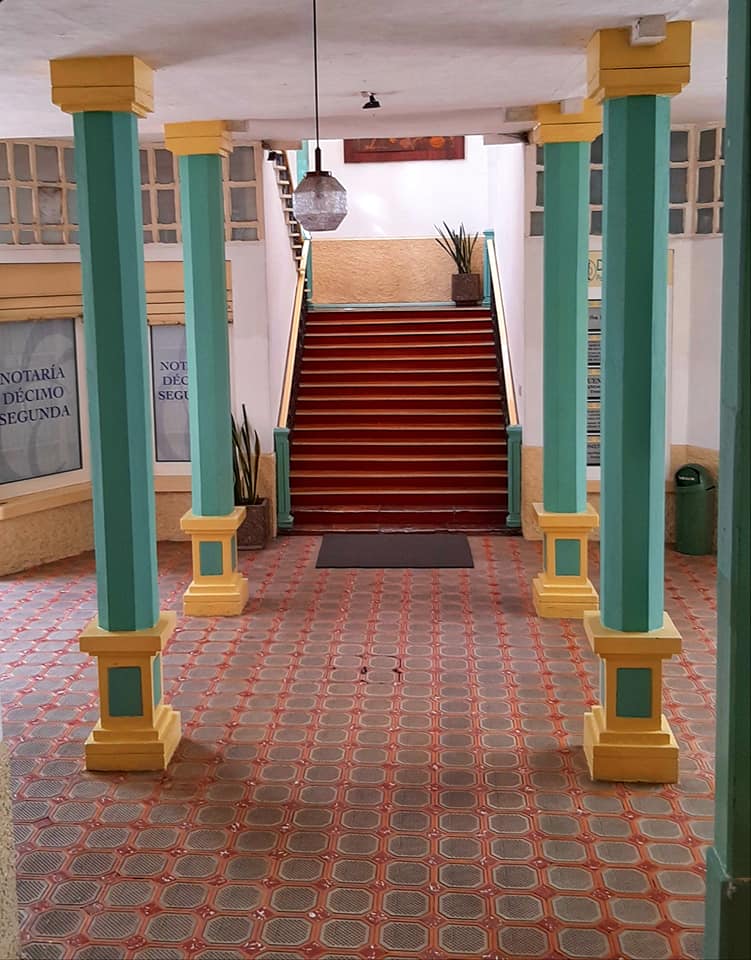
The first level coming back from Simon Bolivar now houses several stores and businesses. As with many buildings in Cuenca, the interior is much larger than it might seem to be from the street, as the buildings are quite deep – they extend back from the street for a considerable distance.
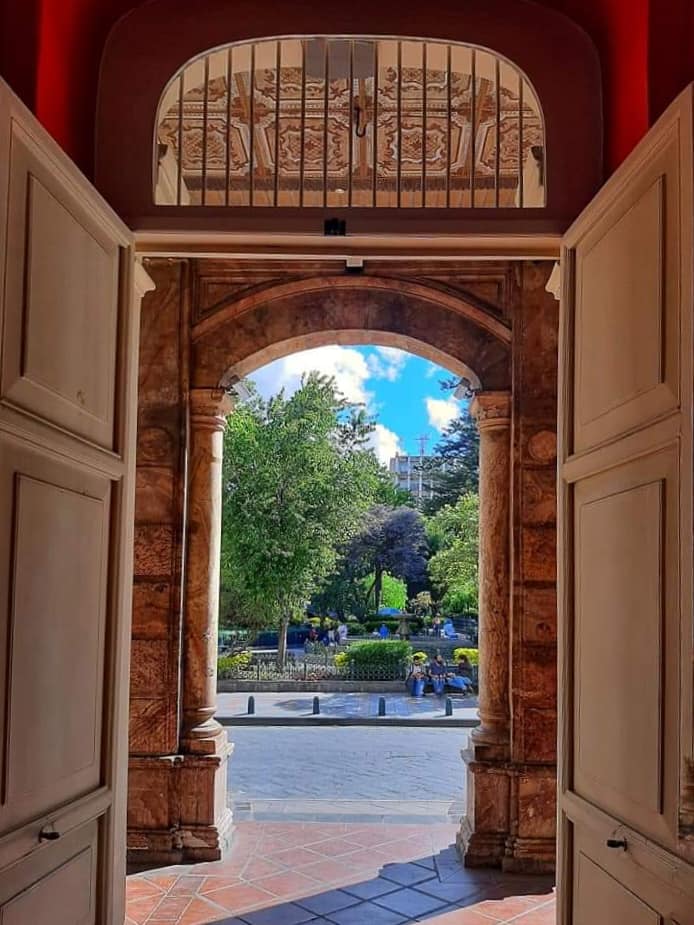
The front door looks out to Parque Calderon.
From the rear of the building, and up two more levels, the building is used mostly for office spaces.
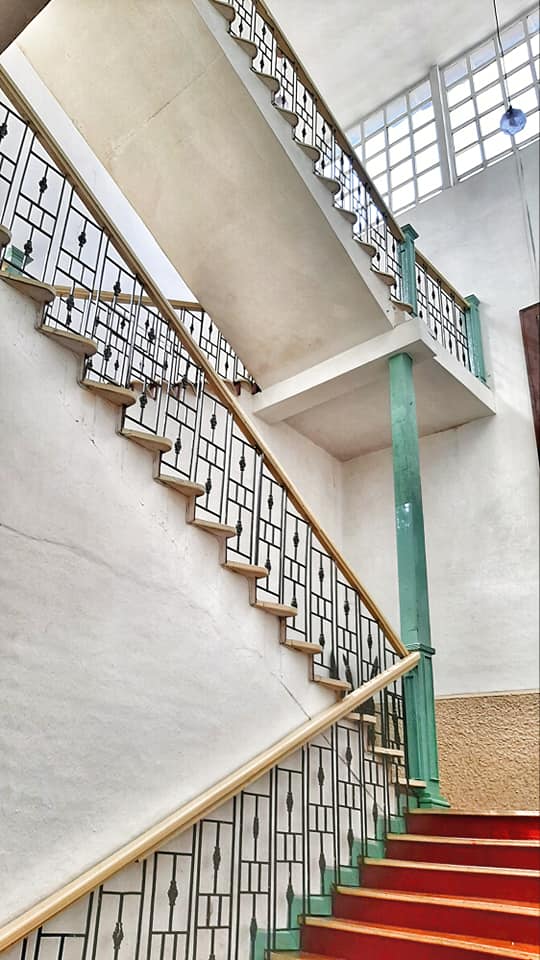
Grand old staircase.
The passage is from Simon Bolivar, back, and then in an L shape, out to Luis Cordero Street.
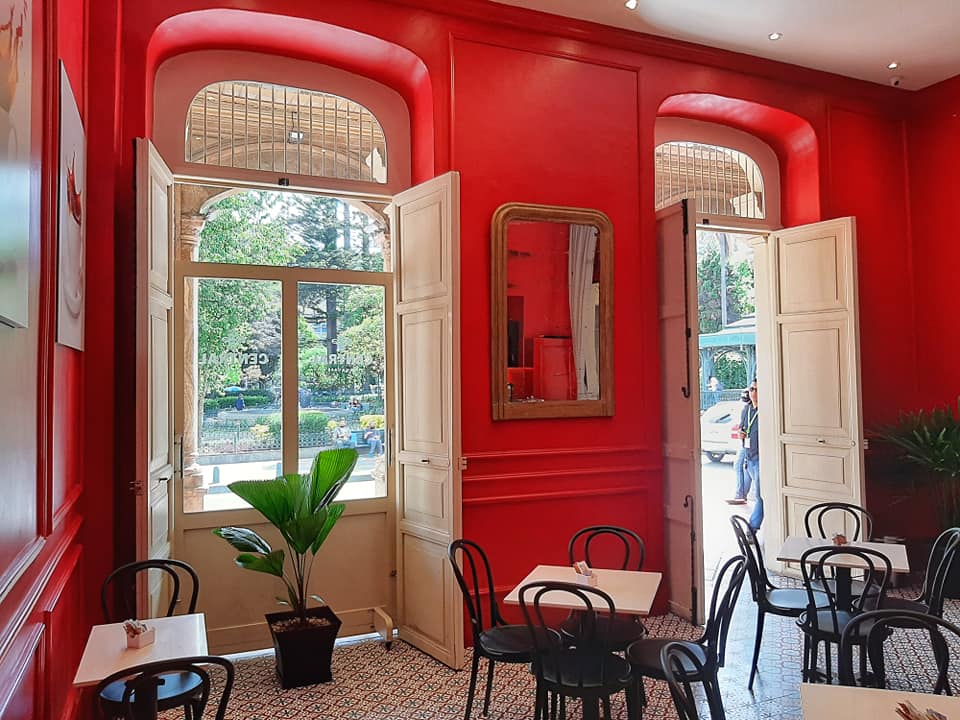
In the front of the building there is a charming coffee house.
#21 SAN LUIS SEMINARY Benigno Malo y Simon Bolivar
Photo from 1920 San Luis Seminario with the celebration of the first century of the Independence of Cuenca.
The first seminary in Cuenca was founded in September 1813. In addition to theology, law and medicine were taught. The funds for its operation were provided by a tax on cacao exports.
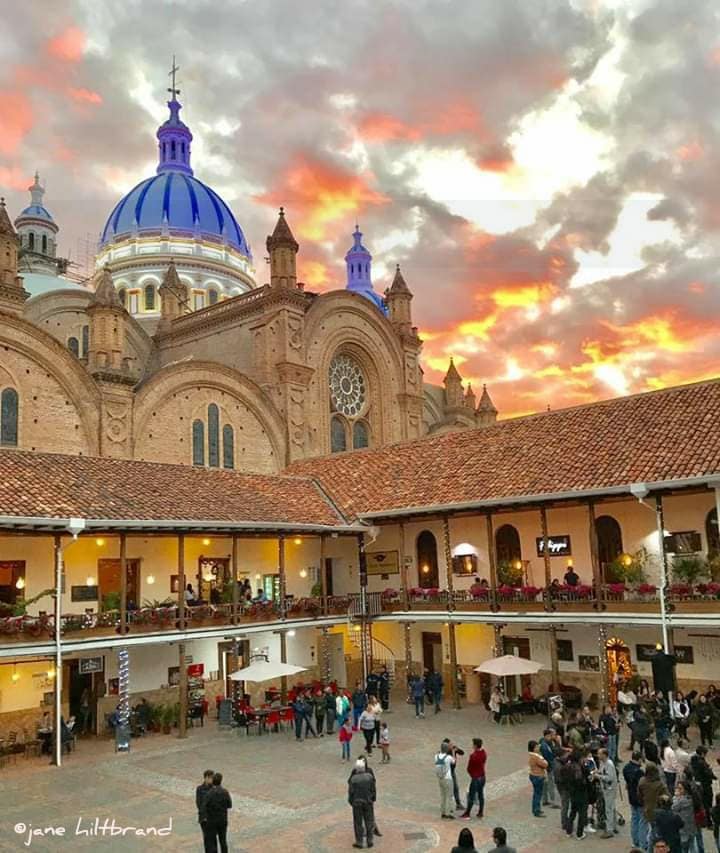
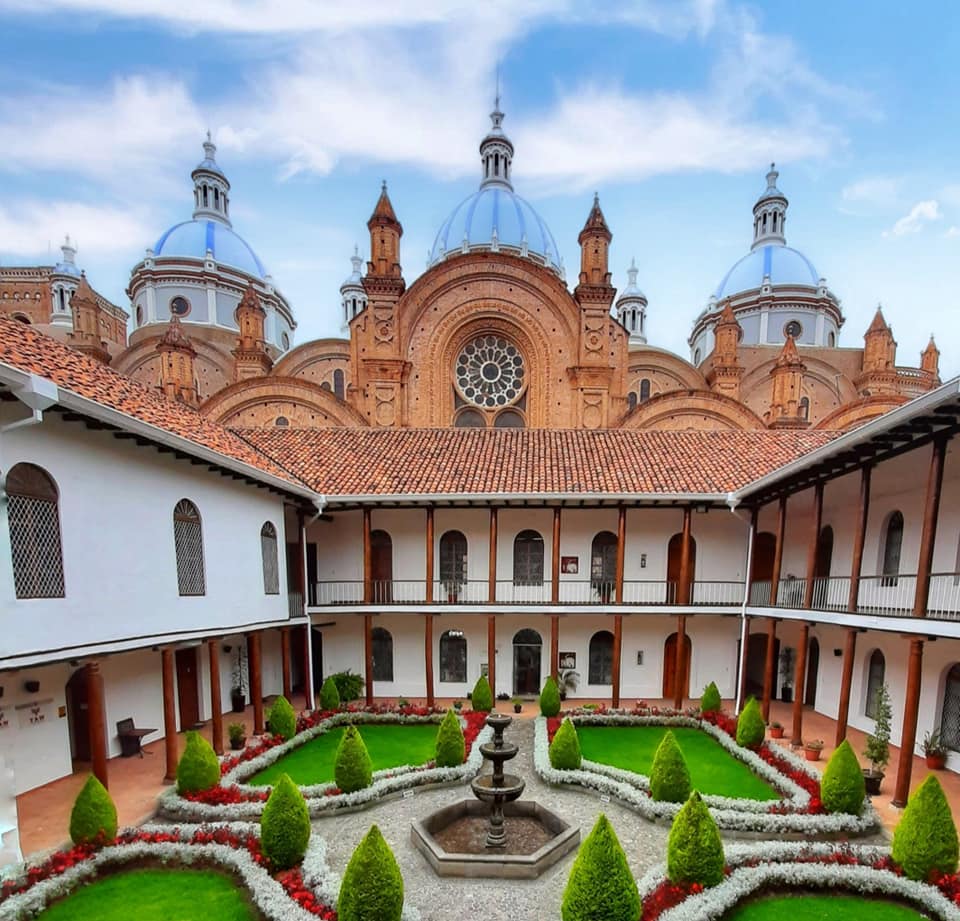
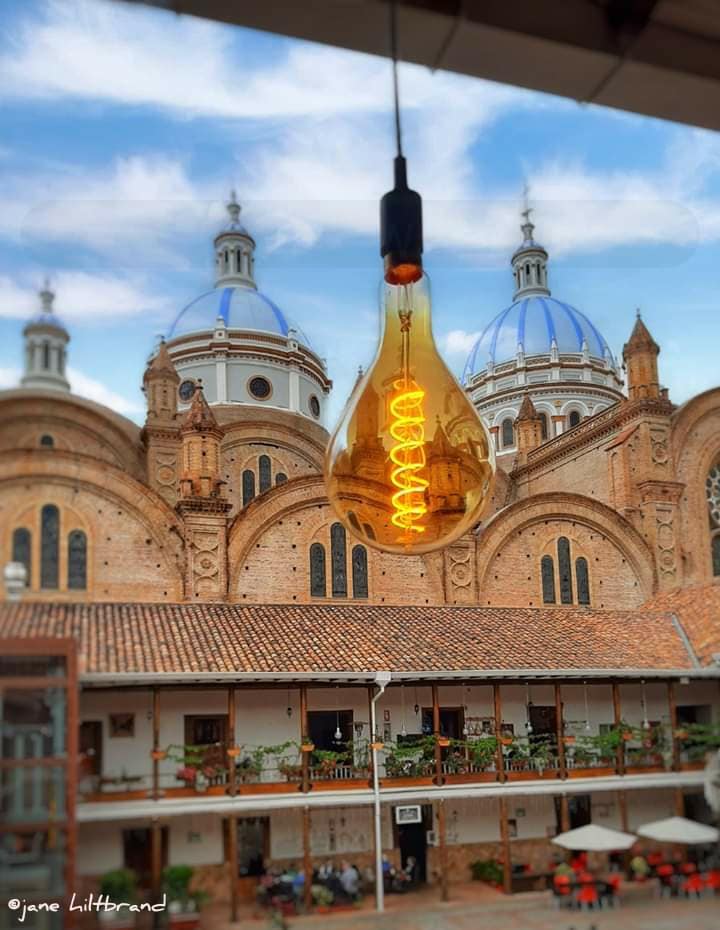
Inside the seminary building there is an impressive view of the domes of the Cathedral of the Immaculate Conception (the New Cathedral)
The inside of the seminary courtyard was opened to the public in 2017 after a long restoration process. It is a lovely space to enjoy a meal, or music. There are several ferias held in the courtyard throughout the year.
The second courtyard can be accessed from several of the restaurants, and from Santa Ana Street. The building is composed mainly of adobe walls and solid bricks.
There is now a good selection of very popular restaurants, coffee shops, stores, and an ice cream parlor inside the renovated San Luis Seminary.
There is a chapel inside the Seminary.
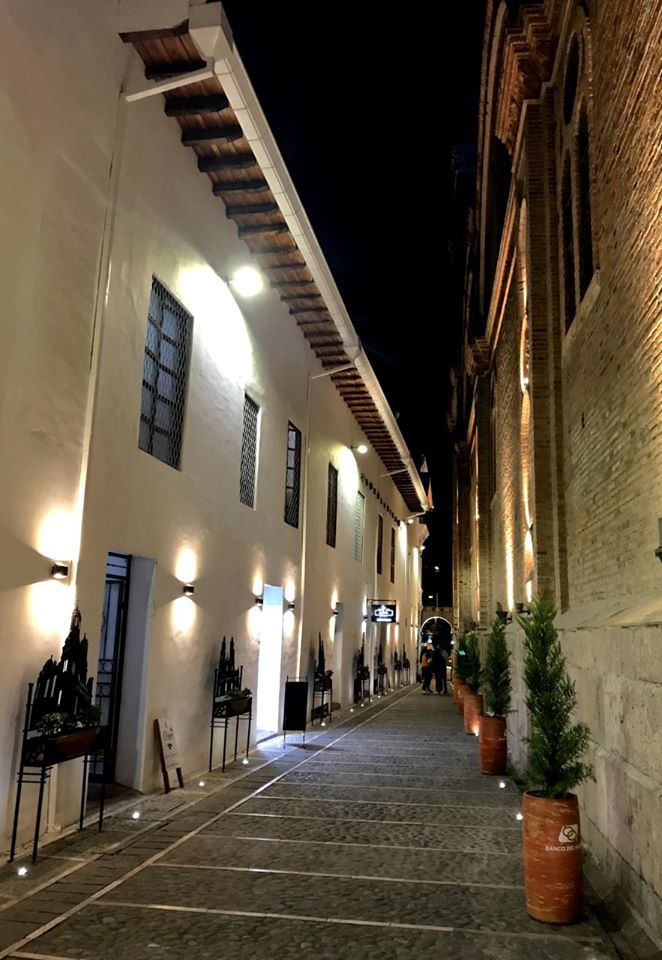
Santa Ana Street runs between the New Cathedral and San Luis Seminary. It is said to be one of the oldest streets in Cuenca.
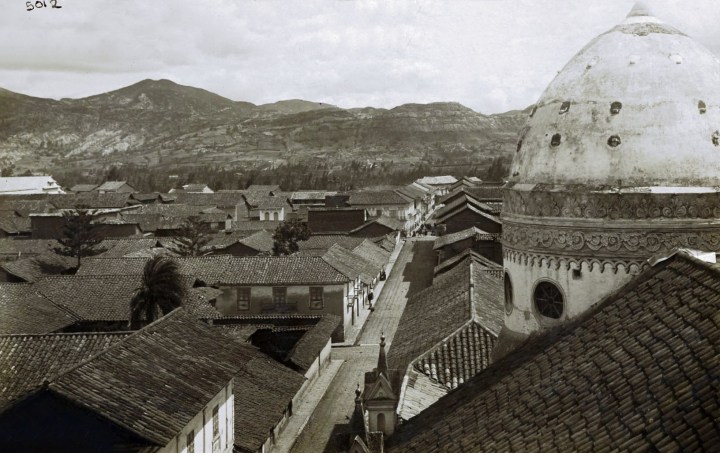
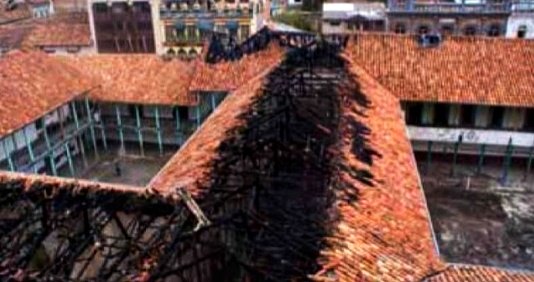
Photo #1 Seminary in 1910. The New Cathedral is under construction to the left. Photo #2 San Luis Seminary Roof, after the fire August 2012. Investigators said the fire was the result of fireworks from a Parque Calderon celebration. The fire destroyed the central part of the roof, as well as an interior chapel that contained wall murals which had recently been restored. A large restoration project began after the fire. Many parts of the seminary were not being used prior to that.
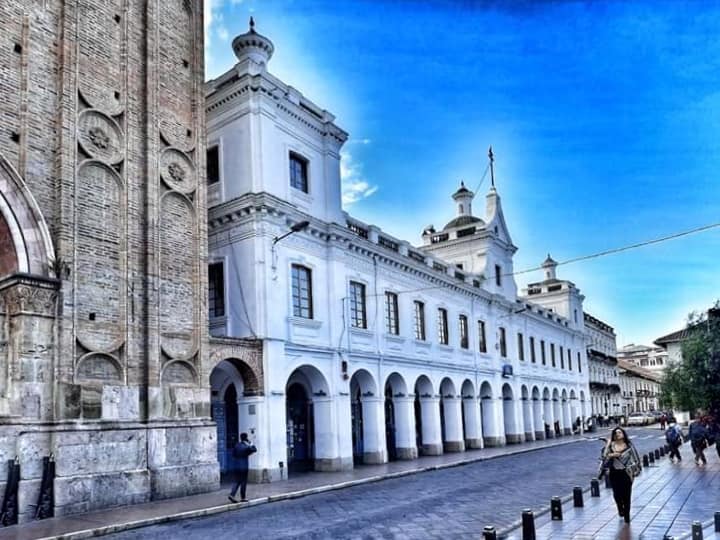
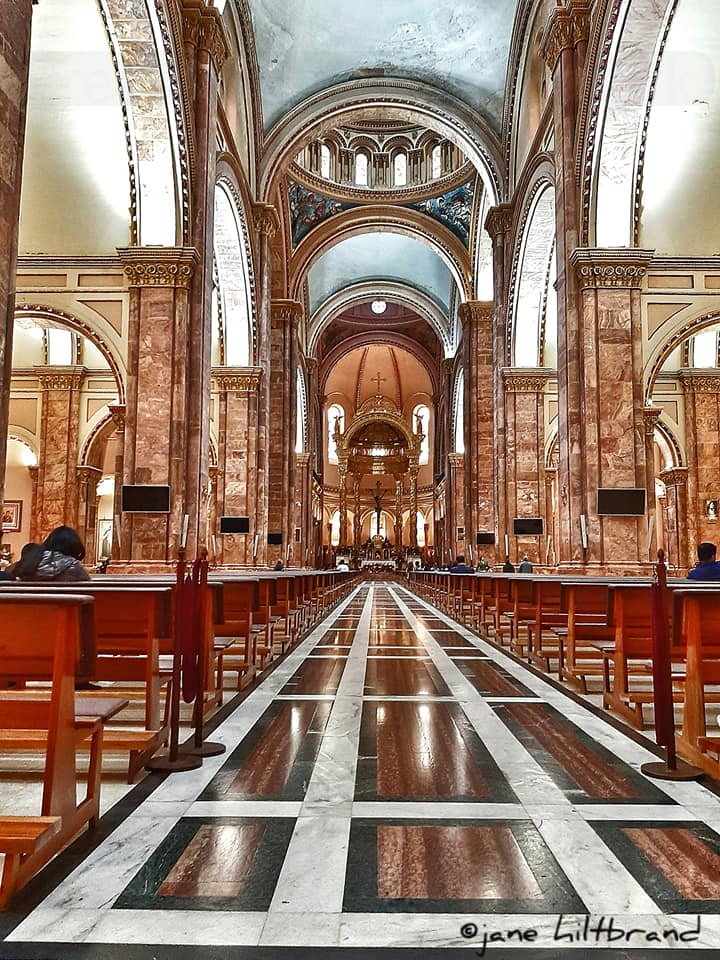
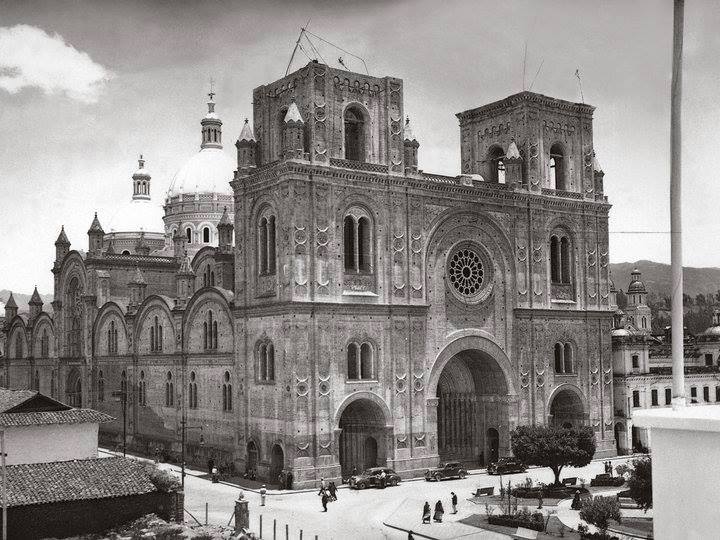
#20 NEW CATHEDRAL, CATHEDRAL OF THE IMMACULATE CONCEPTION Beningno Malo and Sucre. Built 1885-1968
Designed by the German Redemptorist monk Brother Juan Buatista Stiehle, who worked on it from 1885 until his death in 1899. The Bishop Miguel Leon wanted to build a cathedral “as large as the faith” of the people of Cuenca. When the Cathedral was first constructed 9,000 out of Cuenca’s 10,000 inhabitants could fit in the building. The cathedral took almost 100 years to build.
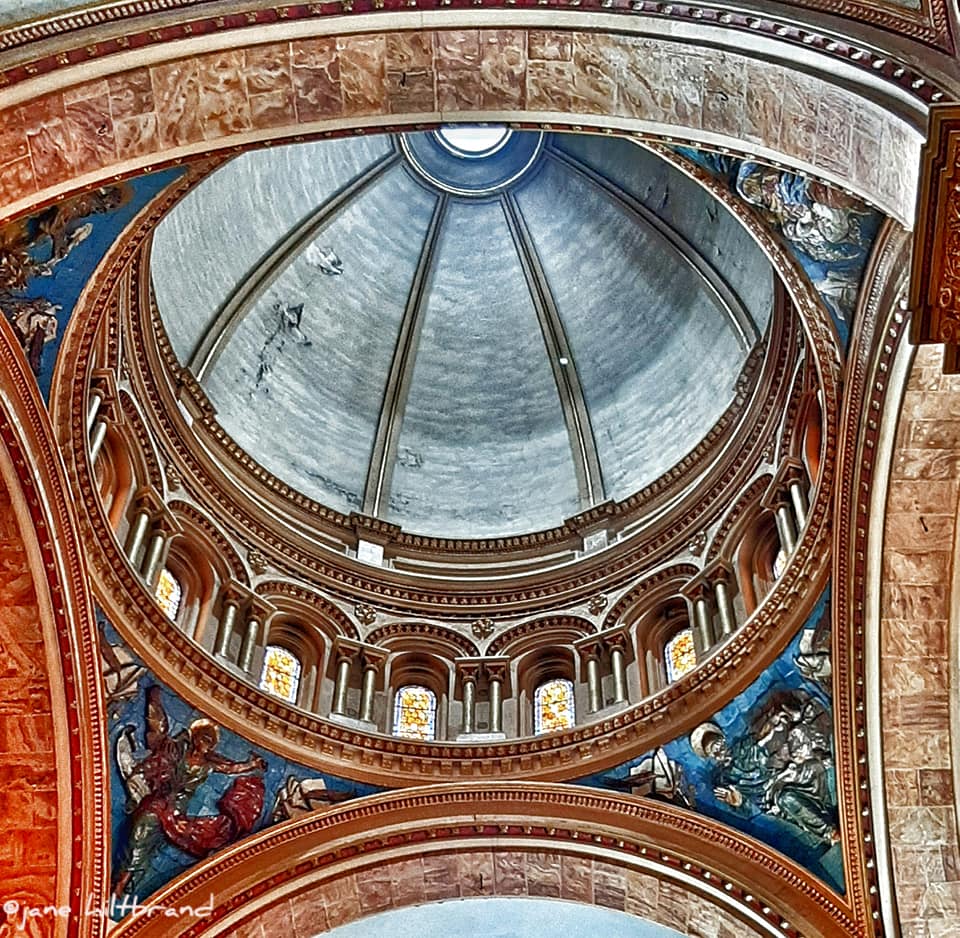
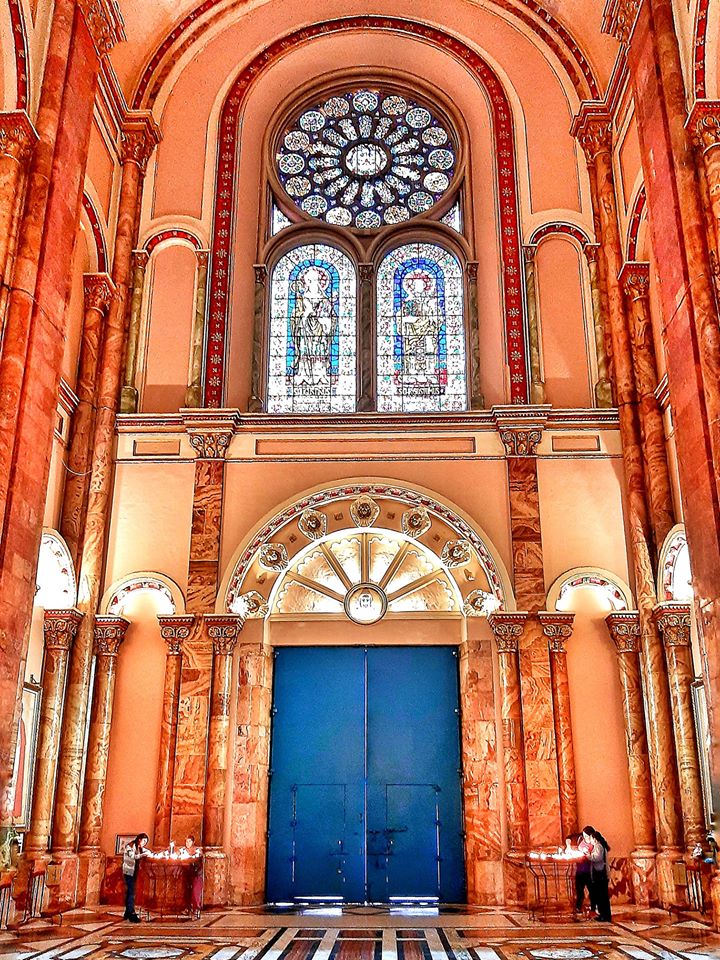
The cathedral has an overall eclecticism, as it displays a harmonious blend of styles including Romanesque, Gothic, and Renaissance styles. The floor is made of Carrara marble. The stained glass windows are of various sources, from Germany, and Belgium. And additionally some were made in Cuenca by the Spanish artist Guillermo Larrazabal.
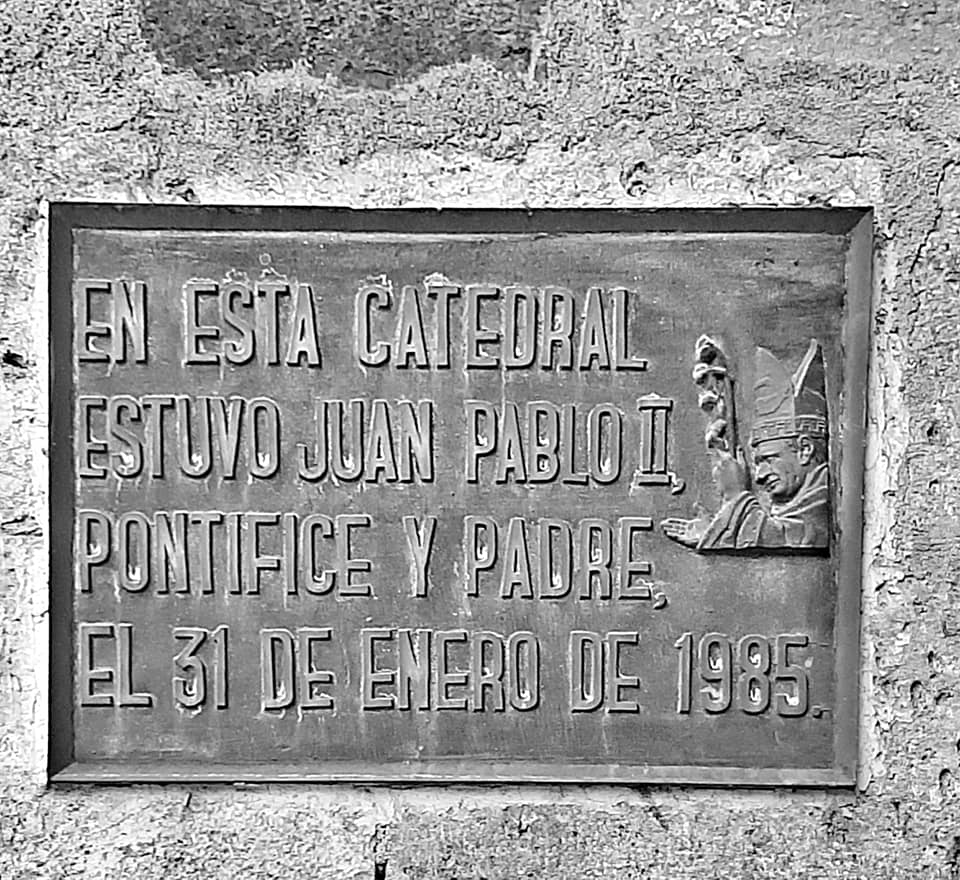
A statue of Pope John Paul ll is in the cathedral. Pope John Paul ll, visited the cathedral in 1985.
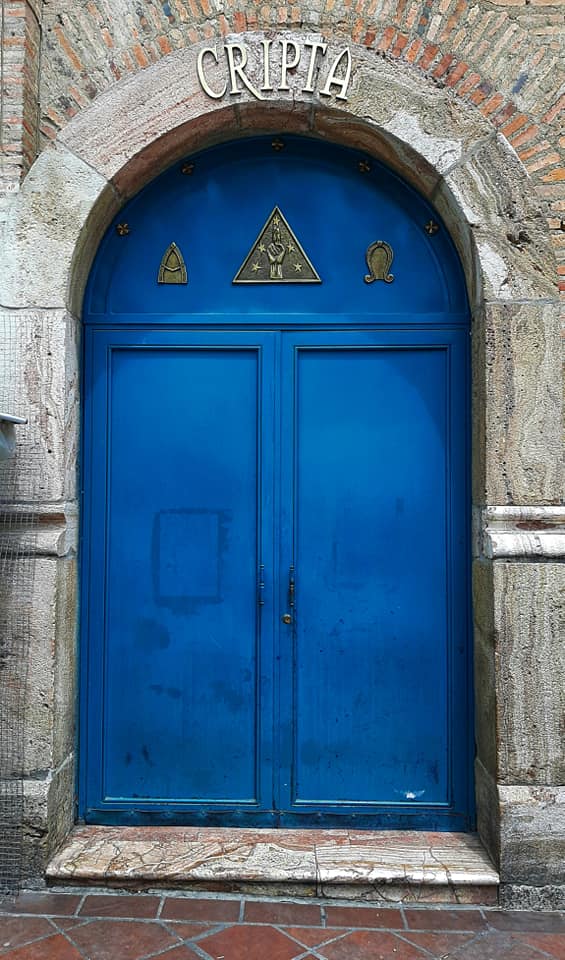
In the Crypt are buried some of the illustrious figures of the city of Cuenca such as: Remigio Crespo Toral, Gral. Antonio Vega, Fray Vicente Solano; as well as the bishops of the city: Miguel León, Manuel María Política, Daniel Hermida, Monsignor Manuel Serrano Abad; and the builder of the cathedral: Luis Antonio Chicaiza.
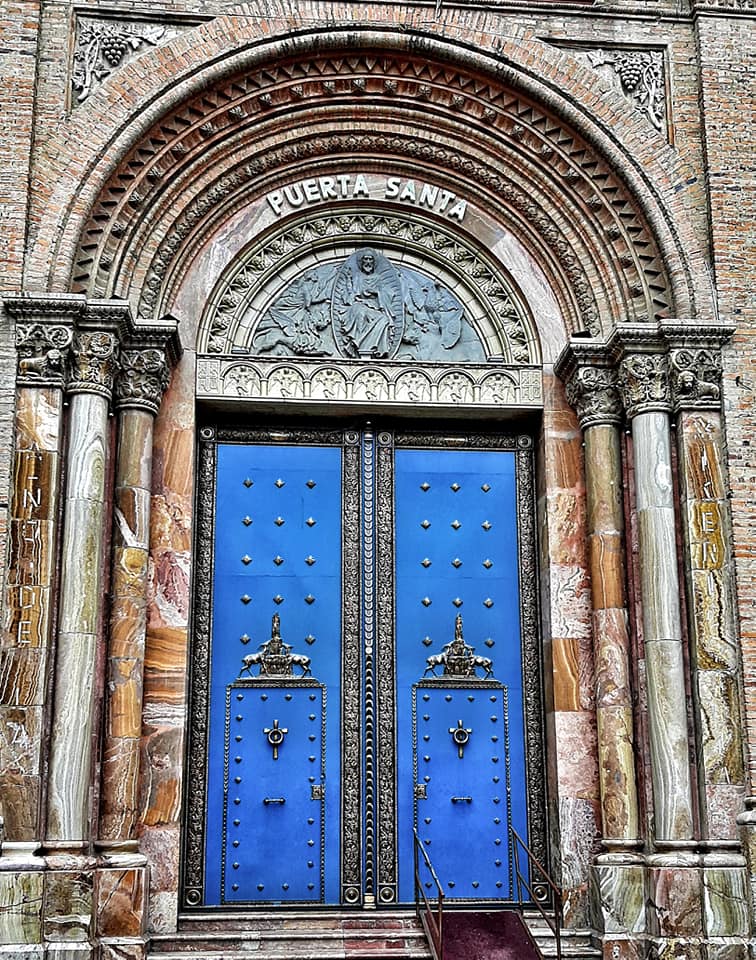
The doors of the Cathedral are often a backdrop for photos
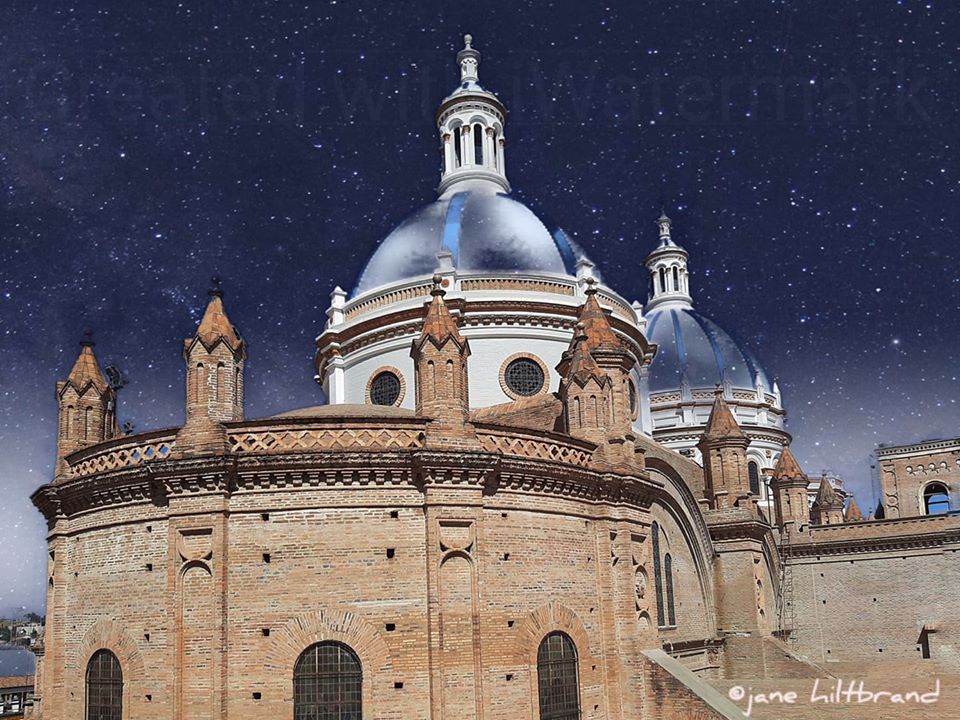
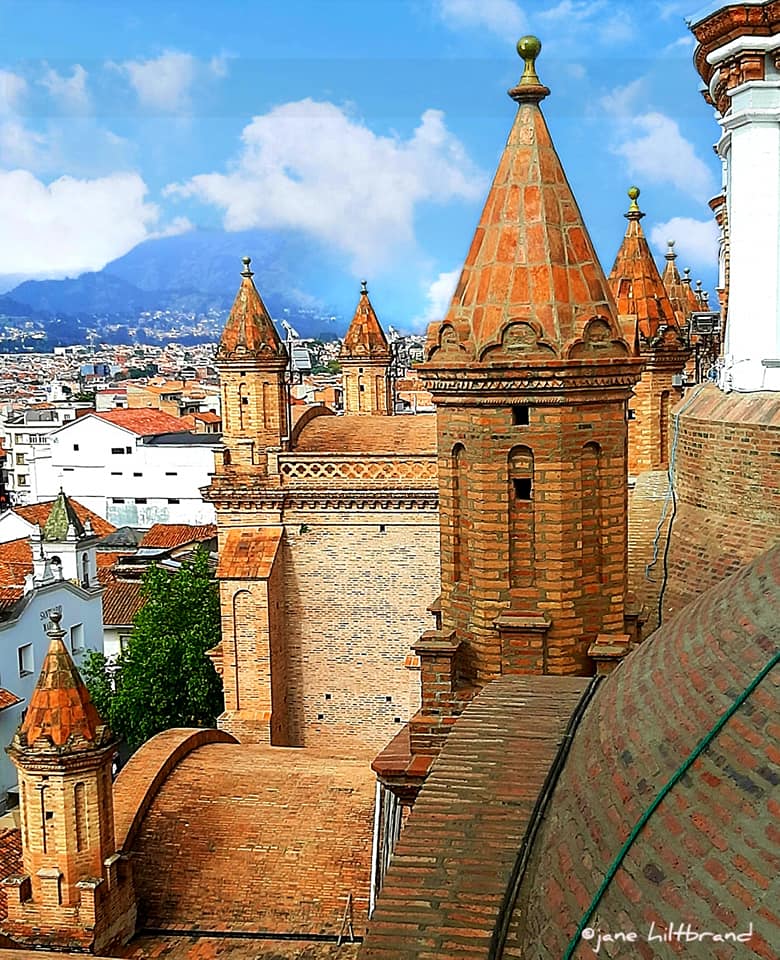
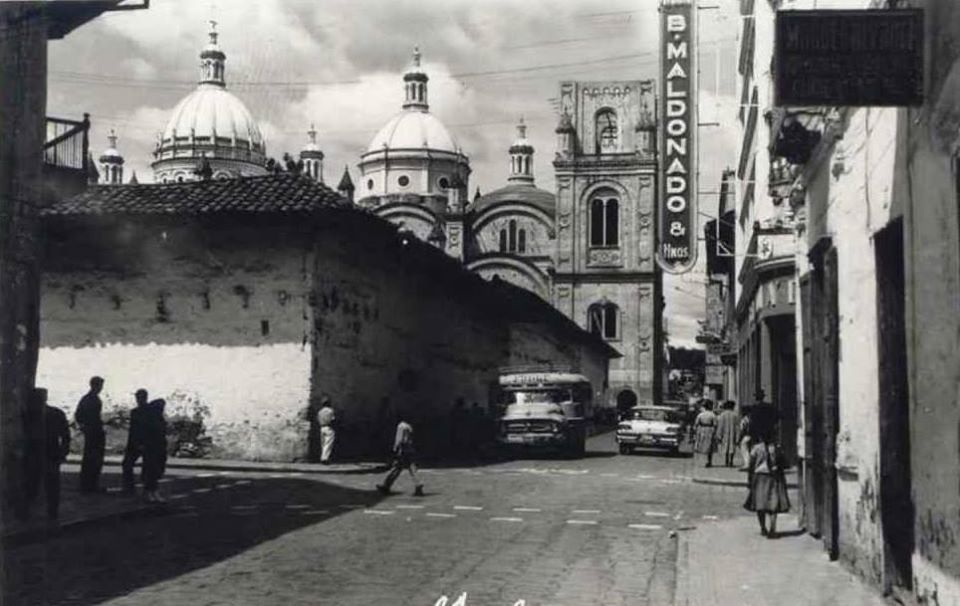
Above the rose window, on the roof, is a statue of Saint Anne, patron saint of the city, with the Virgin Mary as child. The famous three giant domes are covered by striking blue and white glazed tile from Czechoslovakia.
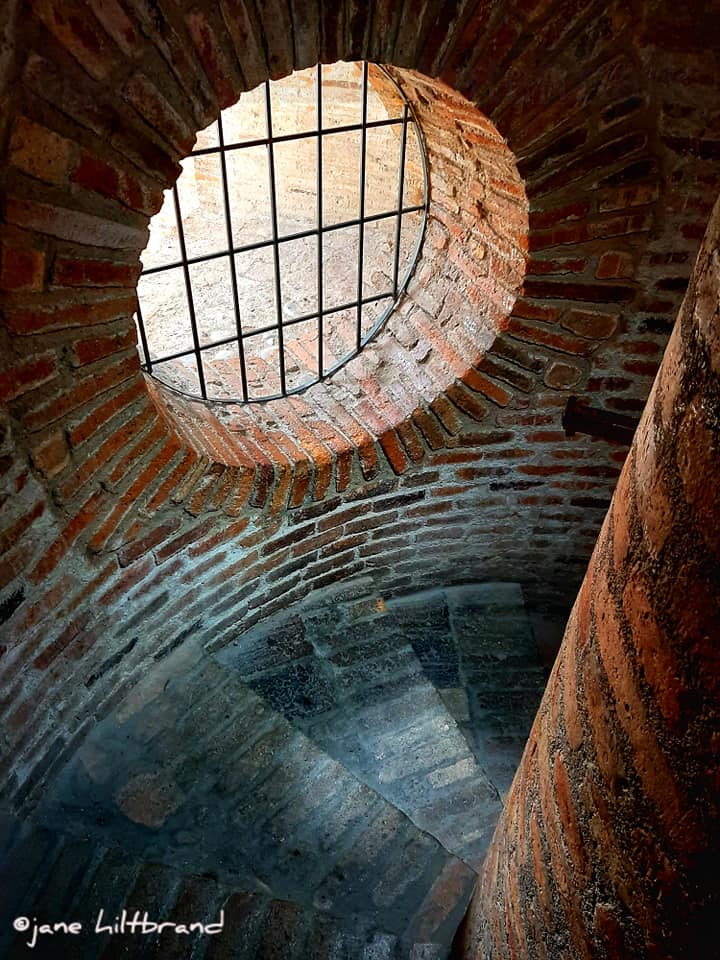
Spiral staircase to the roof – 154 steps.
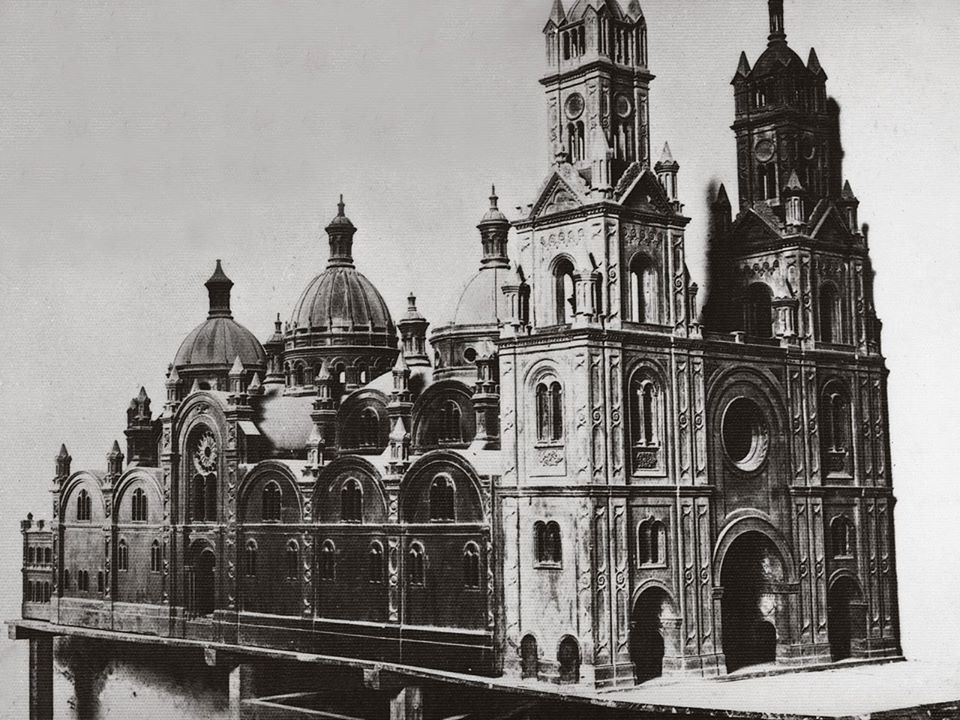
A model for the Cathedral. The towers of the front facade were designed to have an extra stage, as can be seen in the photo of the model here. However the planned towers were truncated due to a calculation error of the architect. If they had been raised to their planned height, the foundation would not have been able to bear the weight.
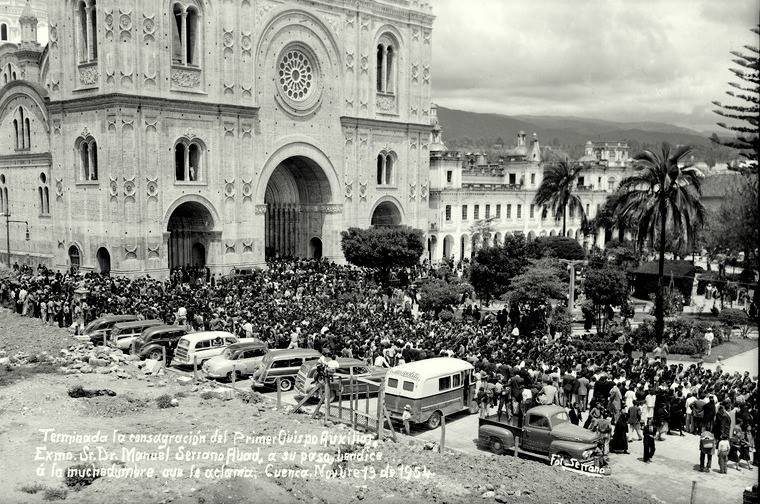
1954 – On November 13, 1954, the first public act took place inside the cathedral that was not finished yet; the episcopal consecration of Manuel Serrano Abad was celebrated. In the same year, the interior part would be completed with the placement of Italian marble on the floor.













































 A GUIDE TO CUENCA ARCHITECTURE