Antiguo Edificio de la Communidad Salesiana

# 6 Corner of Mariscal Sucre y Borrerro. Built in 1949
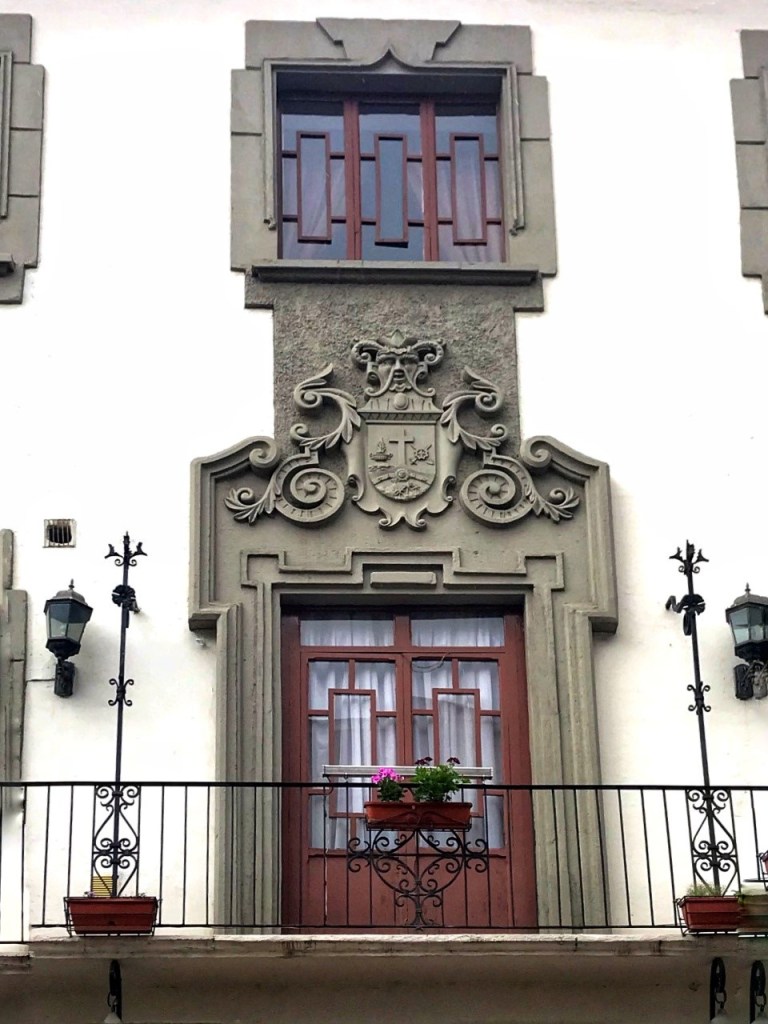
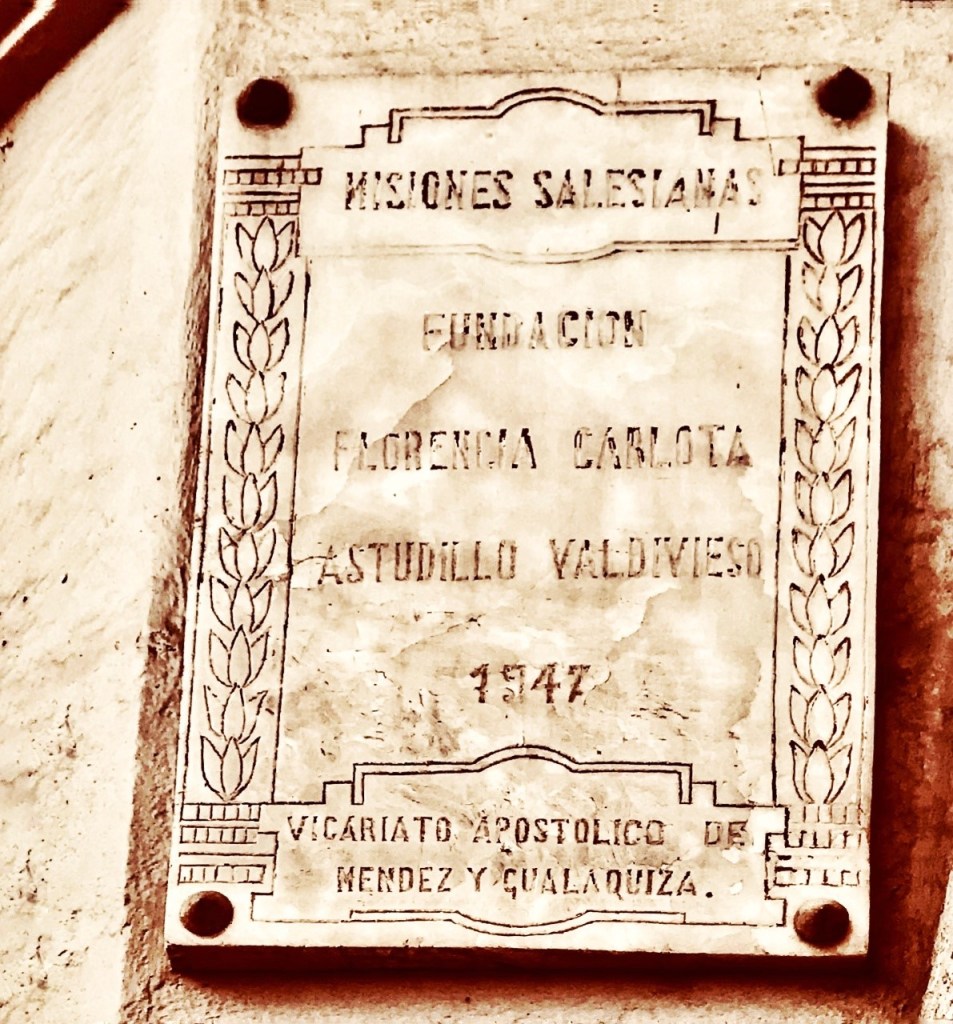
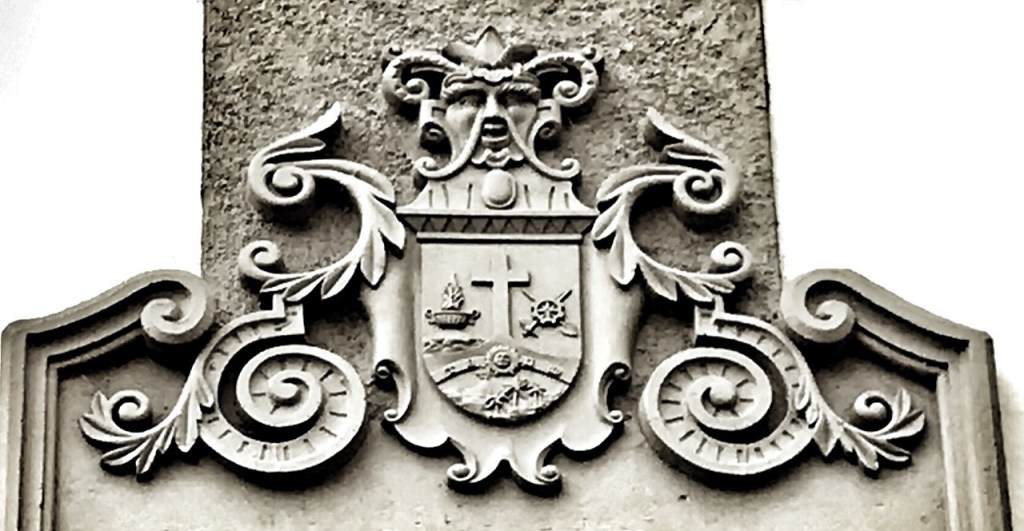
This building has a marked Italian influence and was constructed in 1949 by the Salesian Fathers to accommodate visiting monks of the same community. The land was donated in the 1920’s by Florencia Astudilo Valdivieso. The first floor windows display exposed brick and semicircular arches.The second floor is fronted by balconies with stone slabs and wrought-iron rails. The French windows are decorated with stone shields of the Salesian Order, adorned with human masks, plaster ribbons and wreaths. The corner is an outstanding feature of the building. Conceived as a tower with an oculus at the center, it has a hipped roof of corrugated zinc with spires rising at each corner to accentuate the verticality of the building. A wrought-iron cross on top of the roof provides the final touch. Now owned by Dr. Alberto Delgado, the building accommodates commercial establishments on the ground floor, and is currently a residence on the upper floors. 

Casa Natalicia Del Presidente Gonzalo S. Cordova

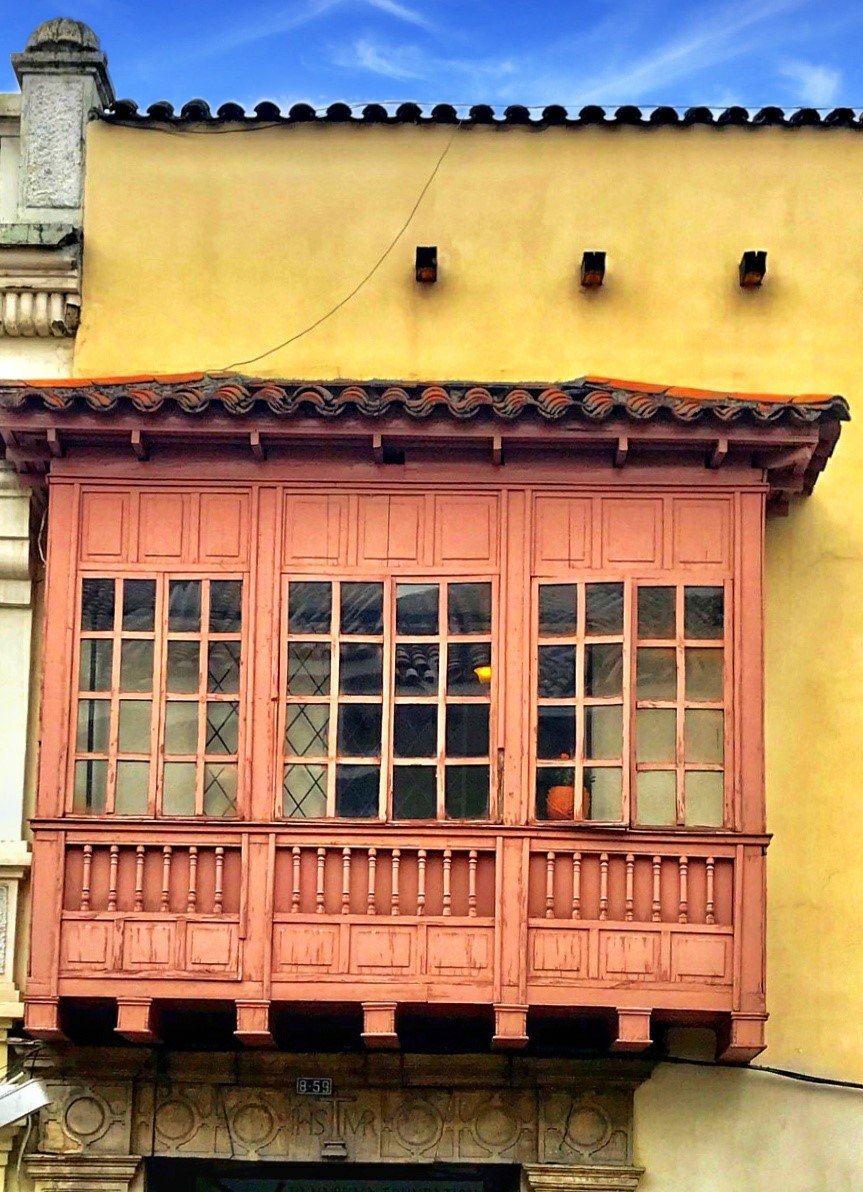
#5 Hermano Miguel 8-59 y Simon Bolivar. Currently the Yanapuma Foundation and Spanish School.

Inhabited at one time or another by several of the city’s illustrious figures, the house is perhaps most famous as the birthplace of Gonzalo S. Cordova in 1858. He was President of Ecuador from 1924 to 1925.

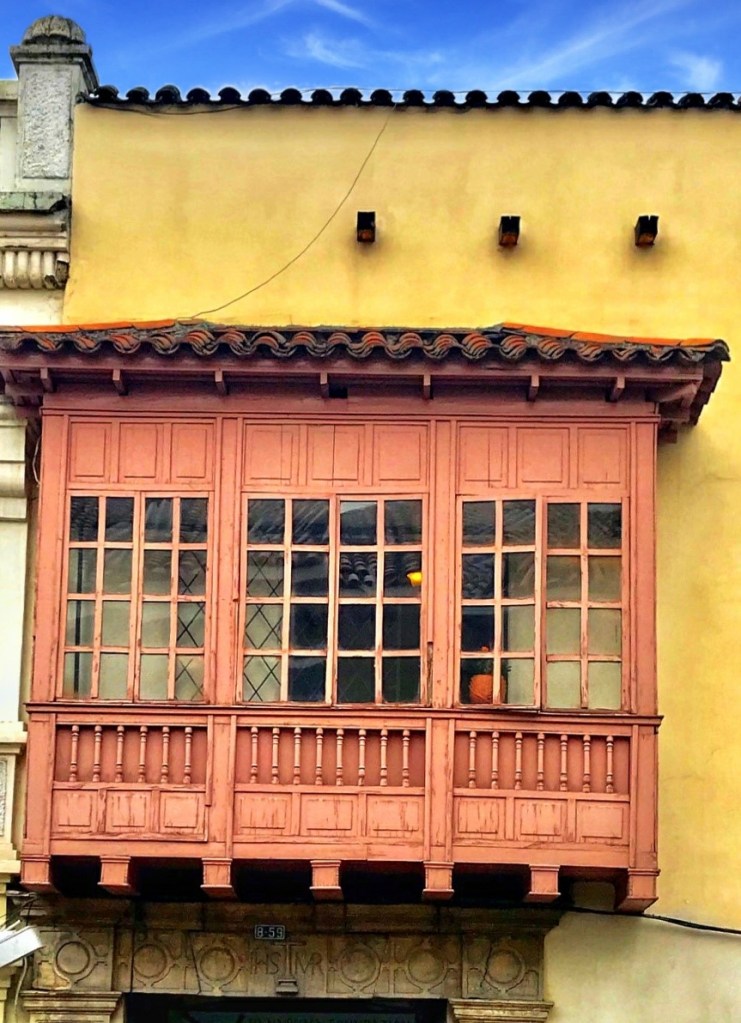
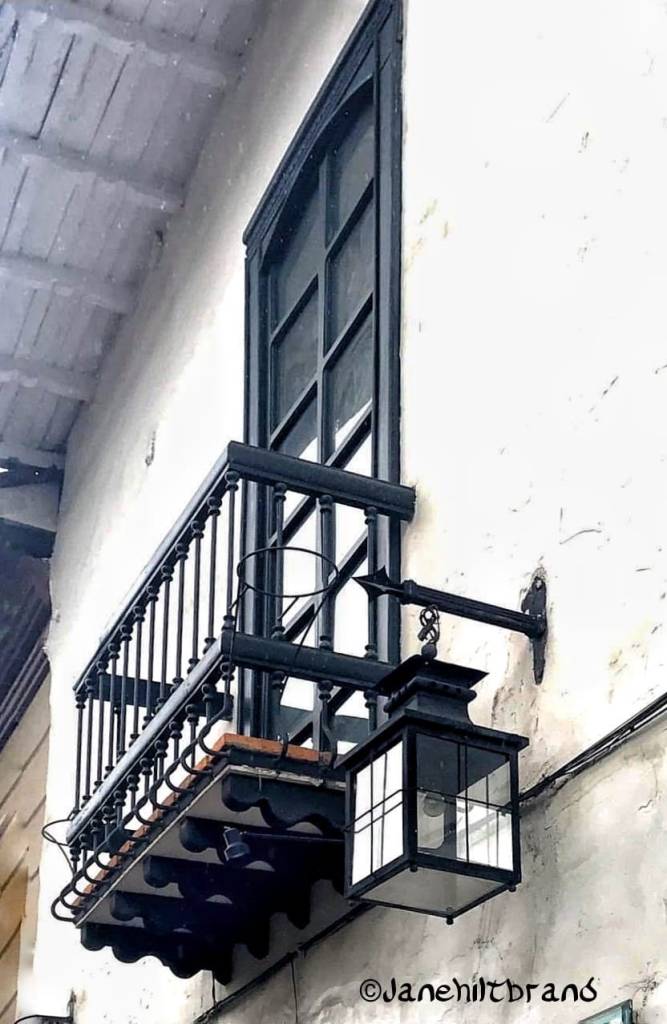
The window apertures are framed by smooth haut-relief mouldings that define flat and semicircular arches. The small tiled roofs over the windows and wooden balcony are an unusual feature of this house.

The wooden balcony is in the fashion of the Lima,Peru-style balconies that were frequently used in Cuenca during the colonial period. Families would seat their marriageable young daughters in these balconies, in the eyesight of eligible men to drive by.

Currently, the Yanapuma Foundation and Spanish School is in this building. This building used to form a single complex with the adjacent building, and extended all the way back to Atonio Borrero Street.

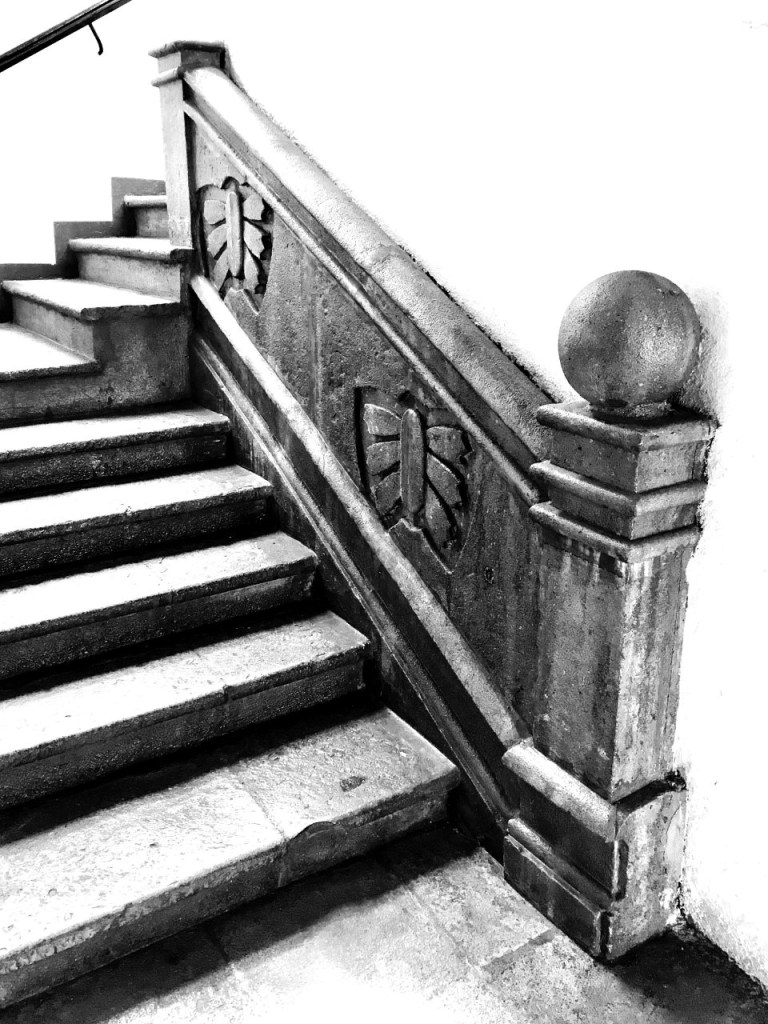
A carved stone staircase is in the entryway.

Antigua Casa de Vintimilla Ordóñez

#4 ANTIGUA CASA DE VINTIMILLA ORDOÑEZ. Hermano Miguel 8-35 y Simon Bolivar. Currently Instituto de Arte Contemporaneo.

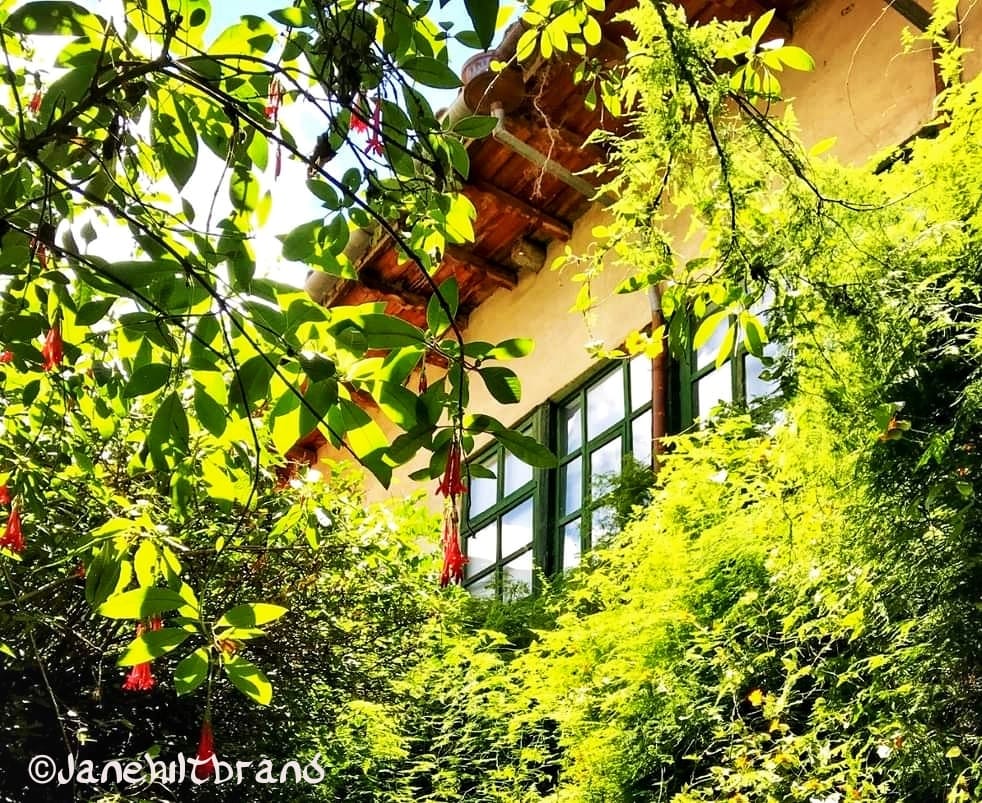
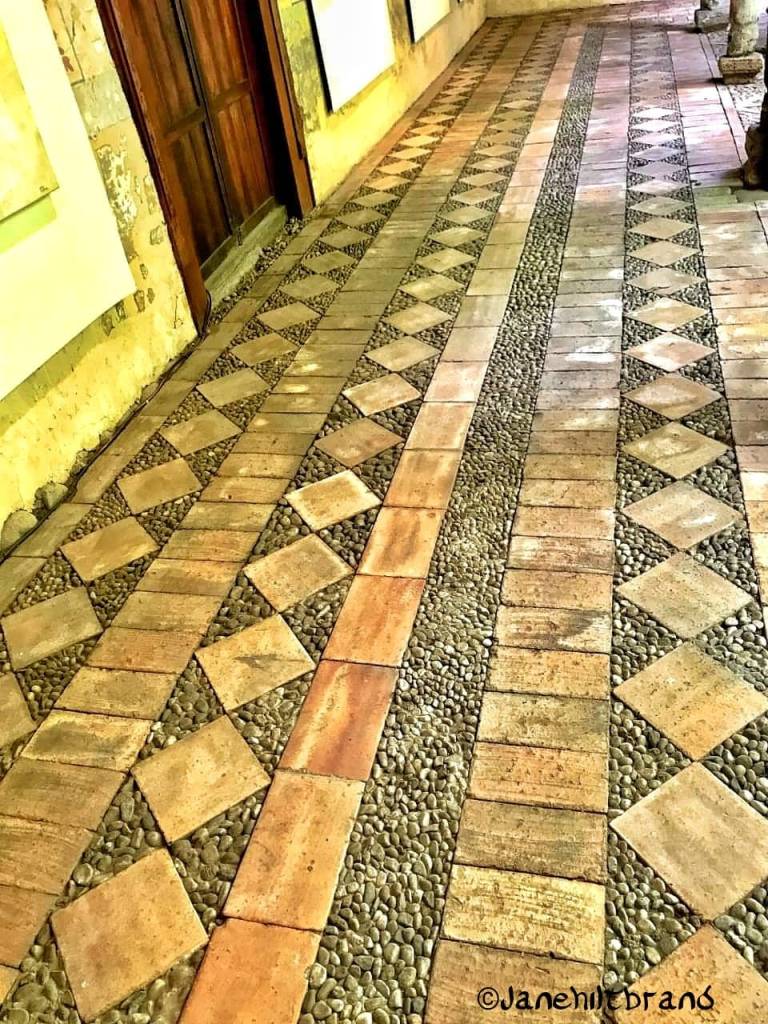
This large colonial house has an austere modest facade that combines white walls with dark green woodwork. Inside…..hidden Cuenca treasure!

Records show that from 1915 to 1988 the building was home to the Ordóñez Vintimilla family, and that their heirs subsequently sold it to the current owner, Fernando Piedra Cardoso. The front of the building houses the contemporary art gallery. But when you enter the first courtyard, you absolutely are transported to another time…..


Most colonial houses had two, sometimes three courtyards. Typically the front courtyard was surrounded by rooms where the family lived and entertained. The second courtyard had a vegetable garden, and housed the servants. This house was very unusual in that there were no rooms coming off the front courtyard. Fernando said this courtyard and garden was designed purely as a place to sit and enjoy beauty!

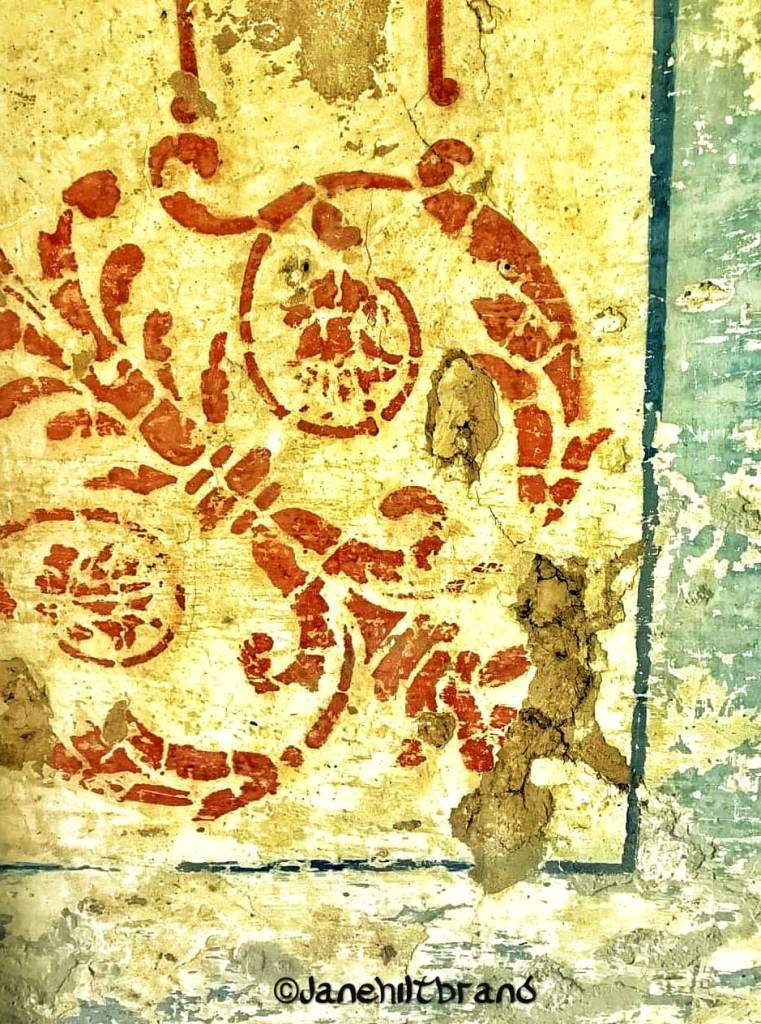
Exquisite hand painted murals….

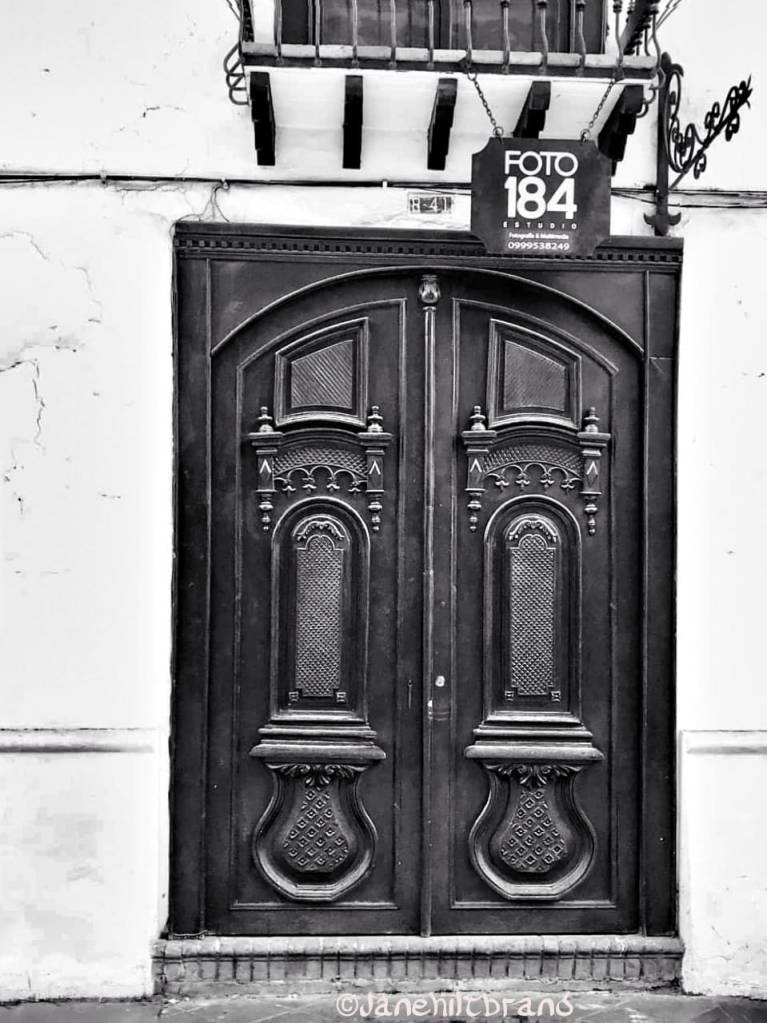
At the center the large entrance door is adorned with haut-relief wooden carvings.

An exploration of the architecture in this UNESCO World Heritage Site

“Cuenca doesn’t look like a sixteenth-century city that has been preserved; it looks like a city that has been in use since the sixteenth century” Calvin Trillin

There are so many things I love about Cuenca, but my absolute favorite thing is the architecture. On December 1, 1999 the Historic Center of Cuenca was designated a World Heritage Site by UNESCO in recognition of the historical, cultural and architectural merits of the city. So 2019 is the 20 year anniversary of that designation.

My fabulous Spanish teacher, Cristina Flores Ortiz,with Walking Spanish Lessons, knows of my love for the architecture, and she presented me with a copy of a book published by the City of Cuenca in 2007 – “Guia de Arquitectura Cuenca.” I decided I would like to follow along with the same format as this book, and take pictures of the buildings as they are today, with their current usages. There are 165 buildings featured, so this will take some time. Some of them are very recognizable historic landmarks – such as the cathedrals. Some you might have walked by, and wondered about the history of that particular building. And some you might have walked by and not noticed at all… The book only includes one photo of each structure, and it is always only one exterior photo. I will try to include multiple photos, and also interior photos when possible, whenever access to the interior is available. All of the photos are mine, unless otherwise noted. The old historical photos come from various sources.
The historical facts are coming from the City of Cuenca, so I am assuming the history is correct. I am doing this only for the fun and love of it. I believe when you love something you want to learn as much as you can about it.
I hope some of you will enjoy following along on this tour of Cuenca historical architecture.
Jane Hiltbrand
August 5, 2019
http://www.architecturalcuenca.com