China Building

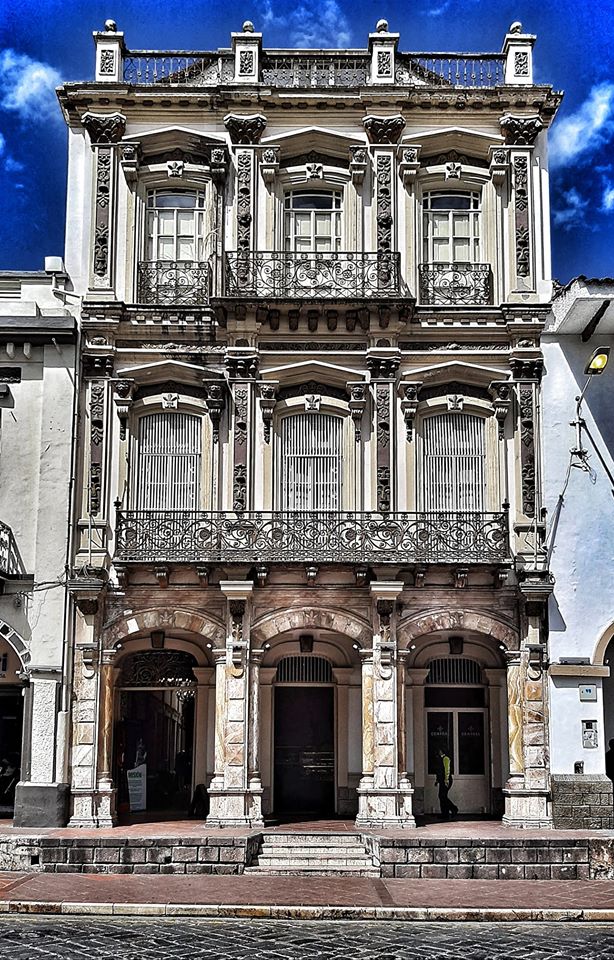
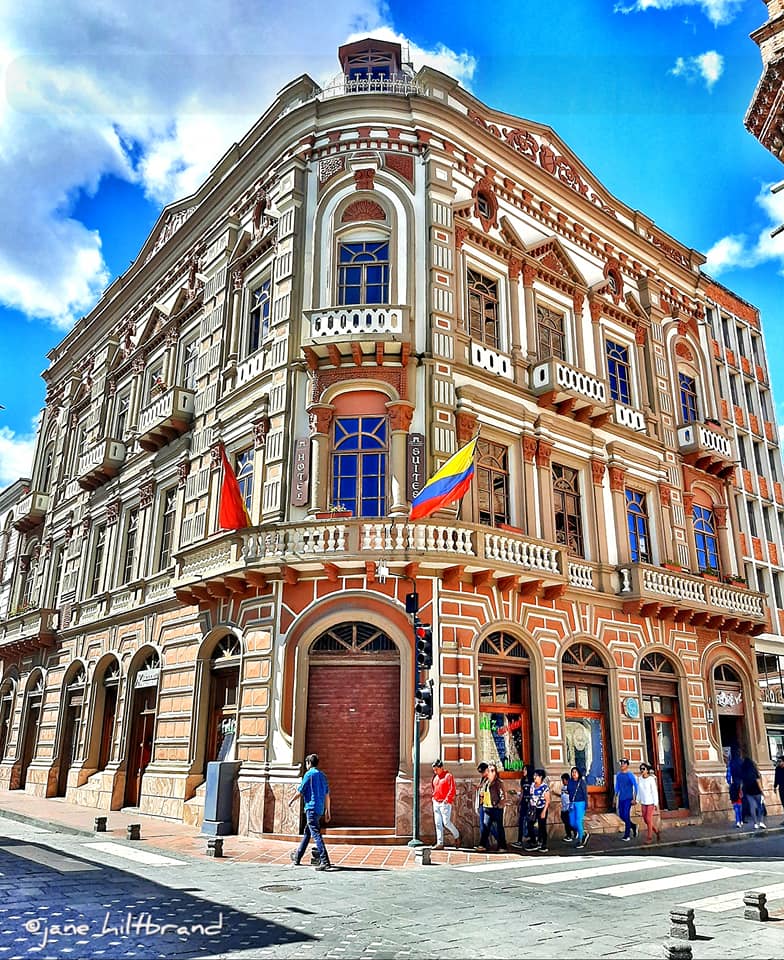
#25 CHINA BUILDING 9-52 Simon Bolivar. Built 1909-1913.

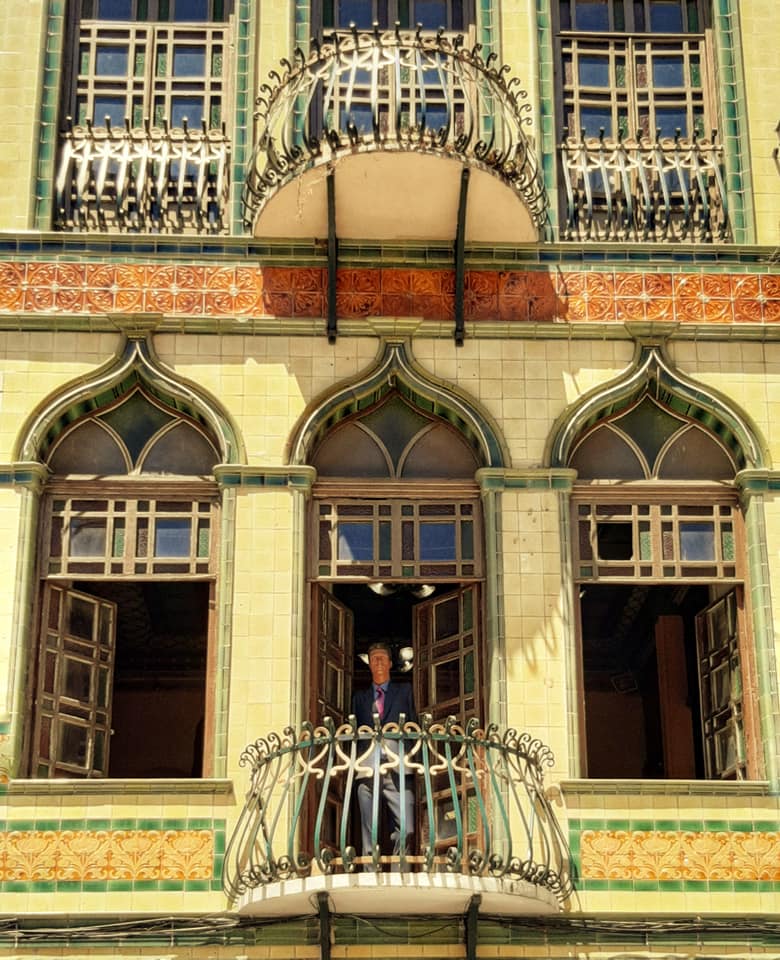
Who is that handsome man in the window? If you have ever taken the double-decker bus, or walked down the street on Simon Bolivar, you have probably seen a well dressed man on the balcony of this building.

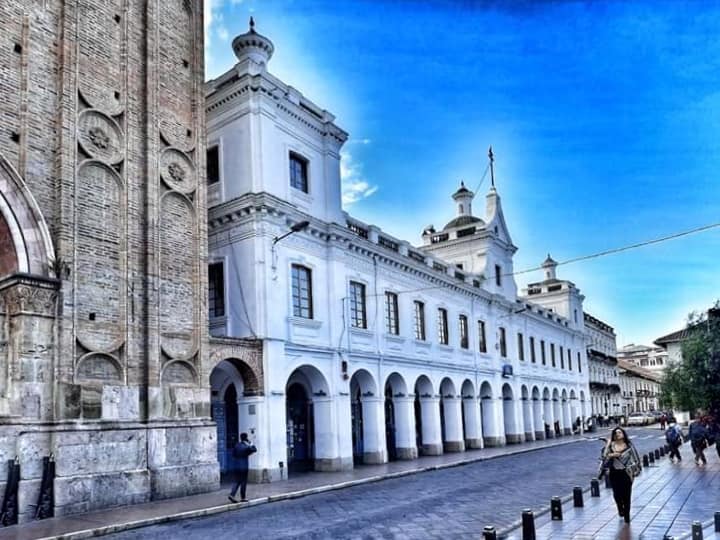
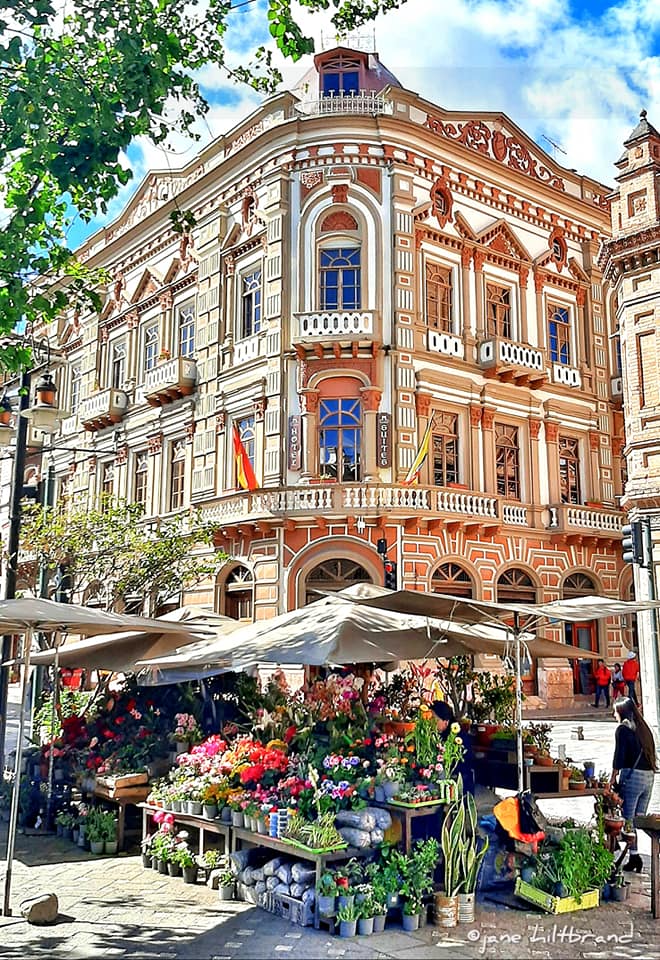
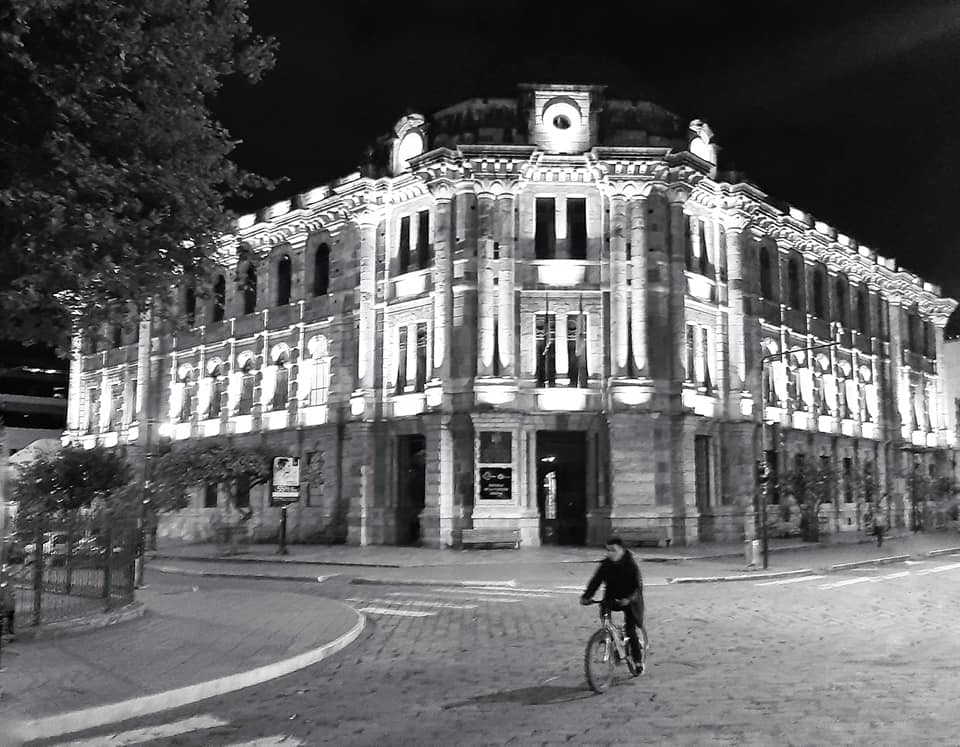
“The China House” was the popular name given to this building as description of the facade, which is clad from top to bottom in pieces of china. These were probably a special commission from France, produced according to a specific quantity, shape, size and color to form a design for the complete facade.

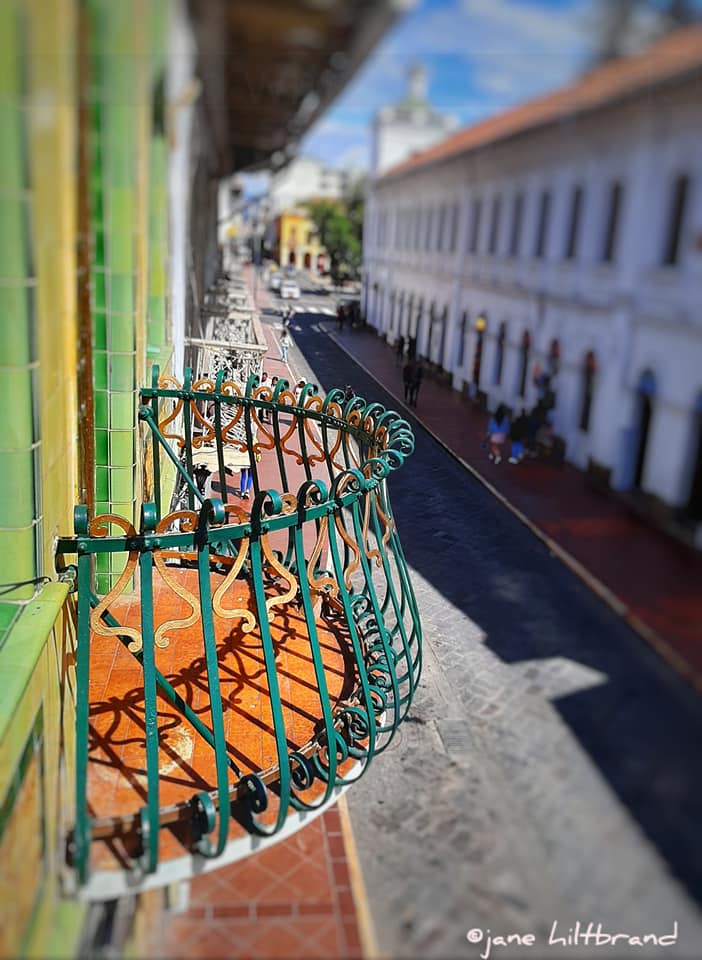
The balconies, balustrades and other metal elements were imported from England and display the same Art Nouveau style as the facade.
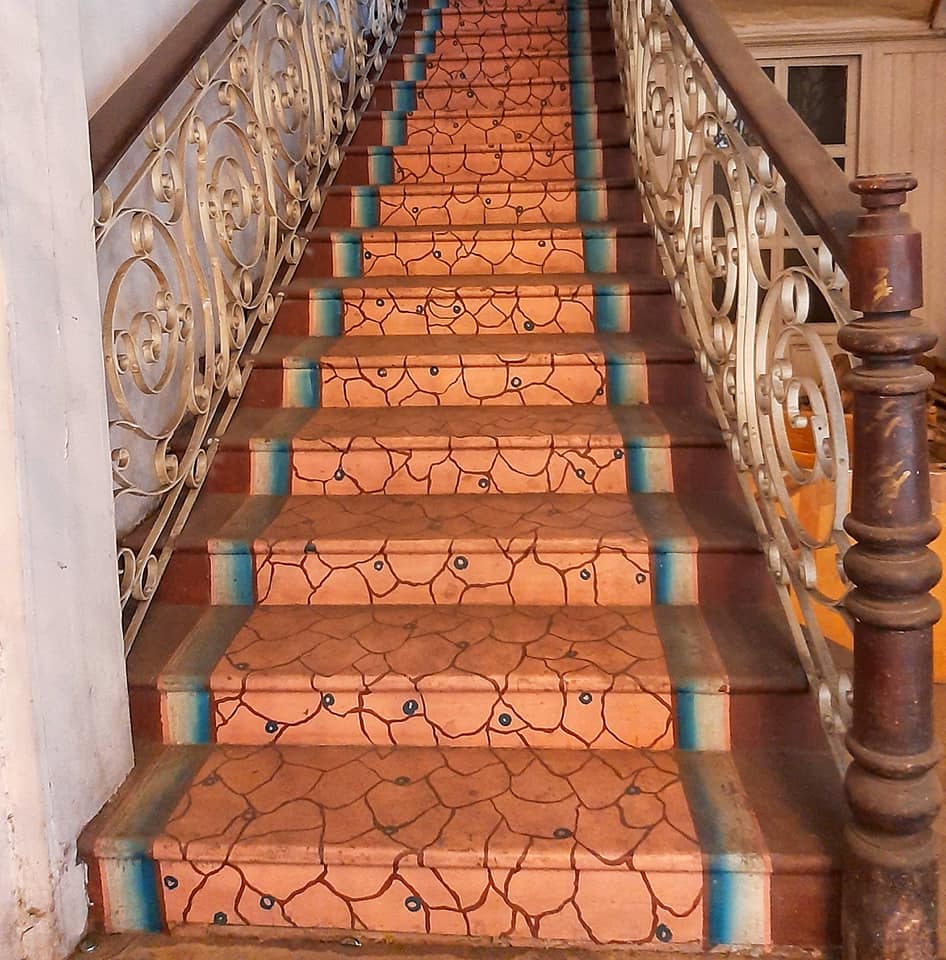
A handsome staircase leads to the second level.

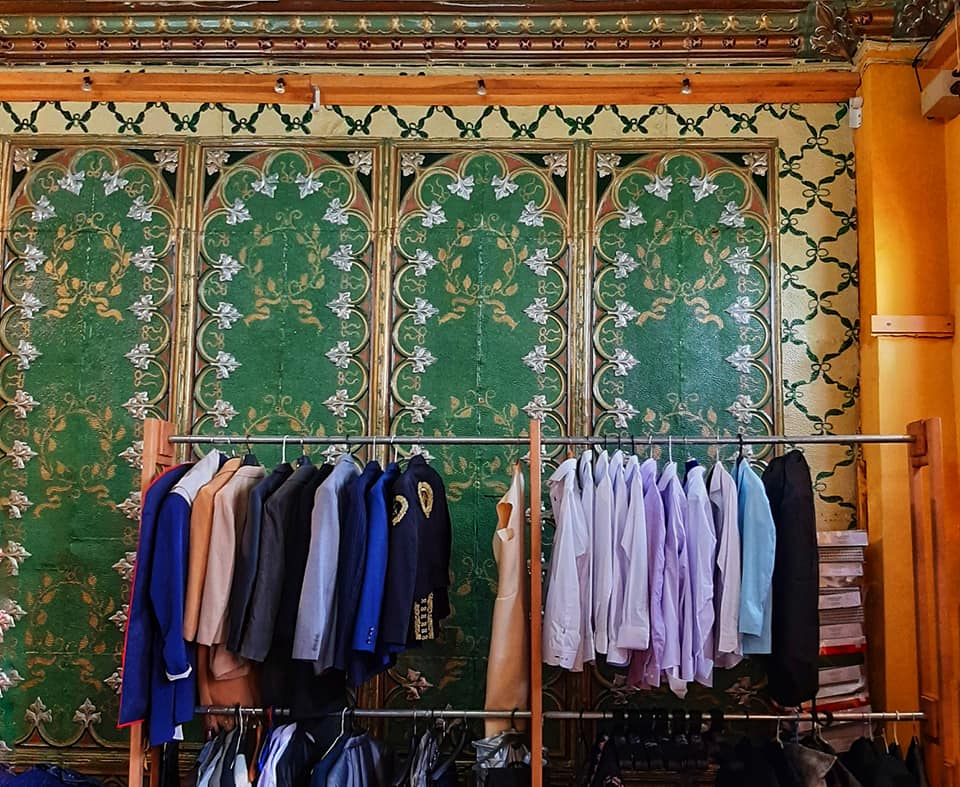
There he is! A mannequin stands in the window of the shop of David Anthony, a custom man’s suit tailor.
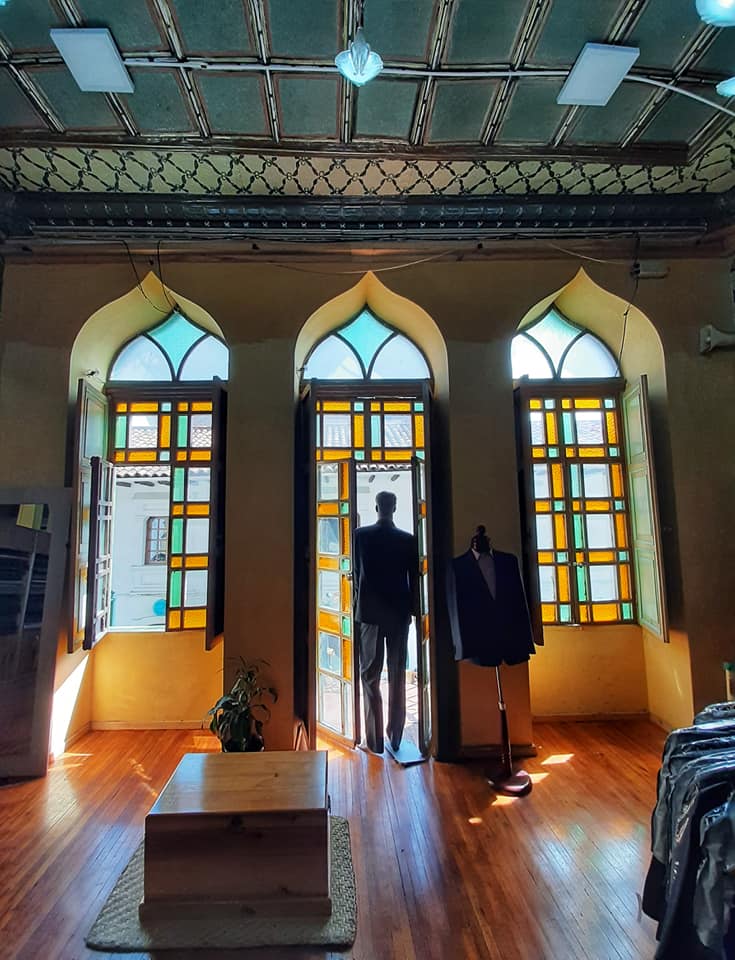
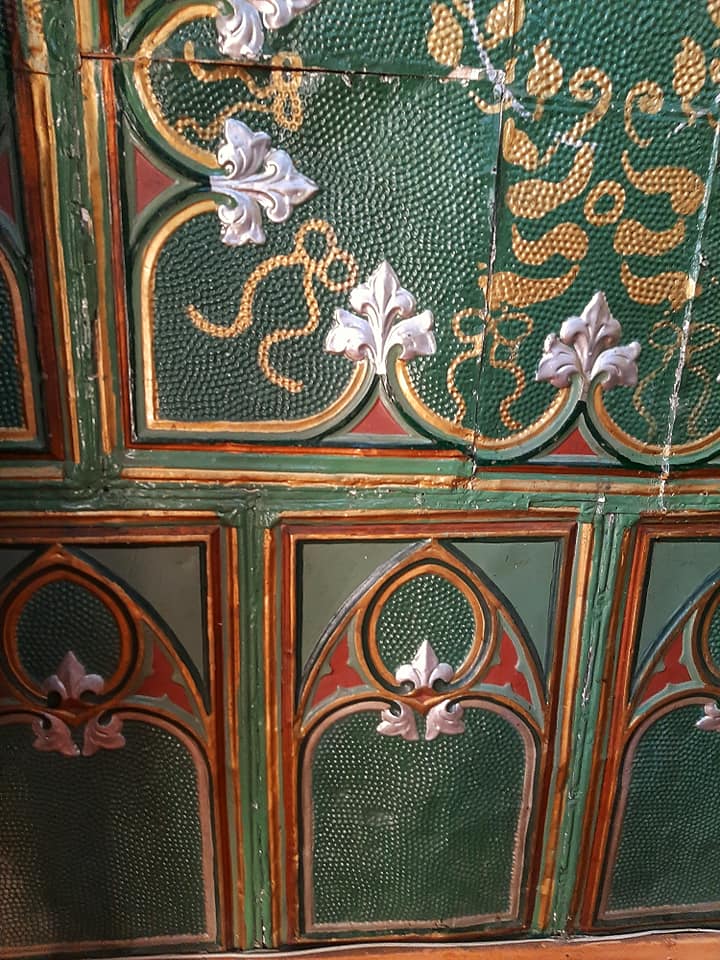
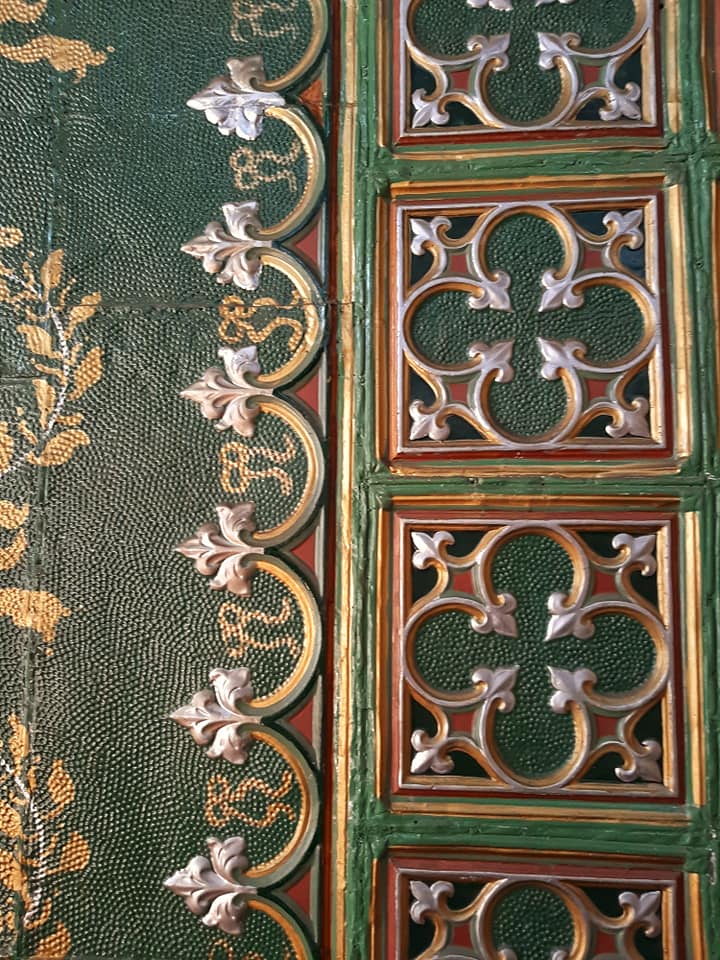
The entire shop is covered with polychrome brass on the ceilings and walls.

David Anthony can tailor make a man’s suit in five days! — David Anthony – Trajes para Hombre.

The emerald green and cream ceramic pieces have a polished finish, which has prevented their deterioration by the local weather conditions as well as the state of neglect into which the building fell for several decades while serving as a tenement house.

now you know who he is…..!!

Antigua Casa Del Doctor Manuel Arce Torres

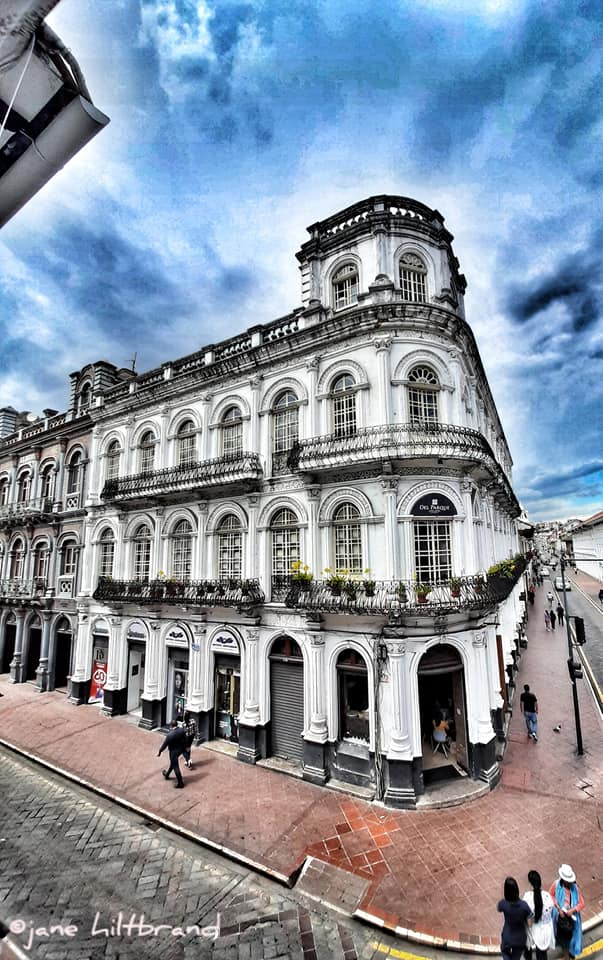
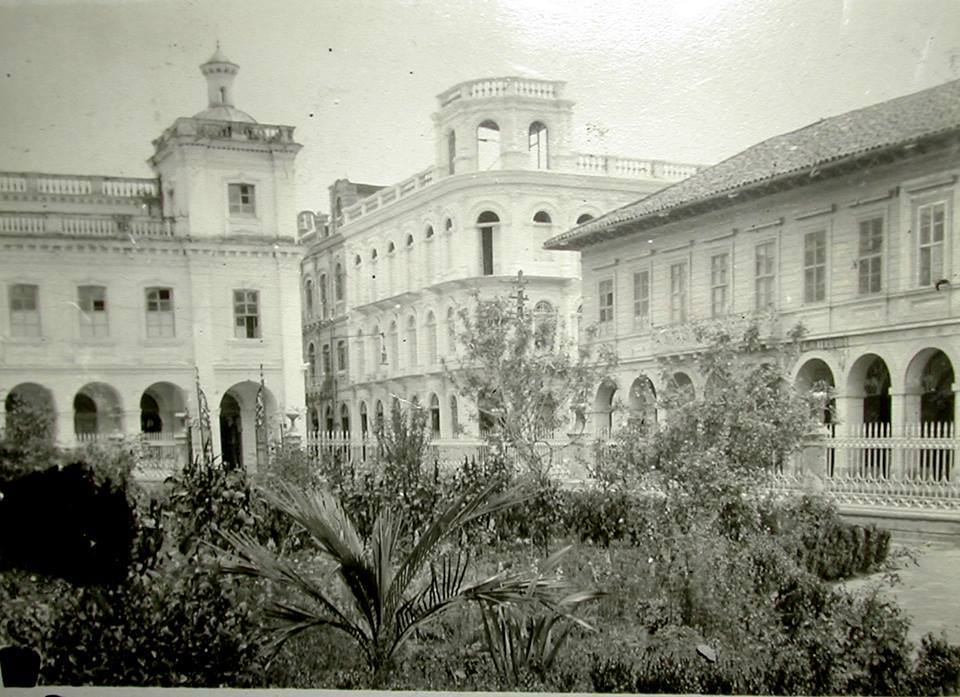
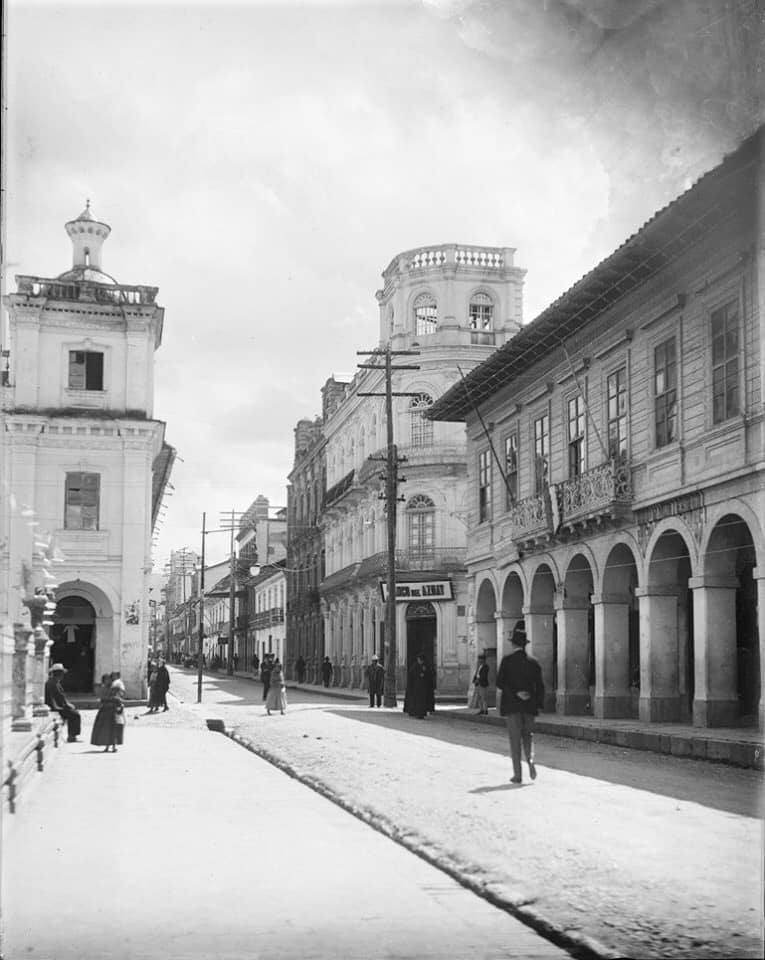
#23 ANTIGUA CASA DEL DOCTOR MANUEL ARCE TORRES Built 1898-1907. Corner of Benigno Malo and Simon Bolivar.

The French style facade of this building dominates the northwest corner of Calderón Square, displaying a design attributed to the German Redemptorist monk Juan Bautista Stiehle. The first owner, Manuel Arce Torres, who exported straw Panama hats, lived on the outskirts of the city in the El Vecino district, and conceived the building to accommodate living quarters for his family on the upper floors and commercial premises on the ground floor. 

This imposing work of architecture testifies to the economic and cultural boom experienced in Cuenca at the beginning of the 20th century.

The building currently houses Del Parque Hotel and Suites on the upper levels, and several popular restaurants and stores on the street level.

A little further down Bolivar Street, the Bolivar Clinic displays formal characteristics very similar to those of this building.

Casa de Hortensia Mata

#22 CASA DE HORTENSIA MATA Simon Bolivar 8-28

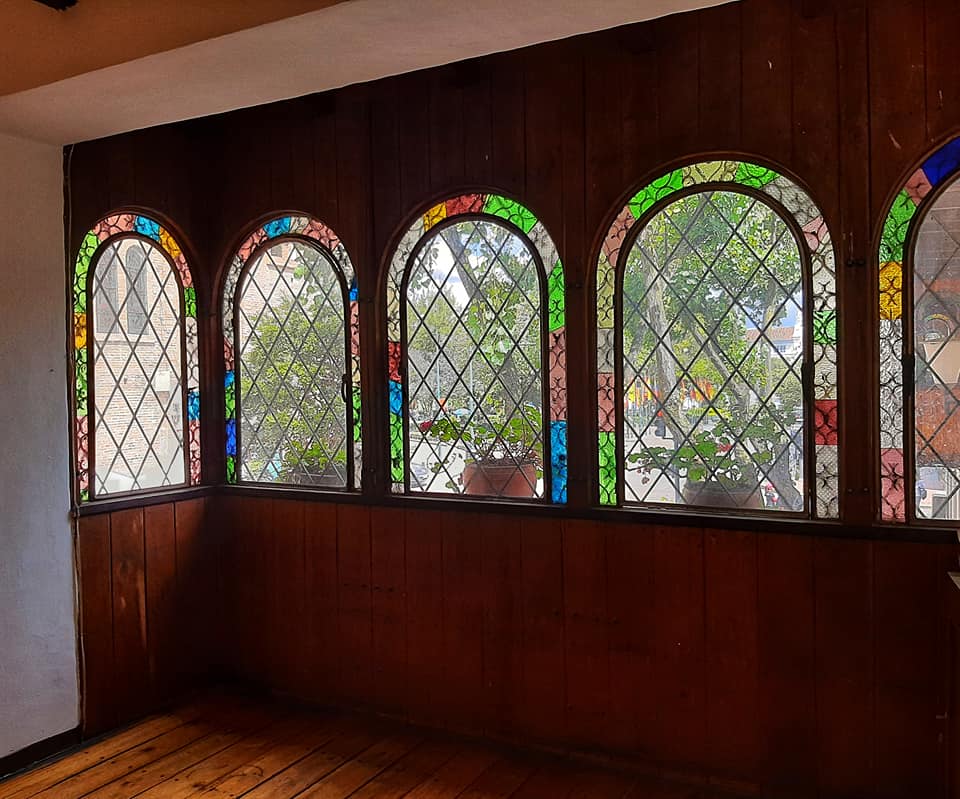
Built in 1910. This building with a marked French influence, was conceived by the French artist Giussepe Majon and supervised by Manuel Ordonez Mata, the owner. The stained glass windows were imported from Belgium and the polychrome brass for the ceilings came from France.

Hortensia Mata was a businesswoman and philanthropist who married the wealthy José Miguel Ordóñez Lazo, and together they were part of the political and economic power groups nationwide, in the late 19th and early 20th centuries. Sixteen children were born from this marriage and the family lived in this house previously known as the Casa Ordonez Jerves. Hortensia was known as the “First Lady of Cuenca” She and her family additionally owned the large magnificent yellow building on Luis Cordero, now called “Casa del Parque” across from Parque Calderon, and currently owned by the Eljuri family.

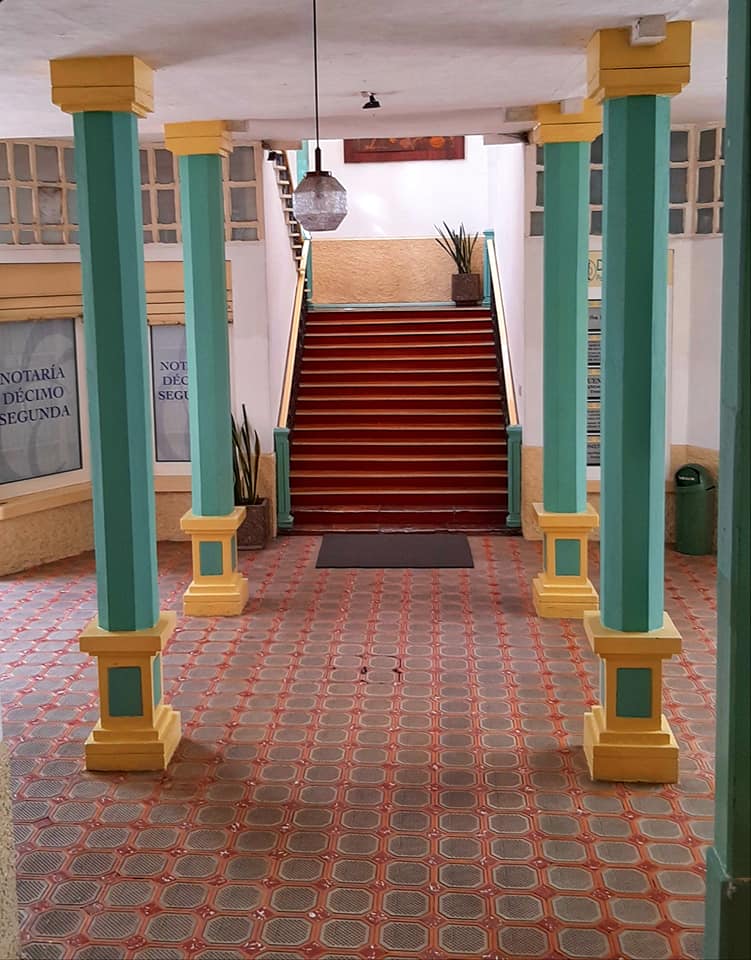
The first level coming back from Simon Bolivar now houses several stores and businesses. As with many buildings in Cuenca, the interior is much larger than it might seem to be from the street, as the buildings are quite deep – they extend back from the street for a considerable distance.

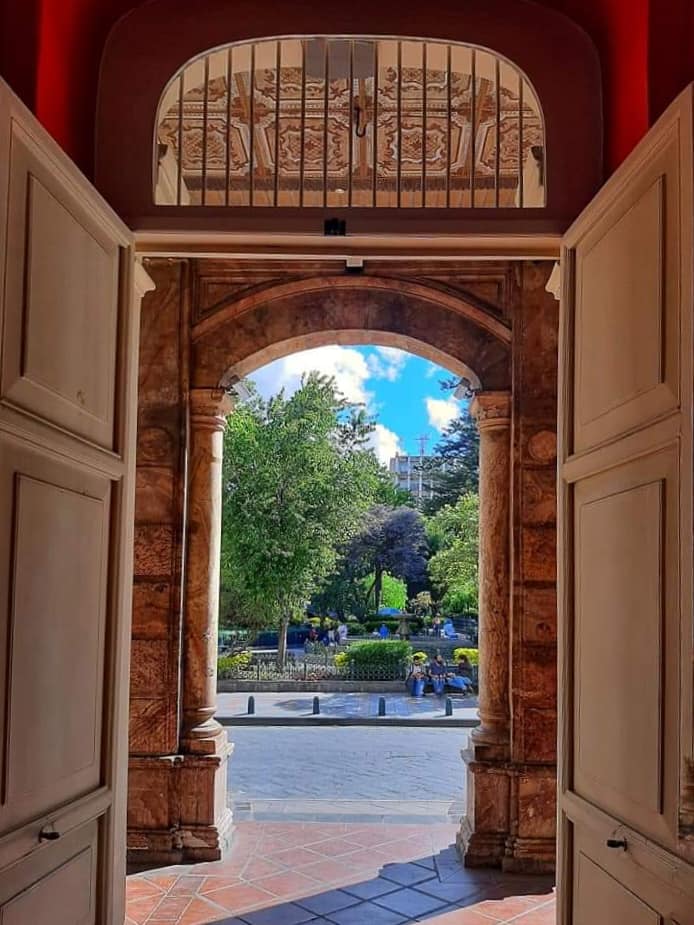
The front door looks out to Parque Calderon.

From the rear of the building, and up two more levels, the building is used mostly for office spaces.

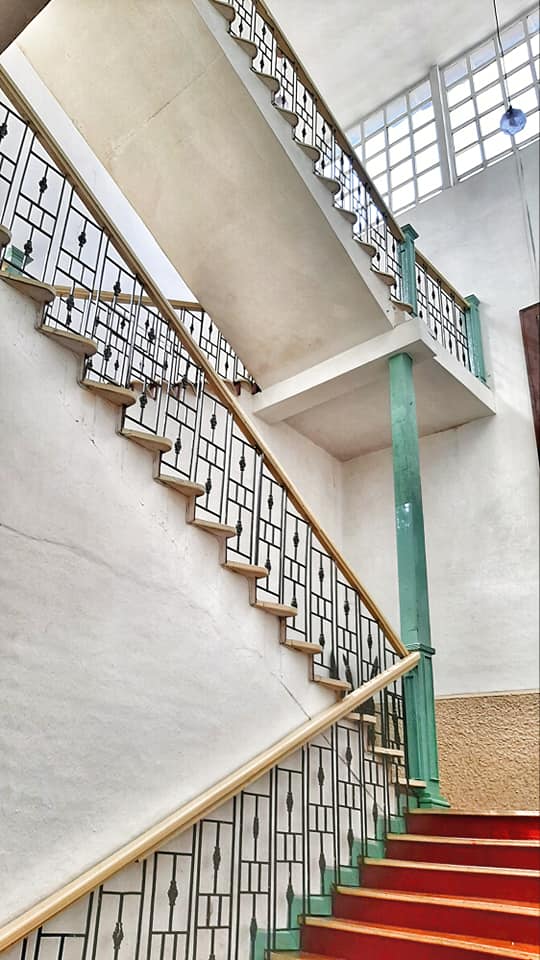
Grand old staircase.

The passage is from Simon Bolivar, back, and then in an L shape, out to Luis Cordero Street.

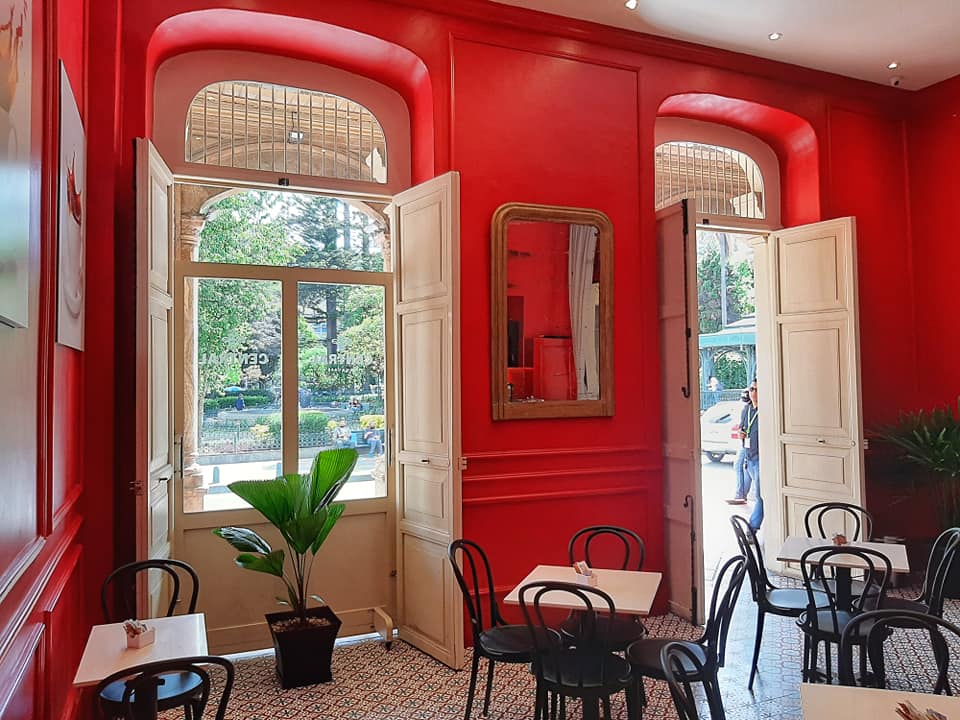
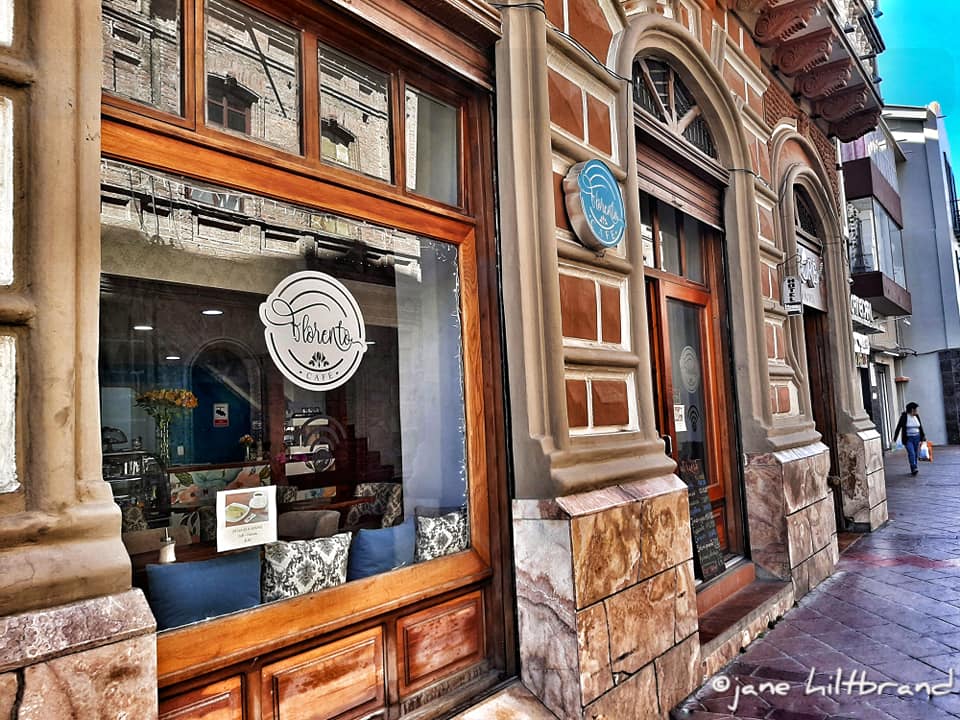
In the front of the building there is a charming coffee house.

San Luis Seminary

#21 SAN LUIS SEMINARY Benigno Malo y Simon Bolivar

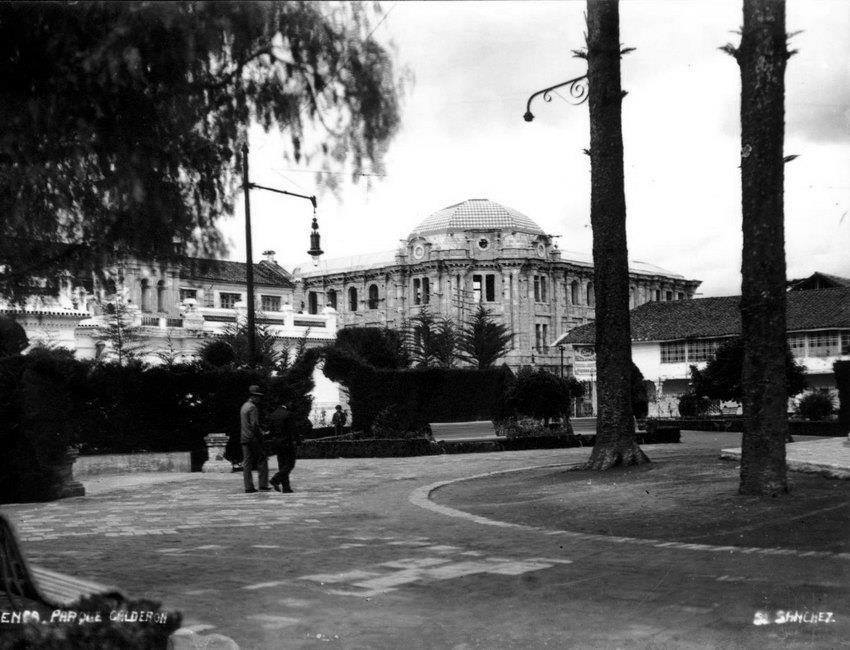
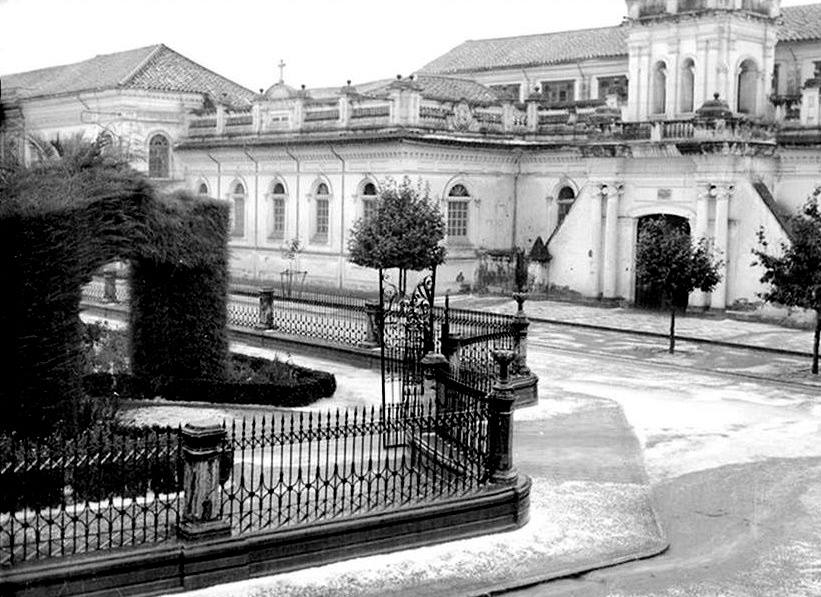
Photo from 1920 San Luis Seminario with the celebration of the first century of the Independence of Cuenca.

The first seminary in Cuenca was founded in September 1813. In addition to theology, law and medicine were taught. The funds for its operation were provided by a tax on cacao exports.

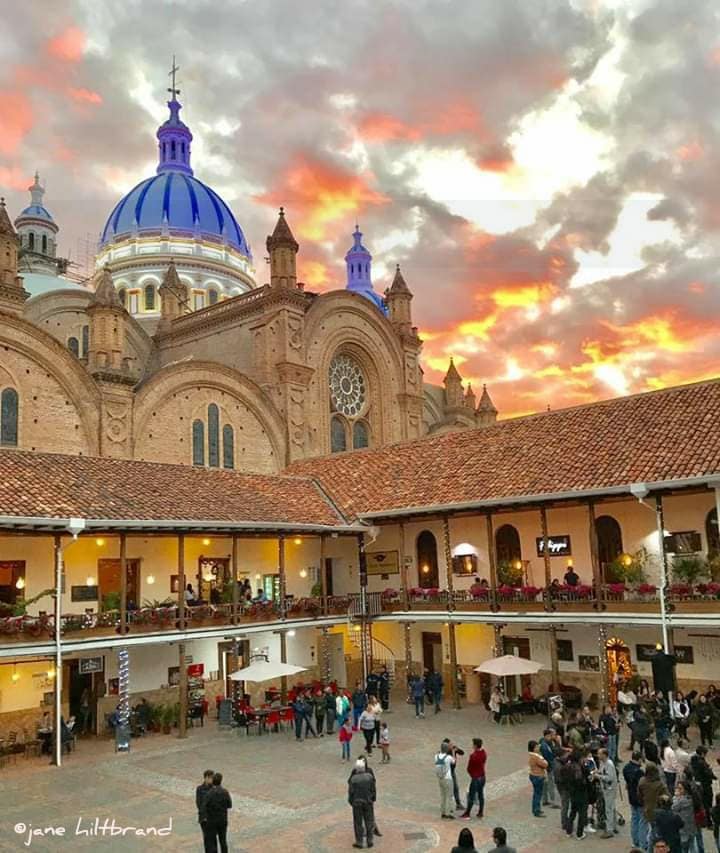
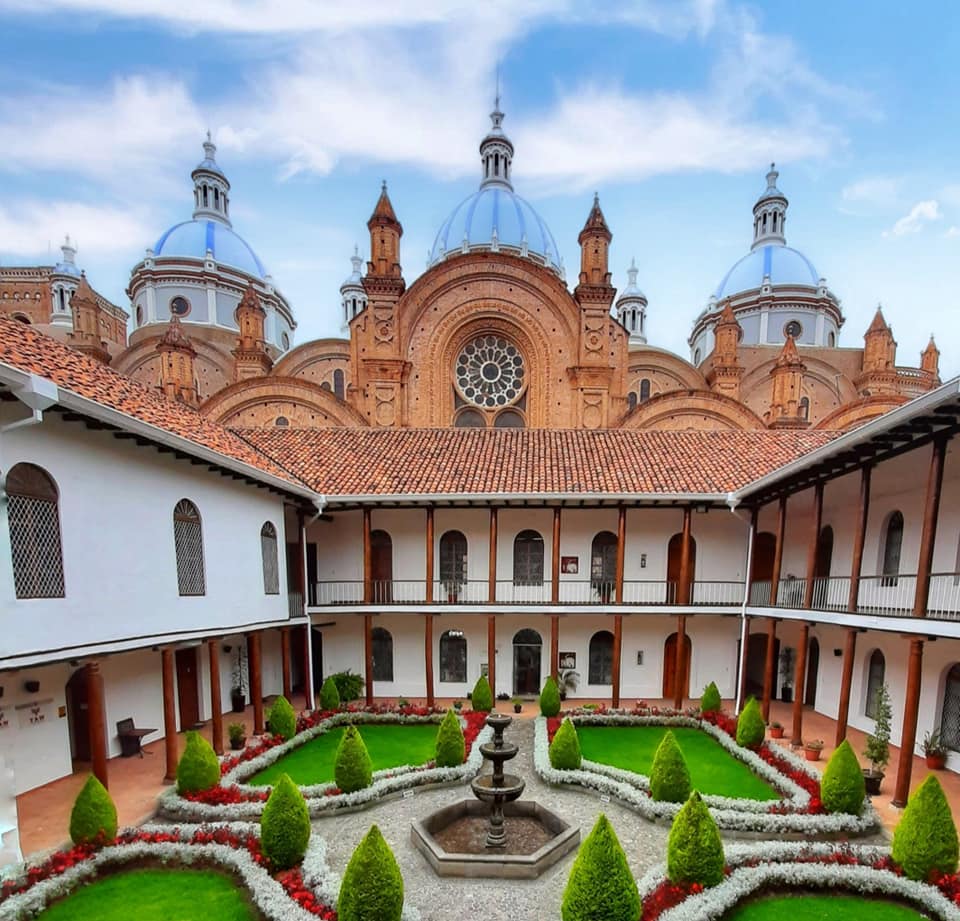
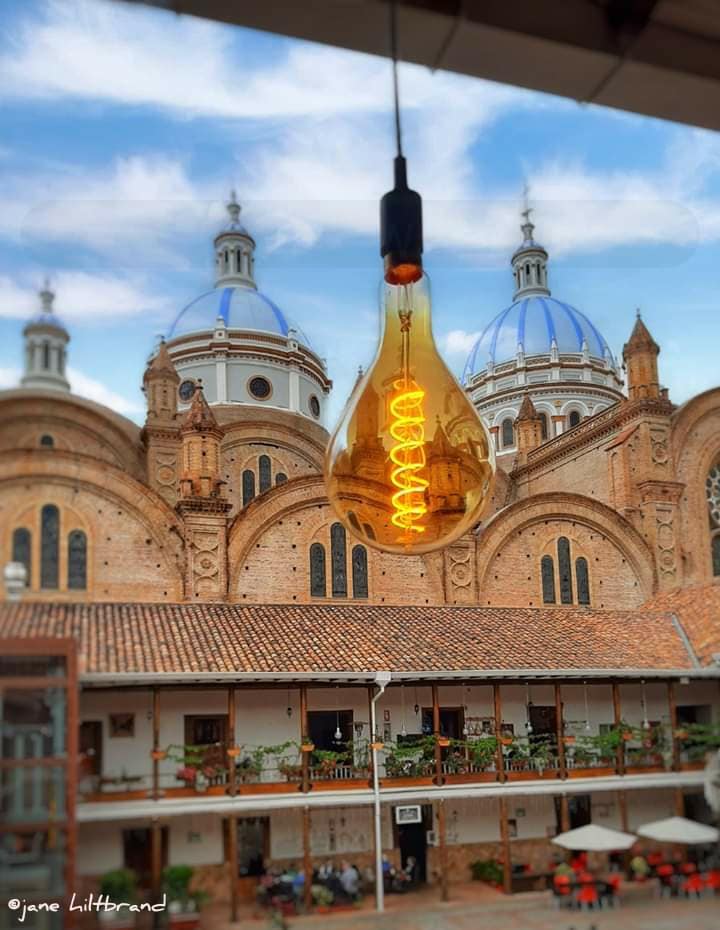
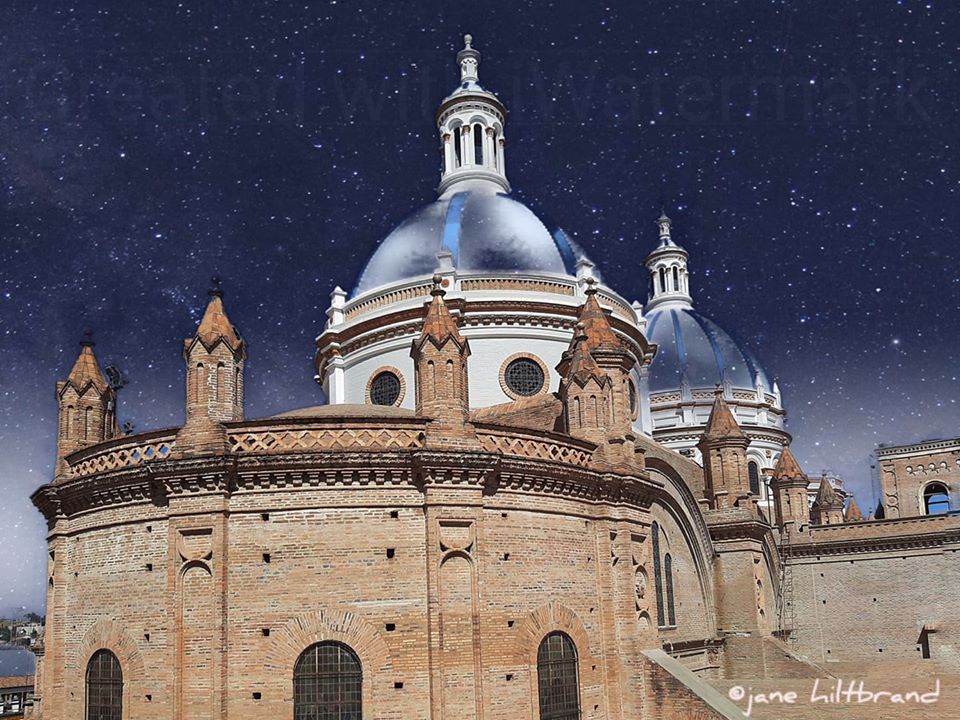
Inside the seminary building there is an impressive view of the domes of the Cathedral of the Immaculate Conception (the New Cathedral)

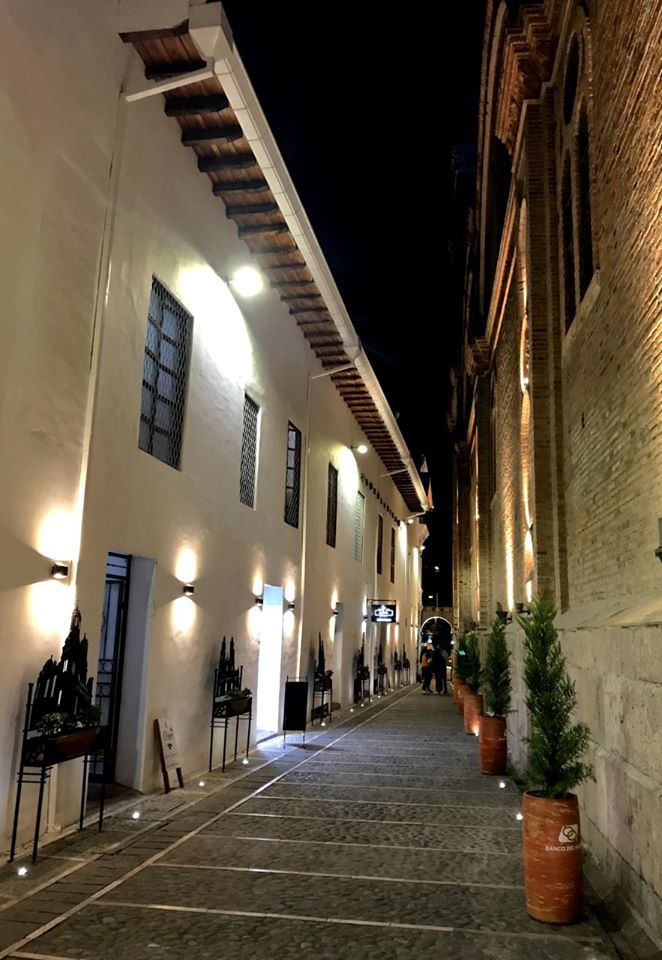
The inside of the seminary courtyard was opened to the public in 2017 after a long restoration process. It is a lovely space to enjoy a meal, or music. There are several ferias held in the courtyard throughout the year.

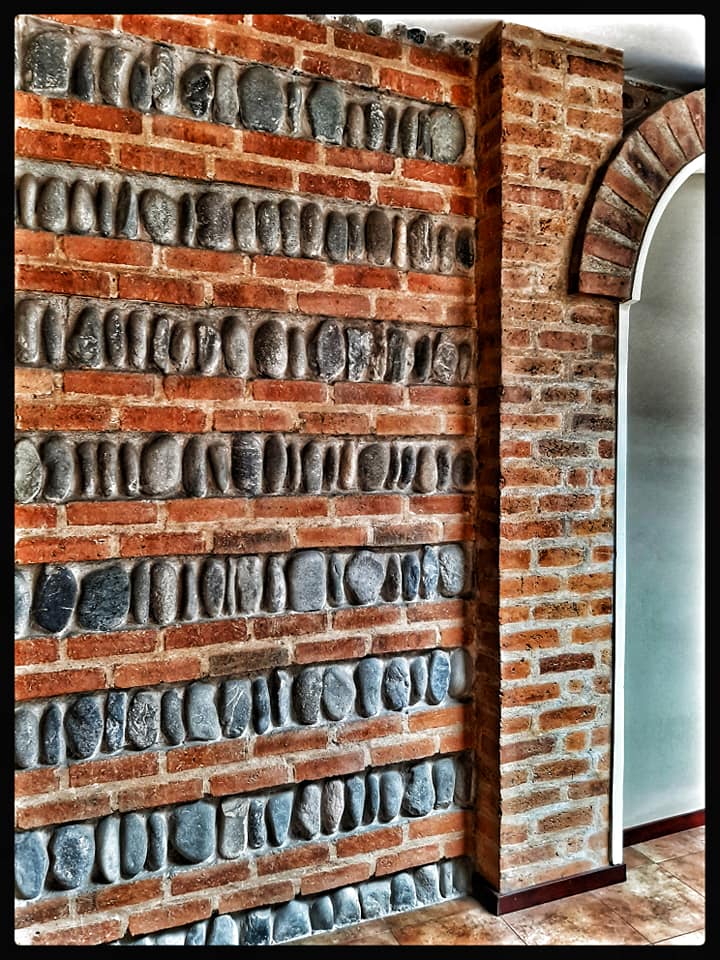
The second courtyard can be accessed from several of the restaurants, and from Santa Ana Street. The building is composed mainly of adobe walls and solid bricks.

There is now a good selection of very popular restaurants, coffee shops, stores, and an ice cream parlor inside the renovated San Luis Seminary.

There is a chapel inside the Seminary.

Santa Ana Street runs between the New Cathedral and San Luis Seminary. It is said to be one of the oldest streets in Cuenca.

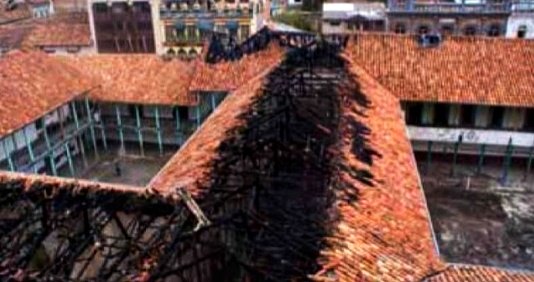
Photo #1 Seminary in 1910. The New Cathedral is under construction to the left. Photo #2 San Luis Seminary Roof, after the fire August 2012. Investigators said the fire was the result of fireworks from a Parque Calderon celebration. The fire destroyed the central part of the roof, as well as an interior chapel that contained wall murals which had recently been restored. A large restoration project began after the fire. Many parts of the seminary were not being used prior to that.


Former Neira Family House; St. Augustine’s Building

#19 FORMER NEIRA FAMILY HOUSE Currently the Flore Hotel Boutique. Padre Aguirre and Mariscal Sucre.

The building was originally built in 1932, in the Republican Style which prevailed in Cuenca at that time. It has gone through two major renovations – one in the 1990s, and the second in 2008. It is currently occupied by the Flore Hotel Boutique, with shops on the first floor.

The building is across the street from the Flower Market

There is a charming coffee shop/ restaurant on the first floor.

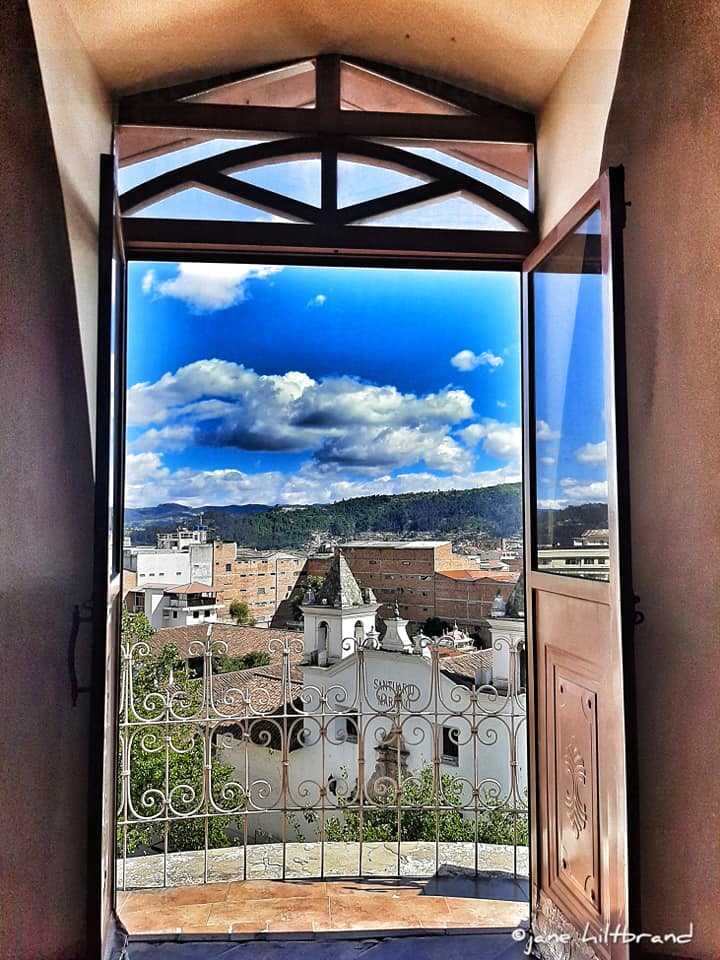
View from the cupola on the top floor

View at night across to the roof and domes of the New Cathedral

The Flower Market

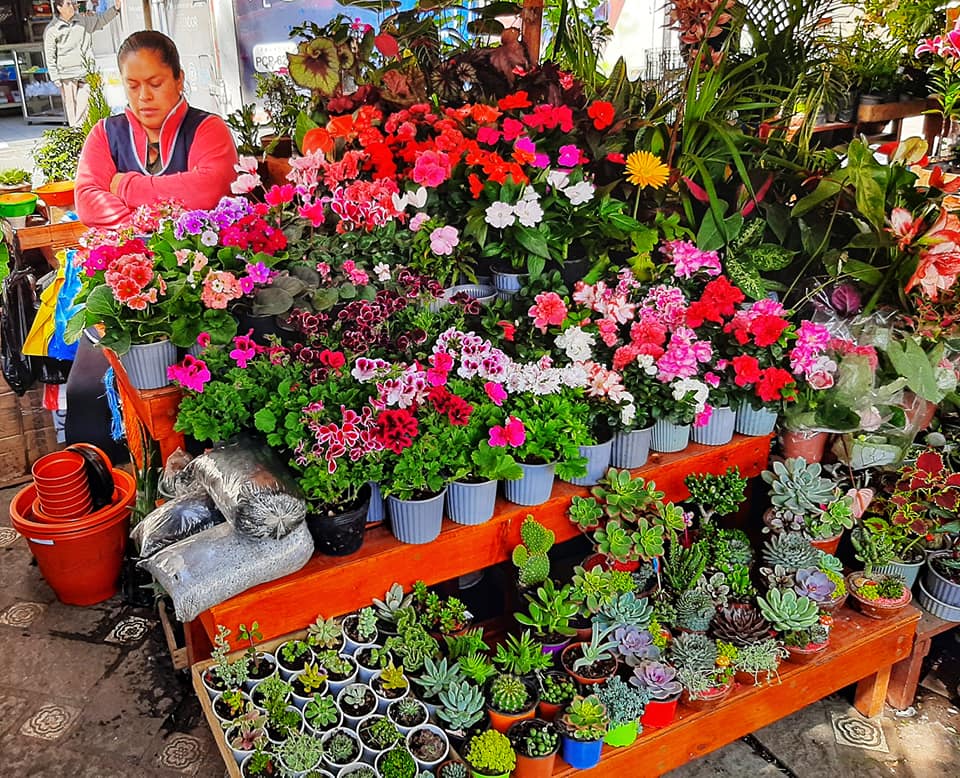
#18 THE FLOWER MARKET Mariscal Sucre y Padre Aguirre.

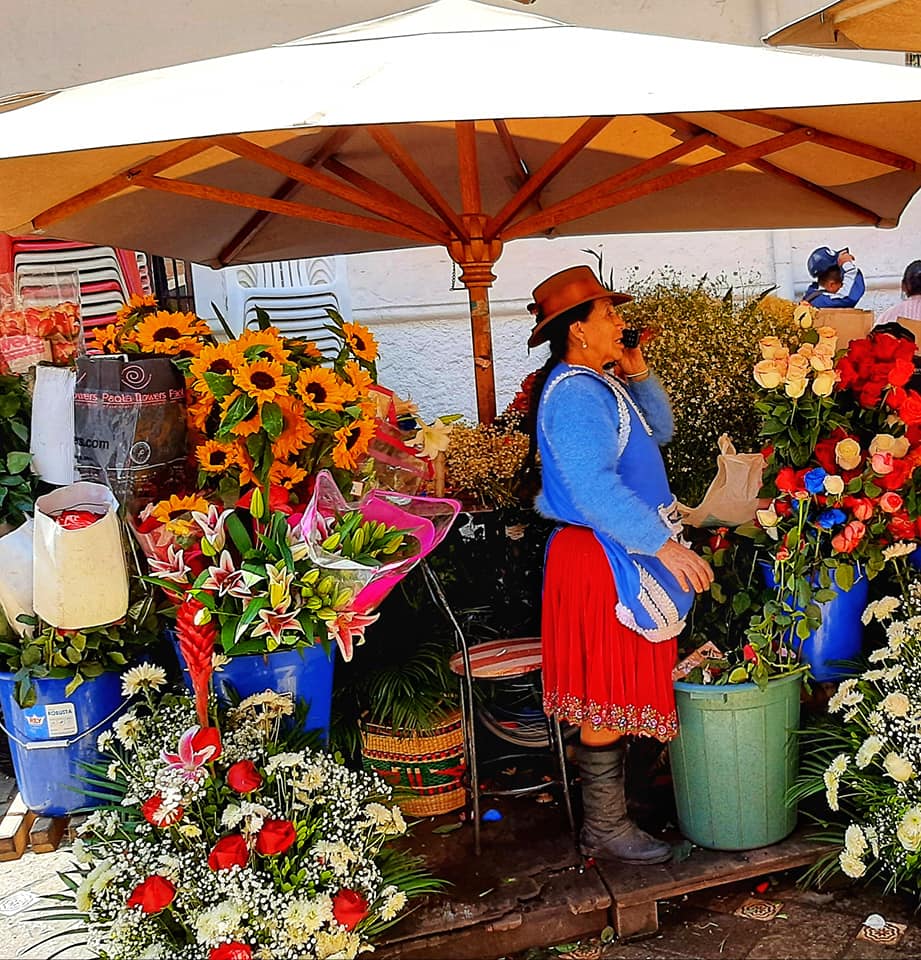
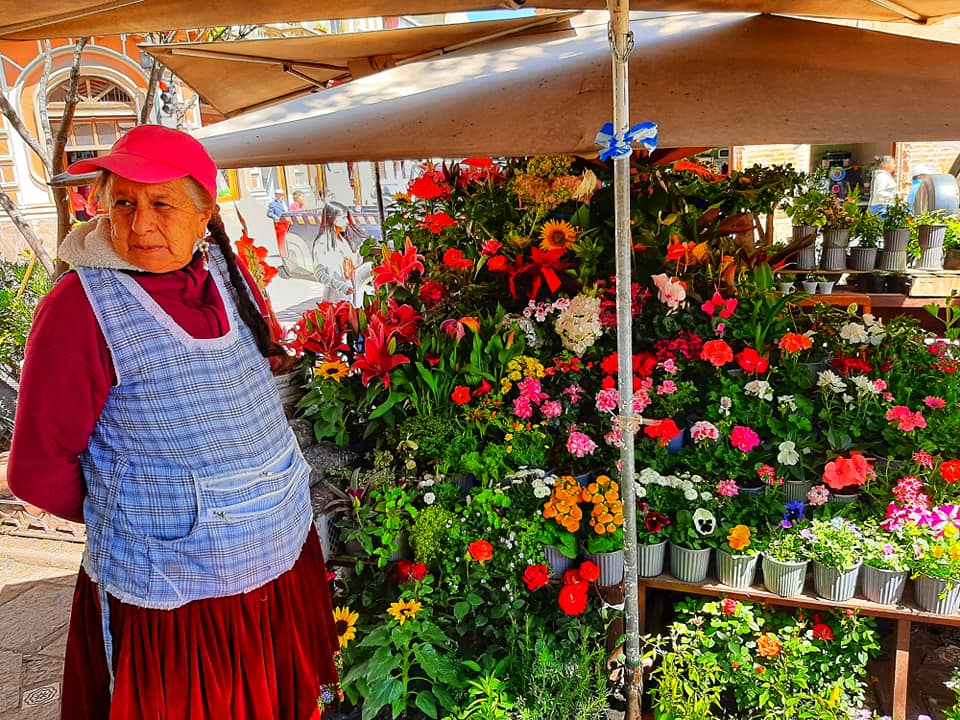
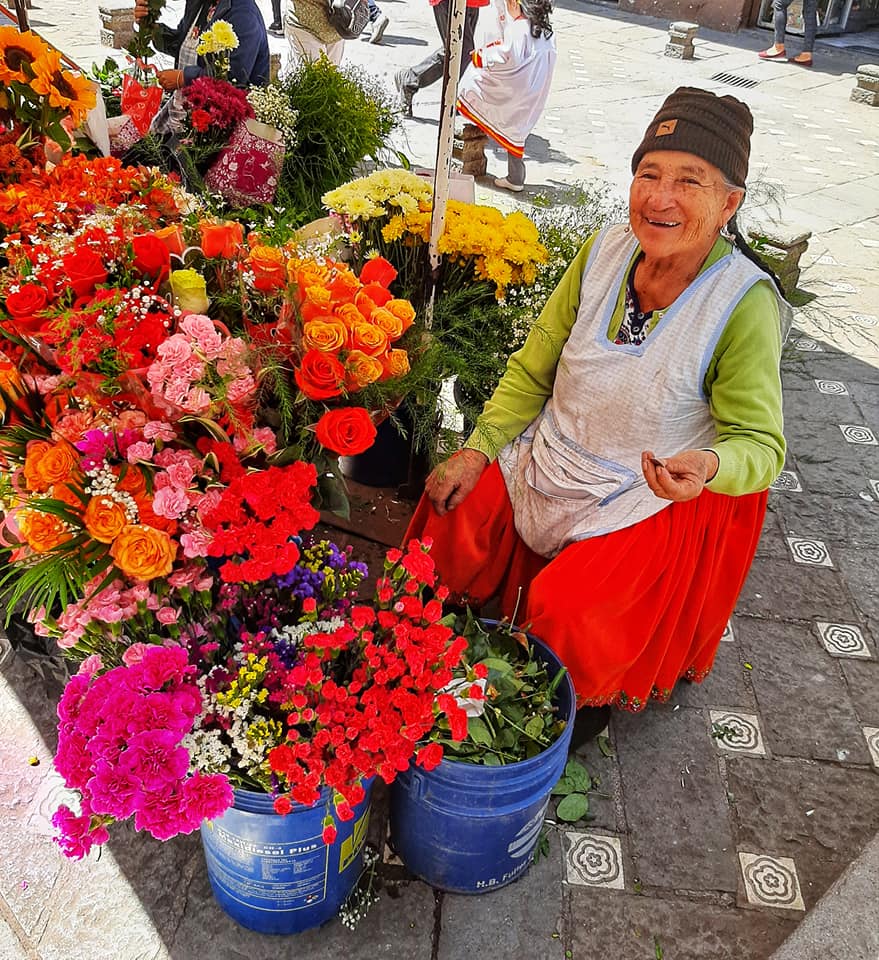
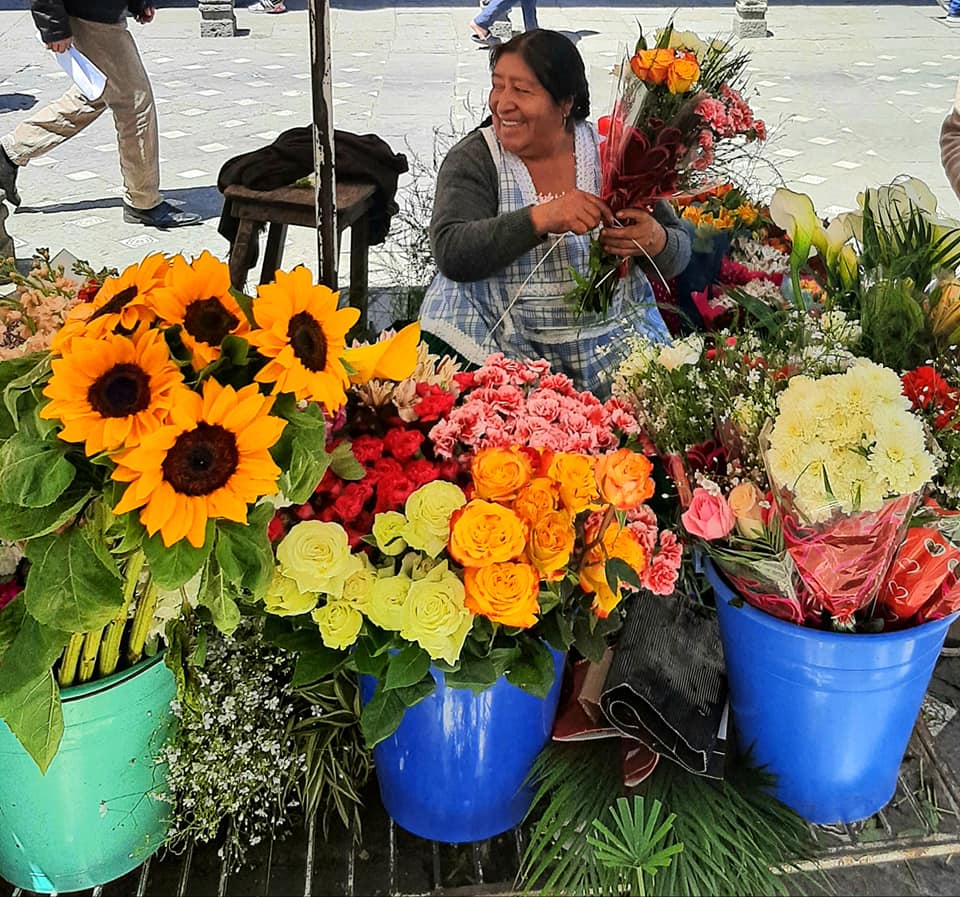
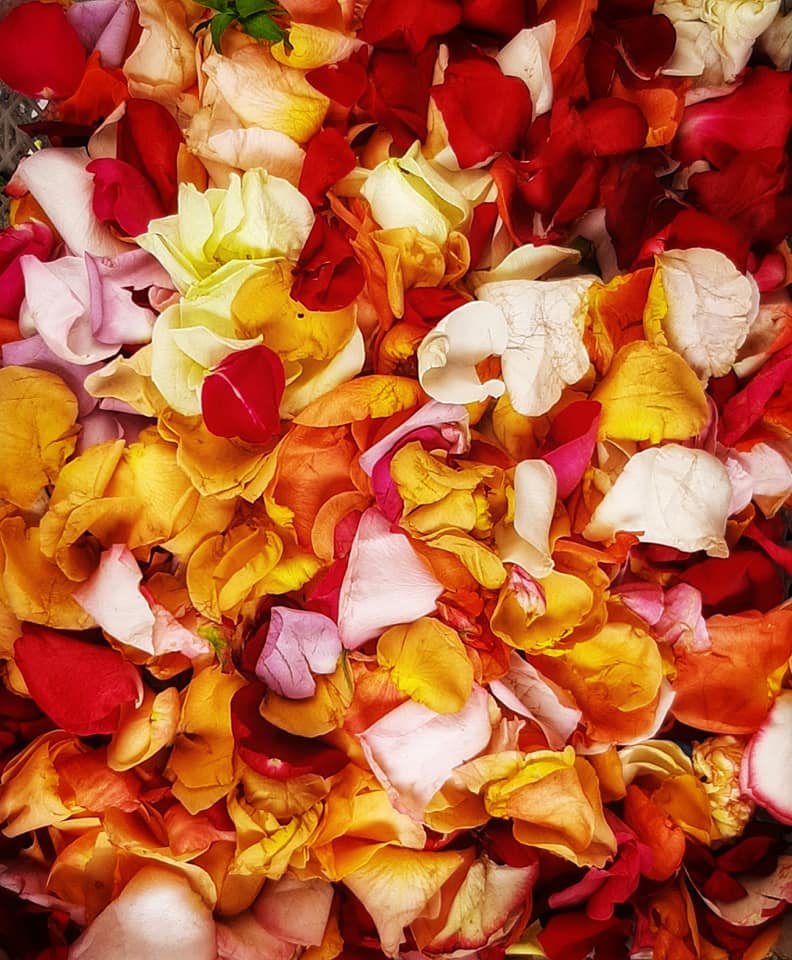
An extremely colorful plaza in front of the Santuario Mariano Church. National Geographic considers it one of the top ten outdoor flower markets in the world! 

The Flower Market, with no flowers. During the Coronavirus quarantine, May 2020.

The Flower Market at Night

Salon del Pueblo

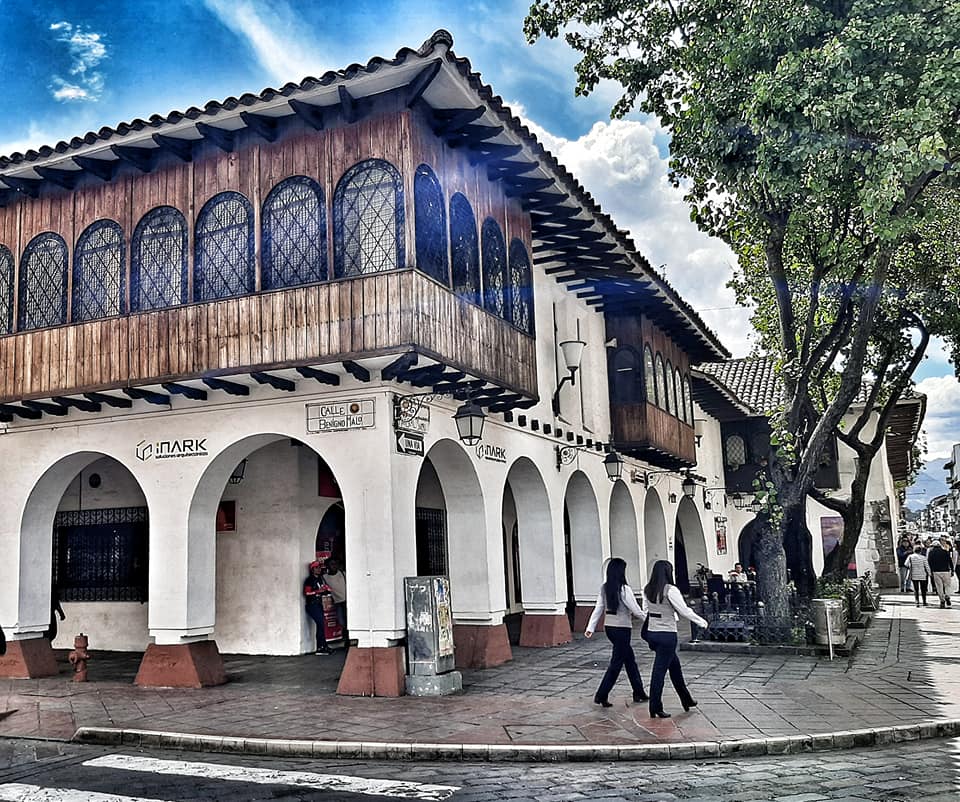
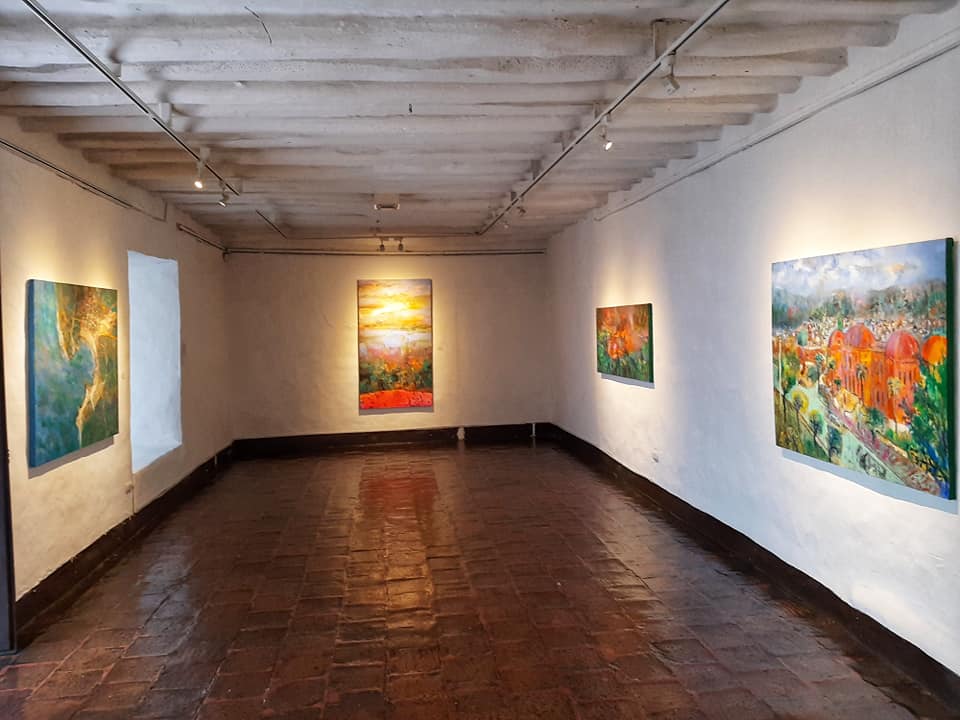
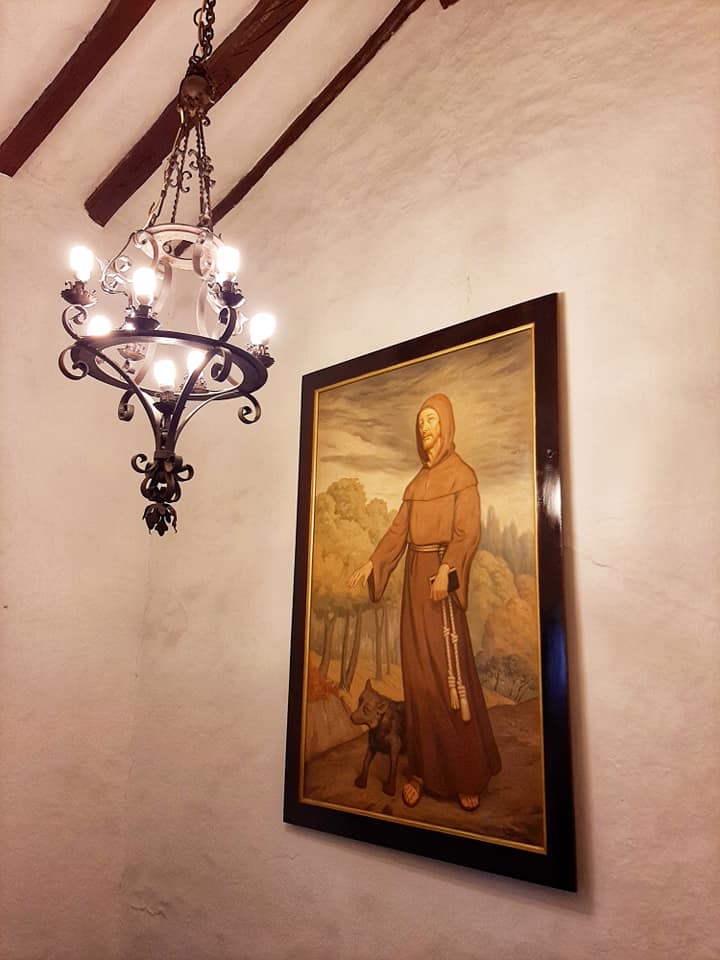
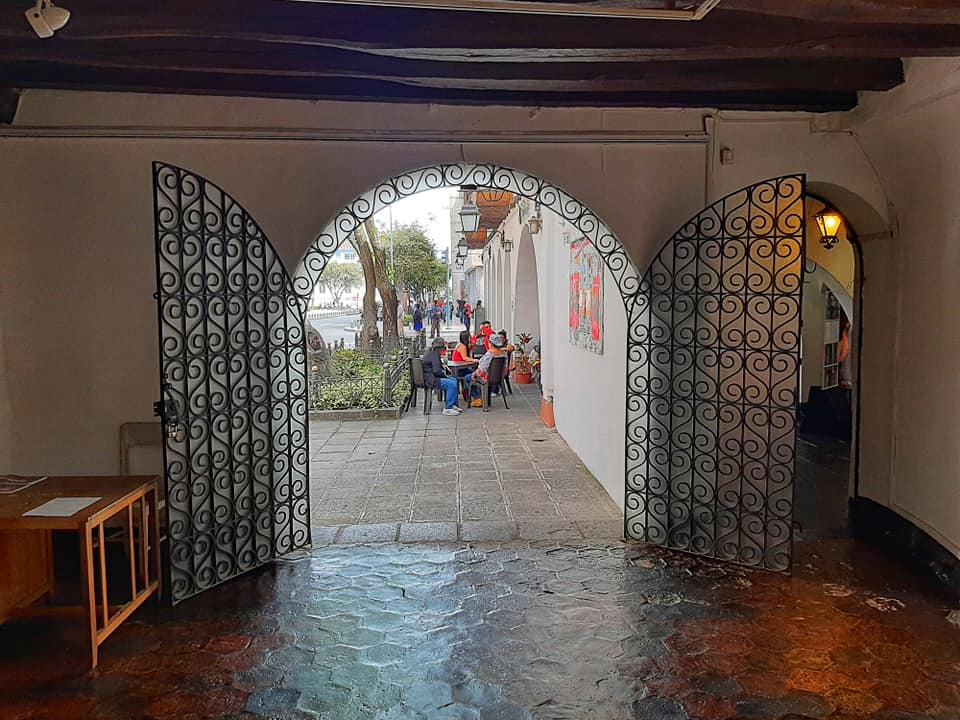
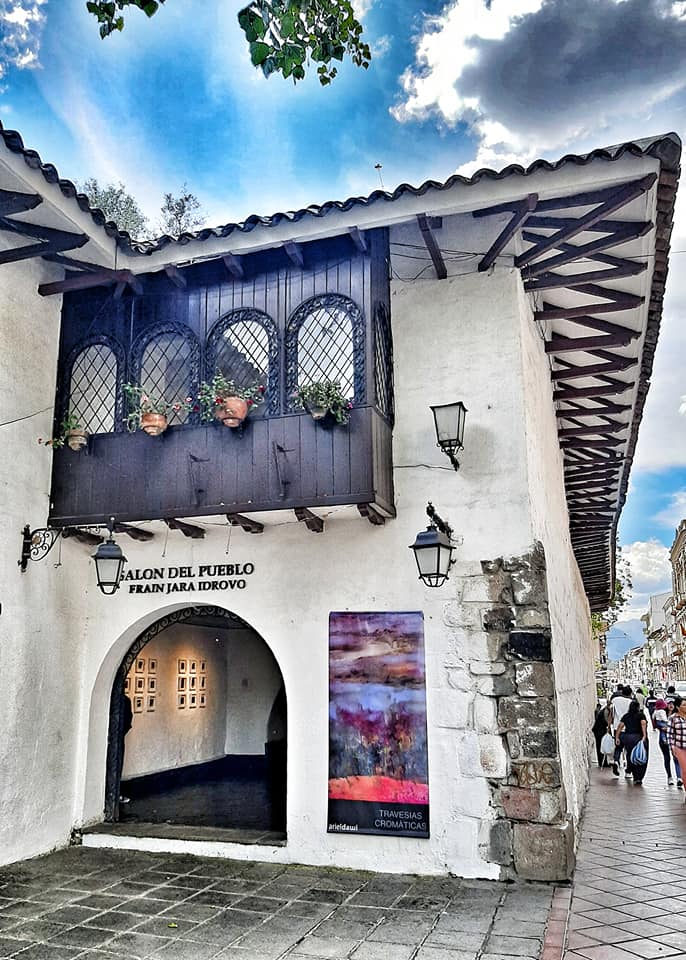
#16 Azuay Ecuadorina Culture Center – Salon Del Pueblo. Calles Mariscal Sucre and Benigno Malo.

The Carmen of the Assumption Convent formed part of this building for almost three centuries. In 1971 the Sisters of the Immaculate Conception decided to relinquish the corner section of the urban block they occupied and sold it to the Ecuadorean Culture Center. The new project was designed by the architect Patricio Muñoz Vega and included the restoration of the old building and the construction of a new building for commercial use.

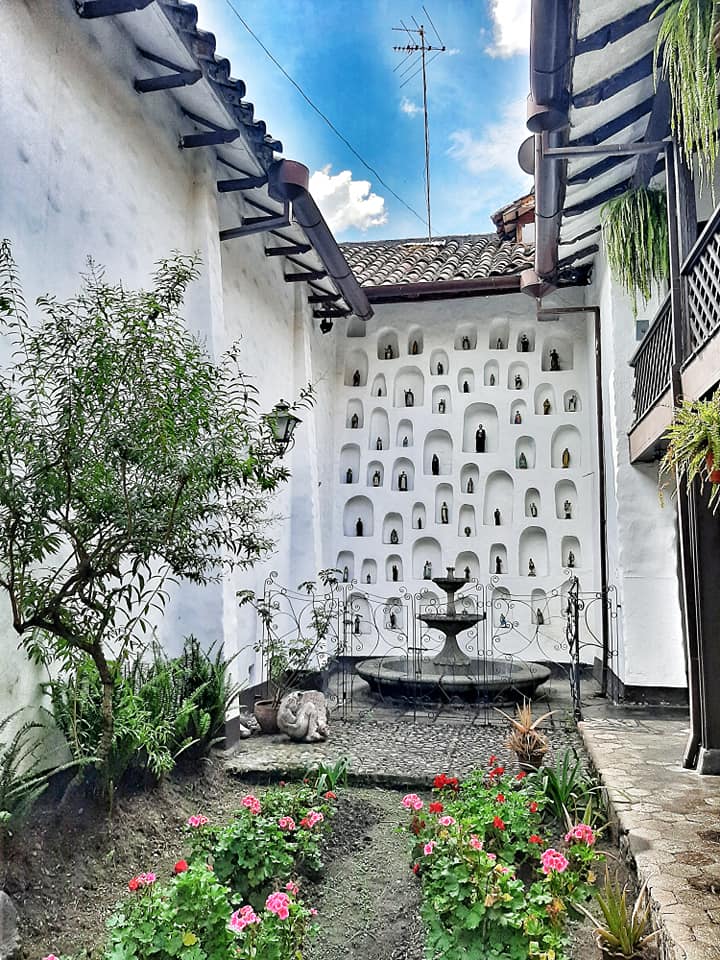
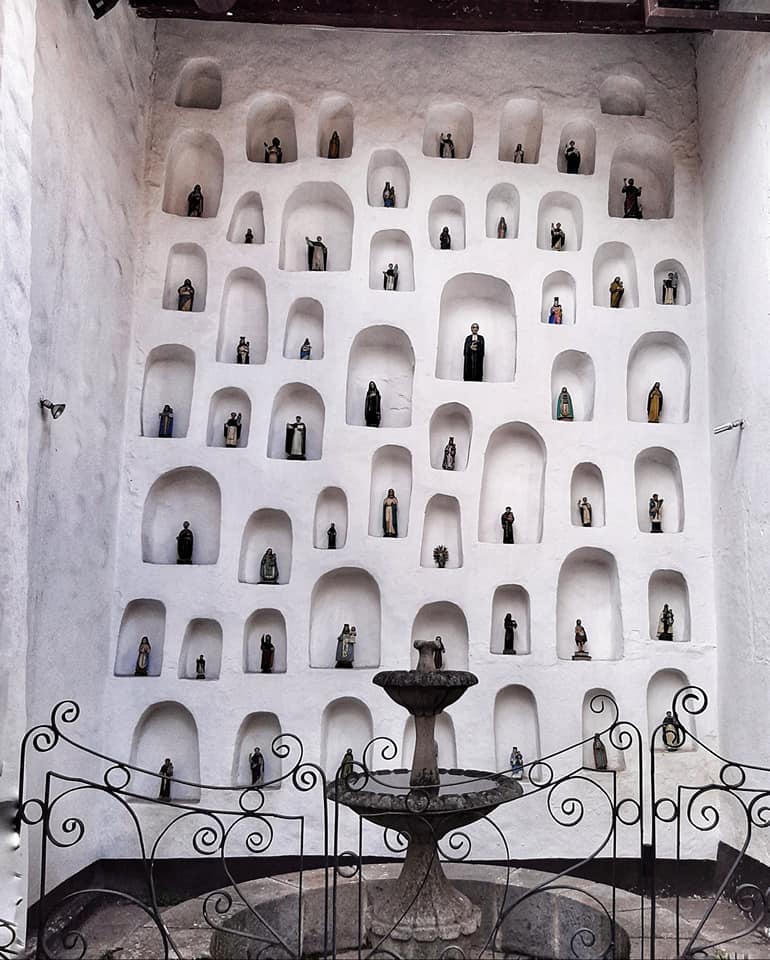
Thick windowless adobe walls surround the interior space containing a beautiful long narrow courtyard. Located at the rear is a stone-carved fountain and a wall with sixty niches dedicated to colonial saints, the tiny statues of which were commissioned by the Culture Center in 1972.

The space is used as a gallery for art exhibitions.

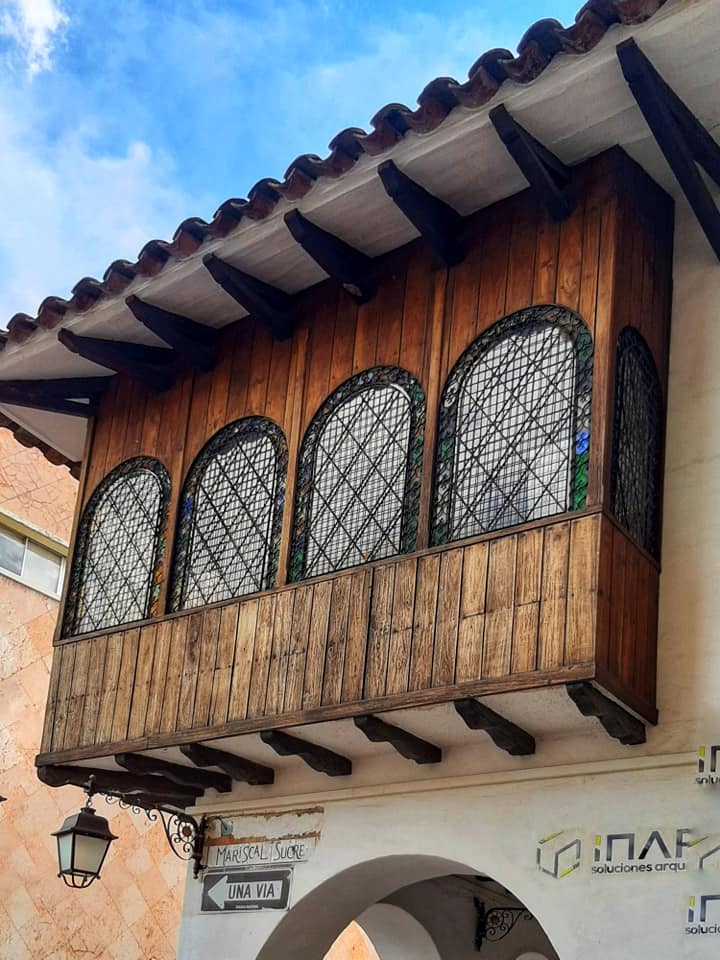
The windows are framed by semicircular arches, while the corner is distinguished by a continuous wooden balcony in the traditional Lima Style.

Corte Superior de Justicia

#15 Former University of Cuenca Building, present day Supreme High Court. Calles Mariscal Sucre and Luis Cordero.

The building was designed by Quito architect Francisco Espinosa Acevedo for the University of Cuenca in 1926-1929. It was sold by the University to the Supreme High Court in 1953. 

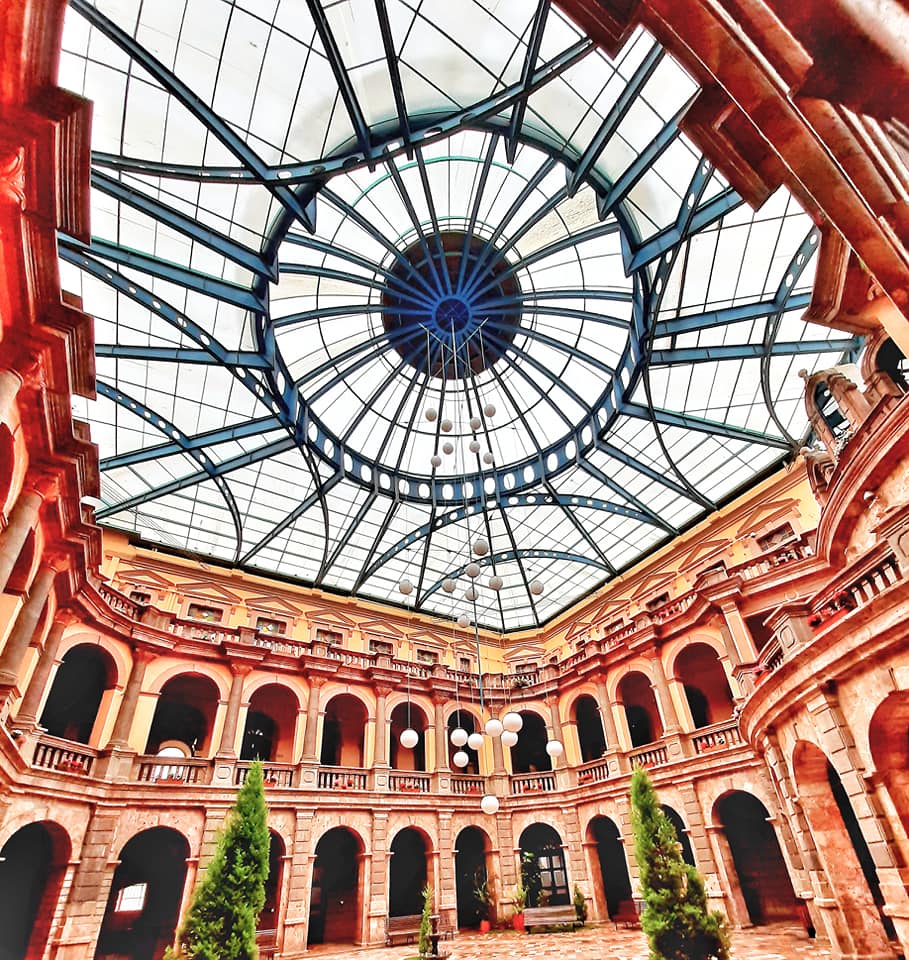
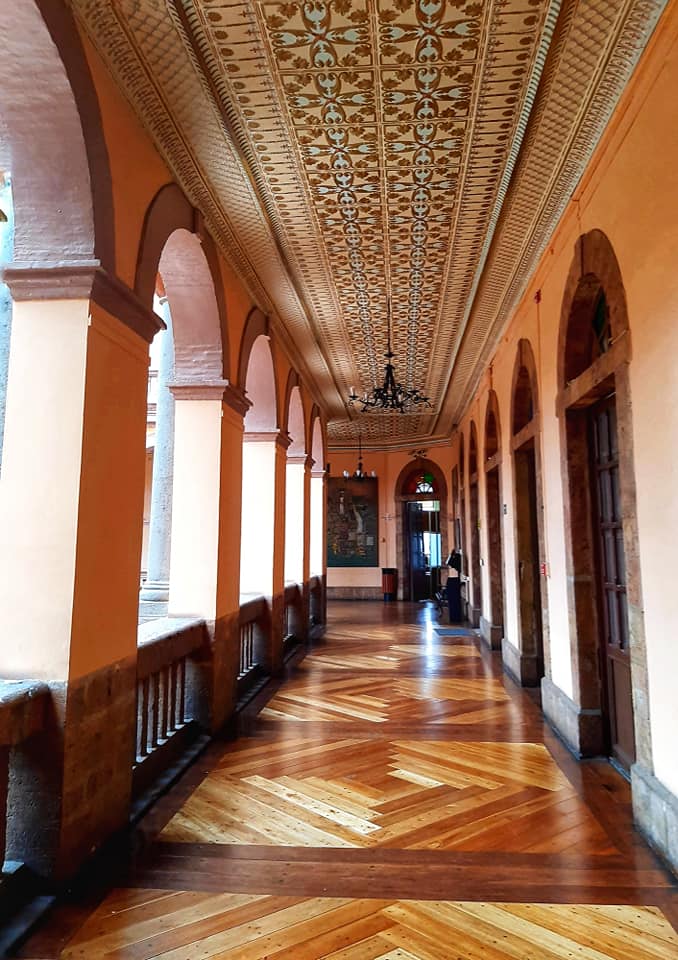
The thick walls are made of brick and finely worked marble. The polychrome brass of the ceilings was imported from France and the stained glass windows from Belgium.

Located beyond the entrance hall is a central courtyard, with interior spaces of three levels of porticoed galleries. The courtyard serves an additional function as the foyer to the old University Theatre known as the Sucre Theatre, which is also accessed from an alley-way off Sucre Street.

Catedral Vieja

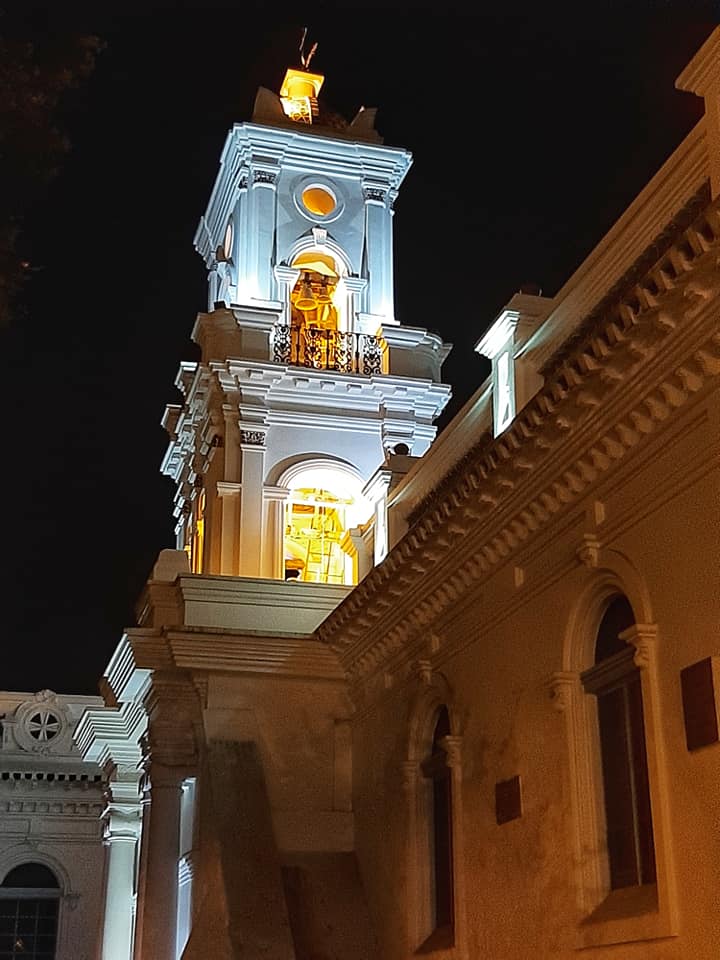
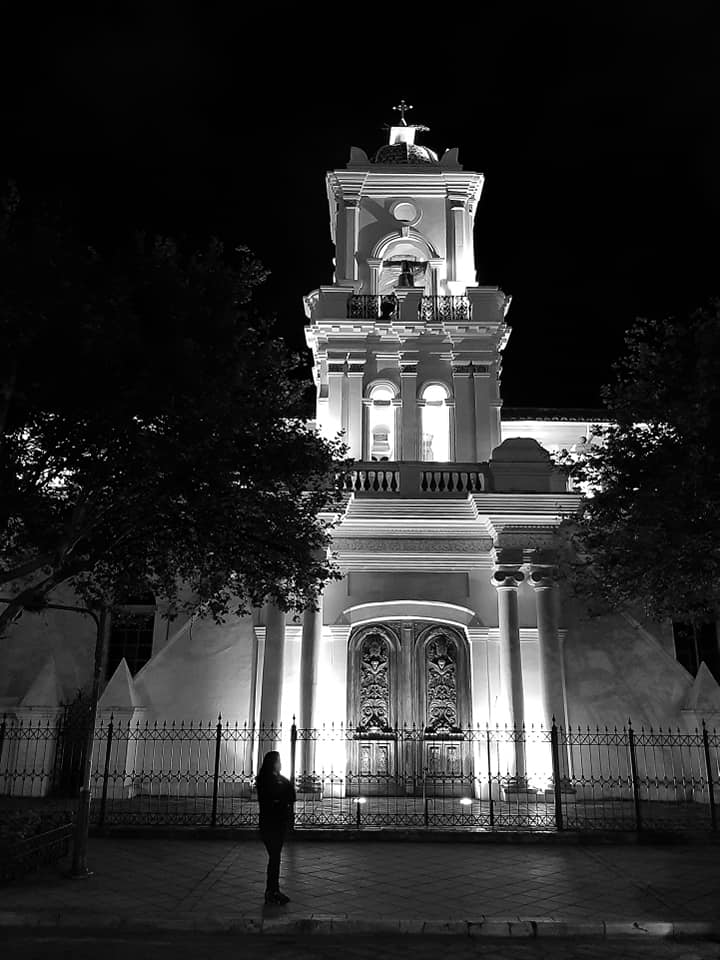
#14 Old Cathedral of Cuenca, Calles Luis Cordero y Mariscal Sucre

Construction commenced immediately after the Spanish foundation of Cuenca on April 12 1557, when Captain-Governor Gil Ramirez Davalos designated a block of land on the east side of the Main Square (present day Plaza Calderon) for the construction of a shrine. The walls are of adobe with Inca stone foundations extracted from the ruins at Pumapungo.

The church was erected thanks to the “mingas” system. By 1573 the church, with its altars and chapels was finished. The master builder was the carpenter Francisco de San Miguel, although other builders also participated as the present day church is the result of a series of alterations, extensions and renovations.

The tower standing today was designed by Colonel Francisco Eugenio Tamariz in 1867 and is of brick construction.

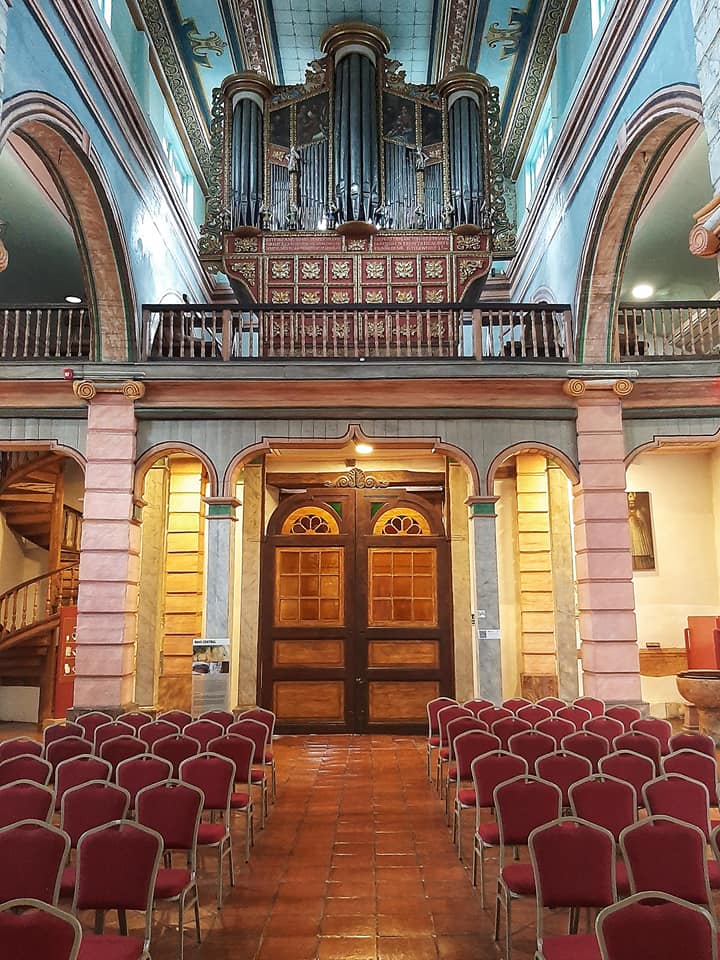
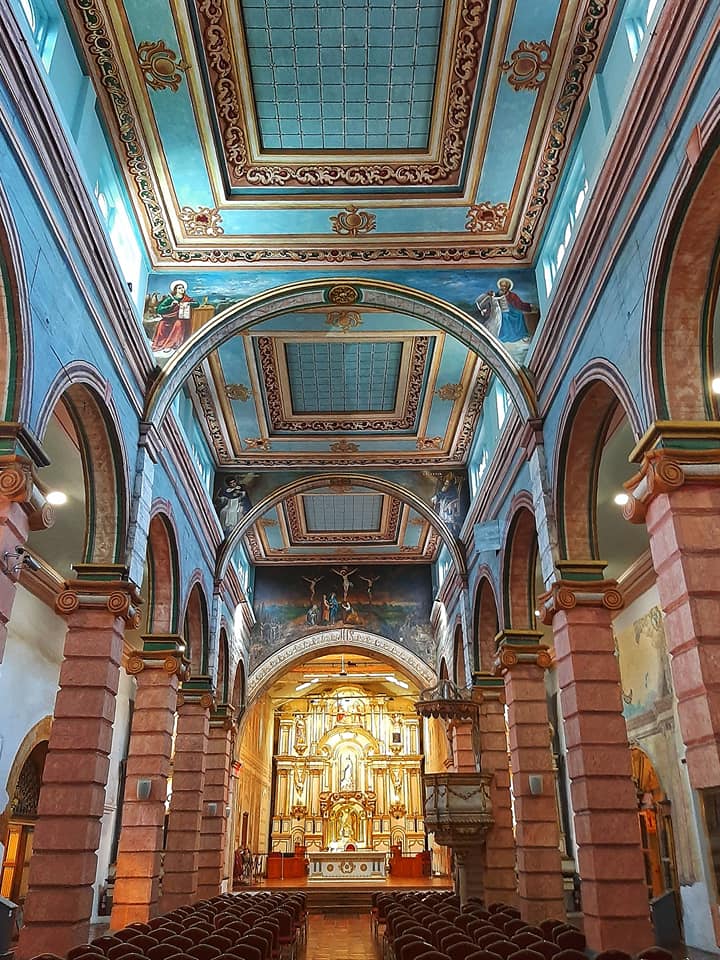
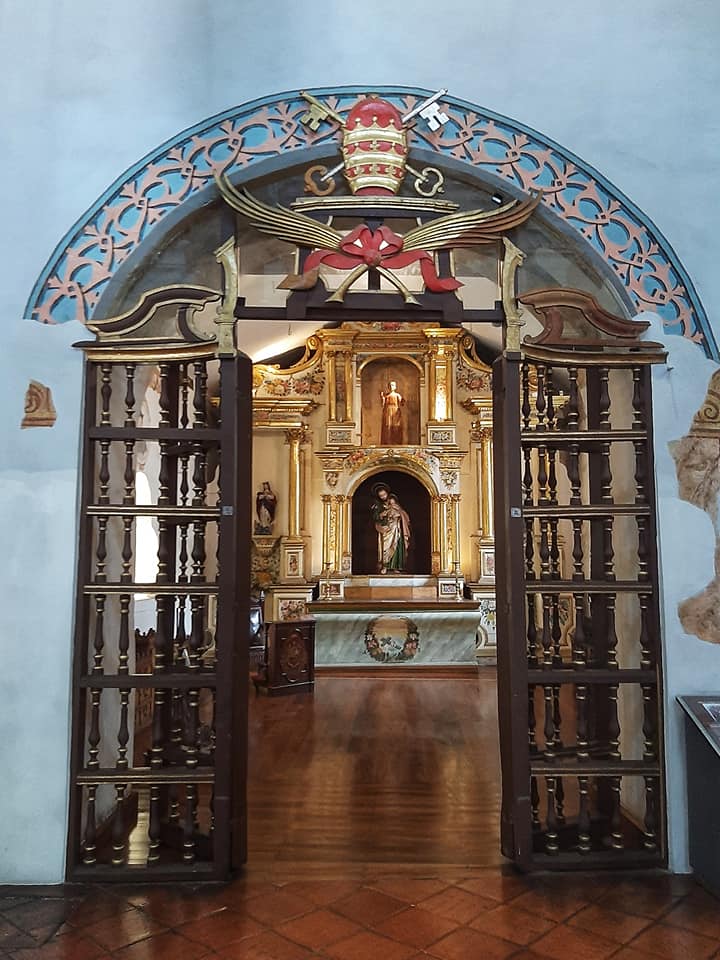
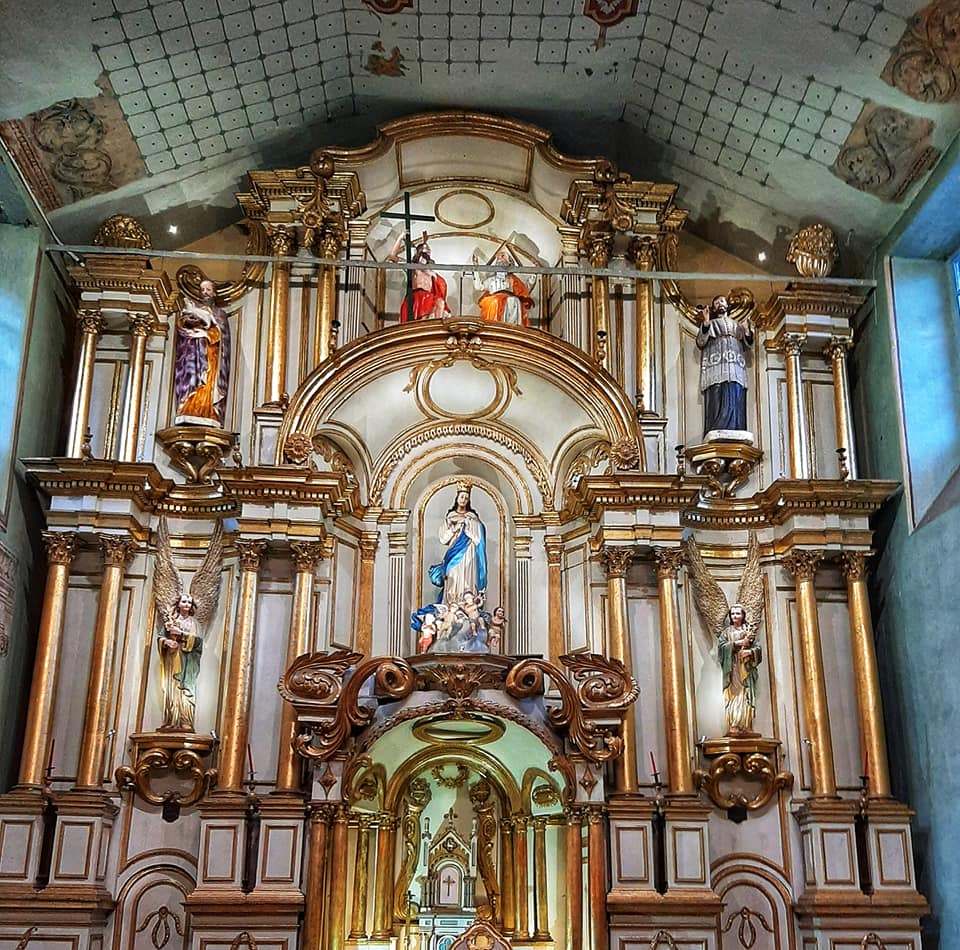
The pulpit inside the cathedral is the work of the local sculptor Gaspar Sangurima and was made in 1817. The choir is accessed via a spiral staircase built in 1823. On the right aisle, accessed their own archways, are three private chapels belonging to wealthy families of the time.

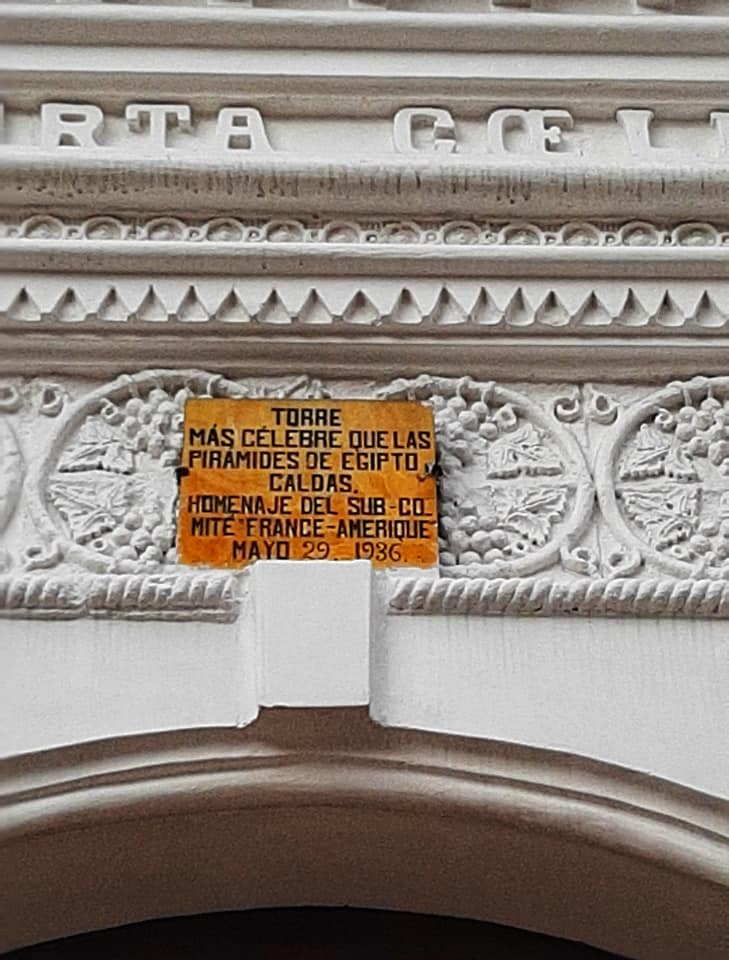
This marble plaque over the south door of the cathedral reads ” This tower is more famous than the Eygptian pyramids.”. The old tower was used by the French Geodesic Mission as a key reference point in 1736, which determined the arc of the meridian.

It was the custom of churches in the 16th century to sell graves inside the church, so that important and religious people could be closer to God. This is the cover of the Crypt.

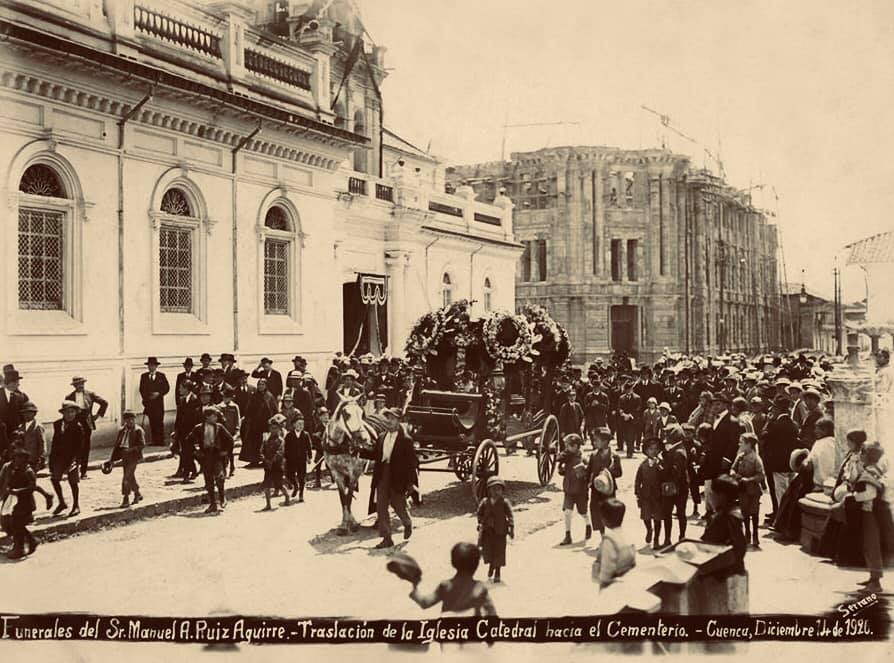
This might be one of the oldest photos of El Centro Cuenca, showing the Old Cathedral on the east side of the Plaza – circa 1870’s.

In 1779 the diocese of Cuenca was created and the local clergy became interested in building a new cathedral. As a result, the church fell into a state of neglect on several occasions as all the available funding was allocated to the new building. After a major renovation that started in 1999 the Old Cathedral serves today as the “Museum for Religious Art” and a venue for concerts and cultural events.


The date on the bell is 1681.

Parque Calderón

#13 Calles Benigno Malo y Sucre

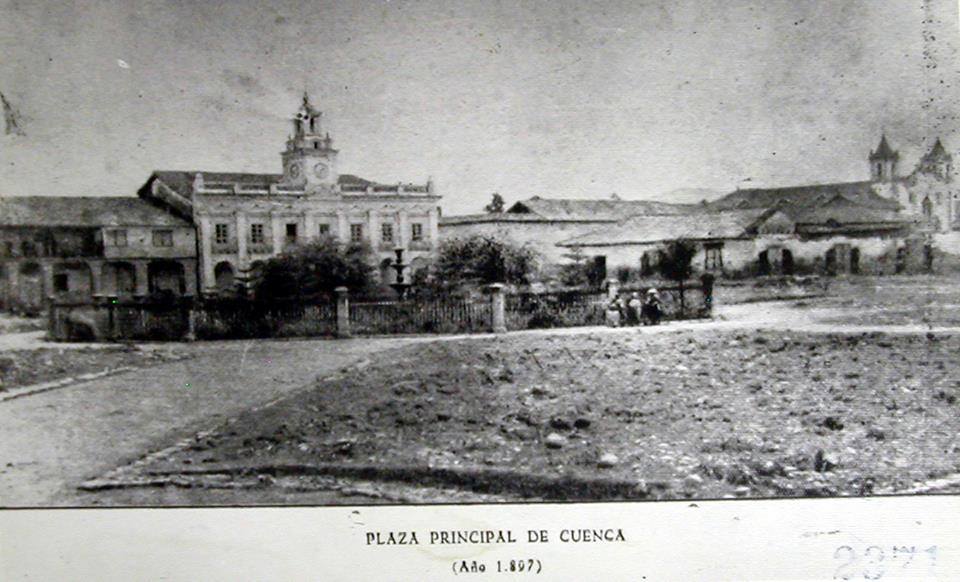
Construction commenced immediately after the Spanish foundation of Cuenca on April 12 1557, when Captain-Governor Gil Ramirez Davalos designated a block of land on the east side of the Main Square (present day Plaza Calderon) for the construction of a shrine. The walls were of adobe with Inca stone foundations extracted from the ruins at Pumapungo.

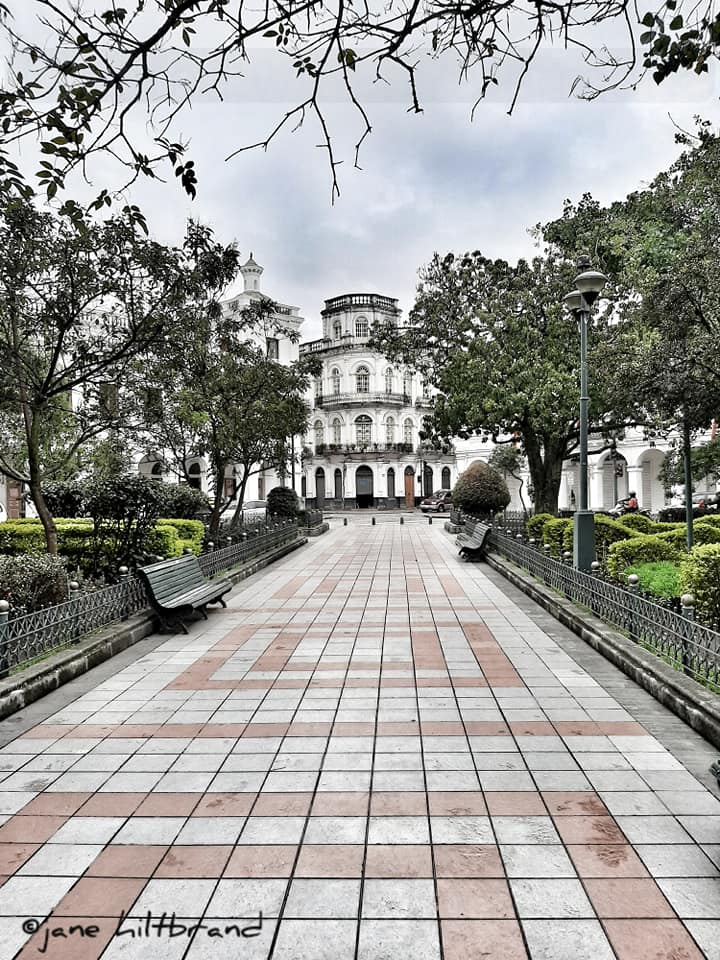
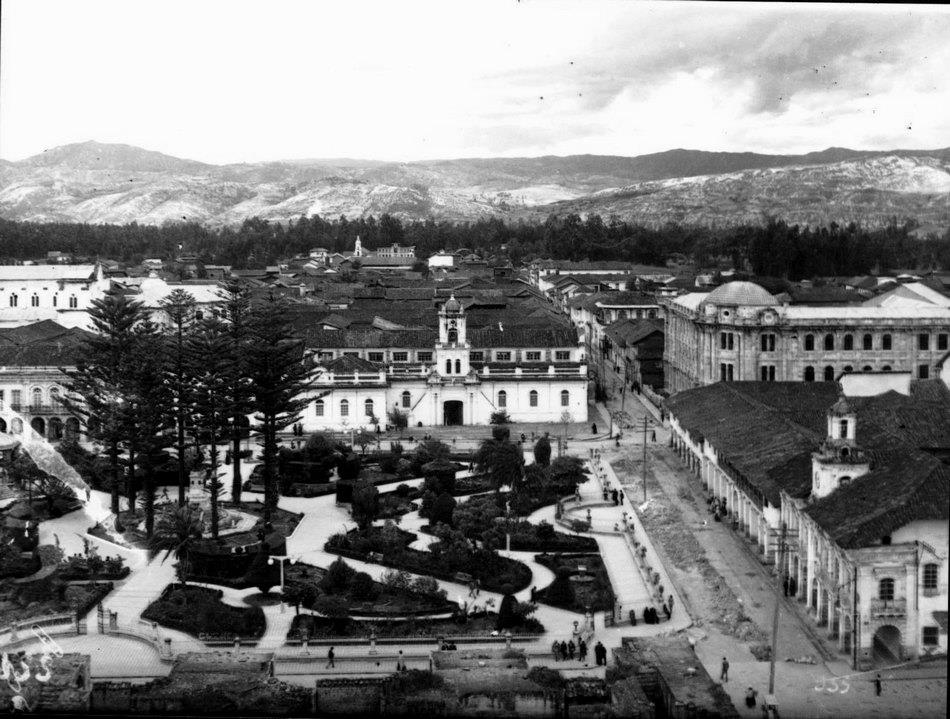
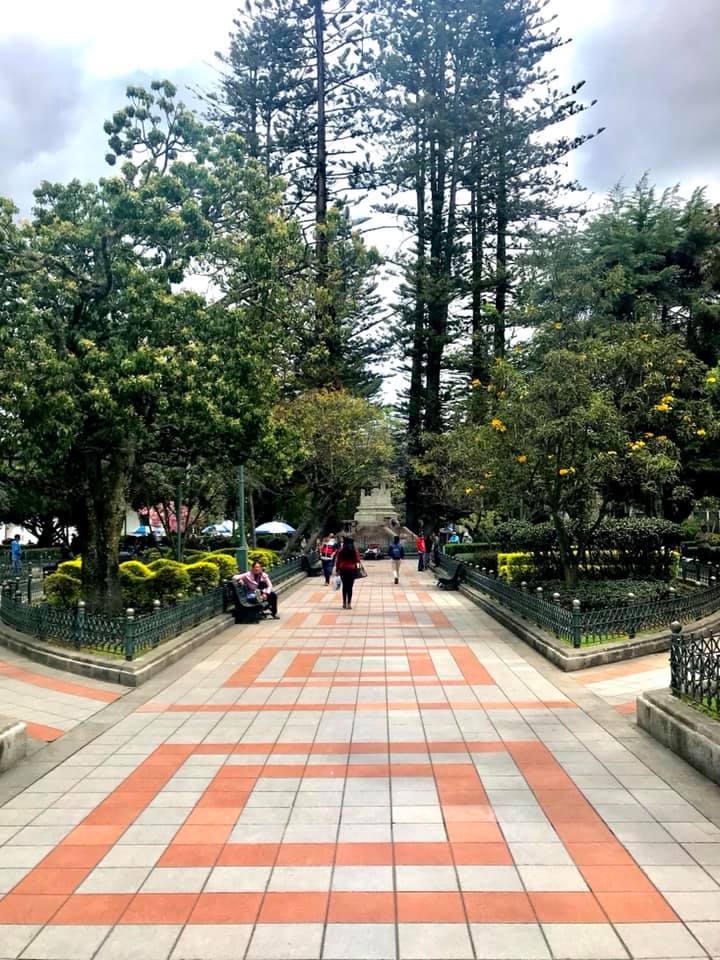
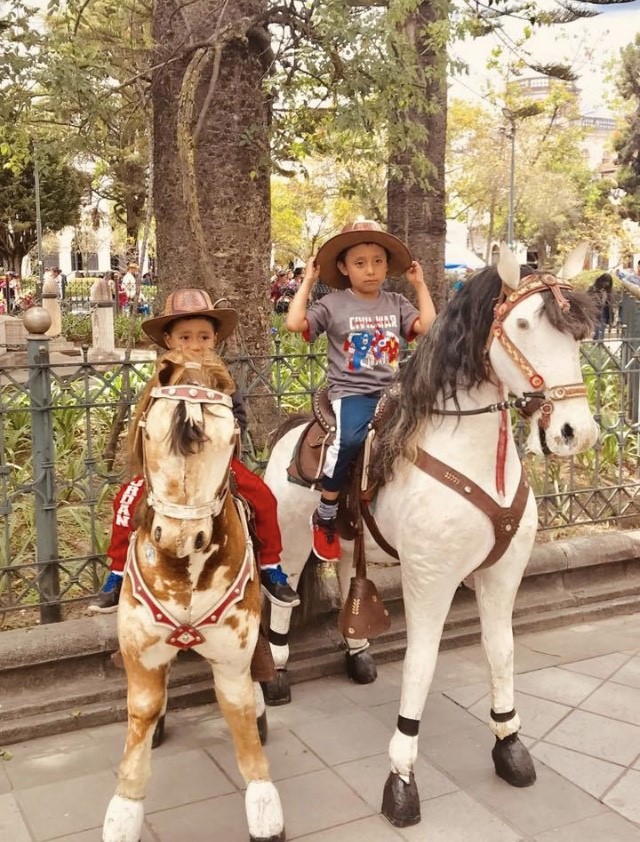
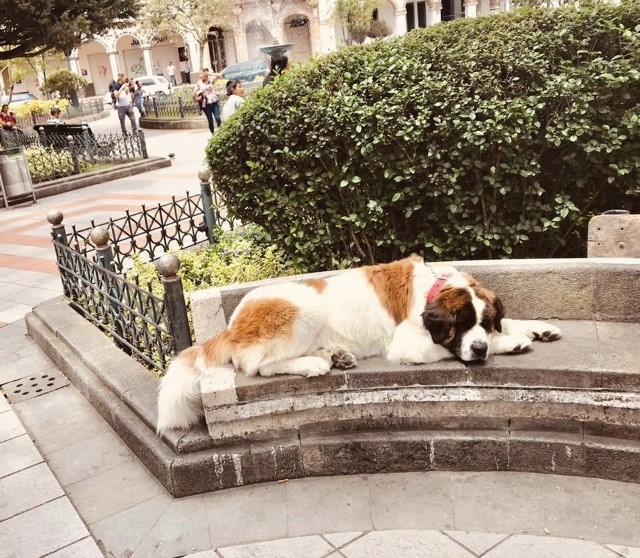
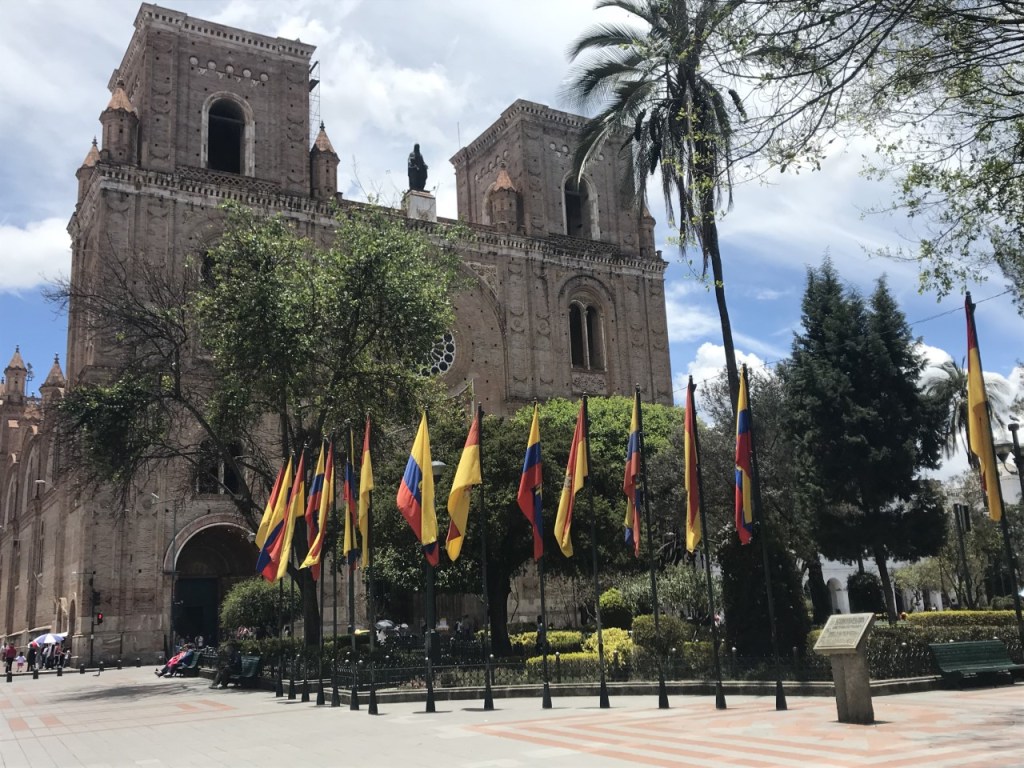
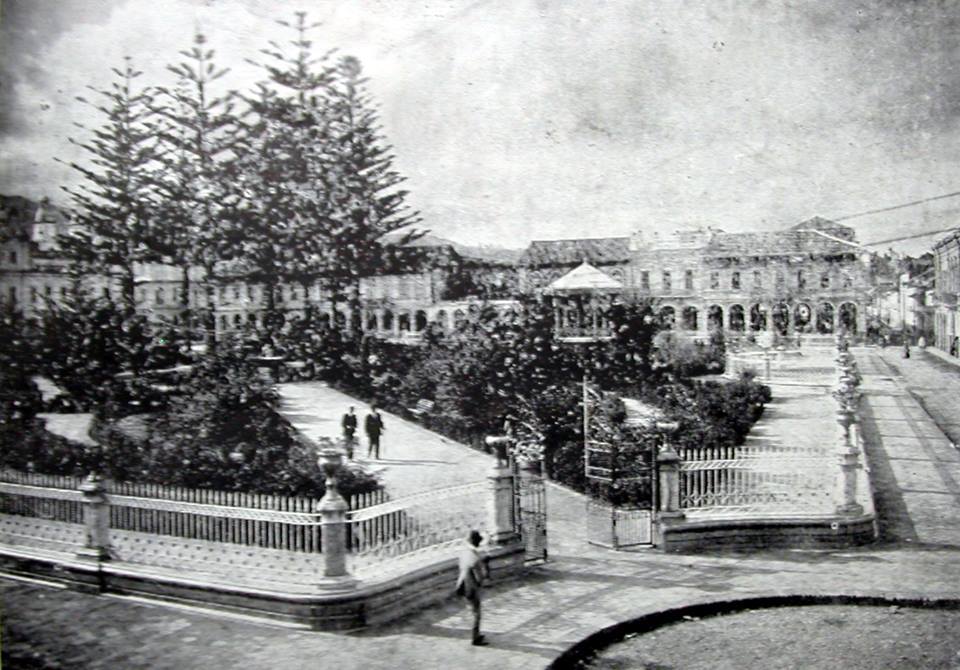
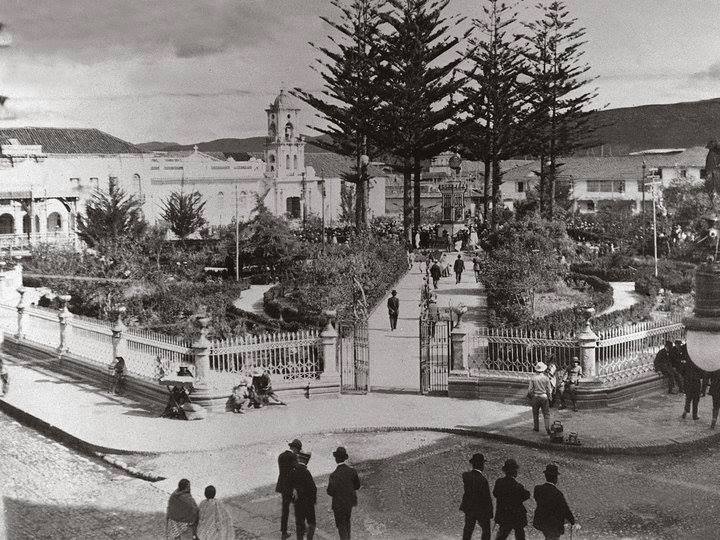
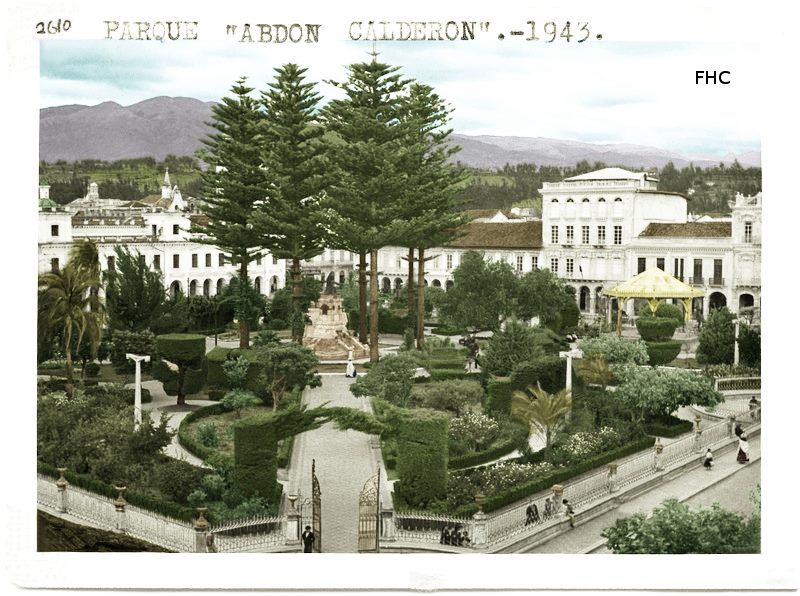
The square serves as the setting for many of the city’s major events, including traditional festivals, and parades. It is also a great spot for people-watching! In 2001 the square was again remodeled including the flower beds, a bandstand, and redesigned lamp posts. The new square reopened in March 2002.

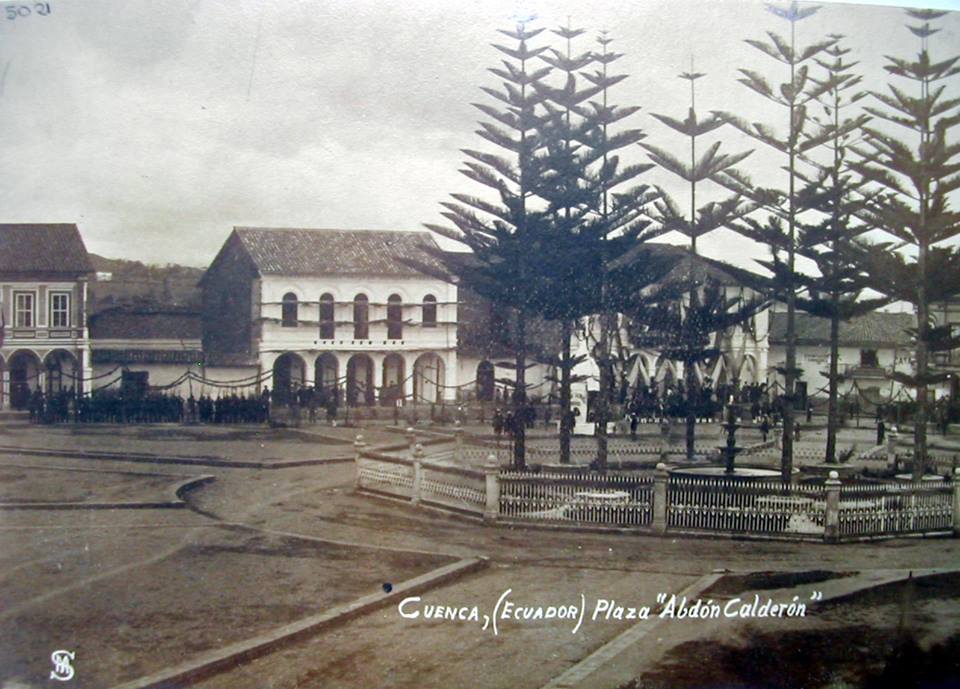
Around 1920 the city commissioned Octavio Cordero Palacios to remodel the square. He was the architect of the present-day geometric patterns.

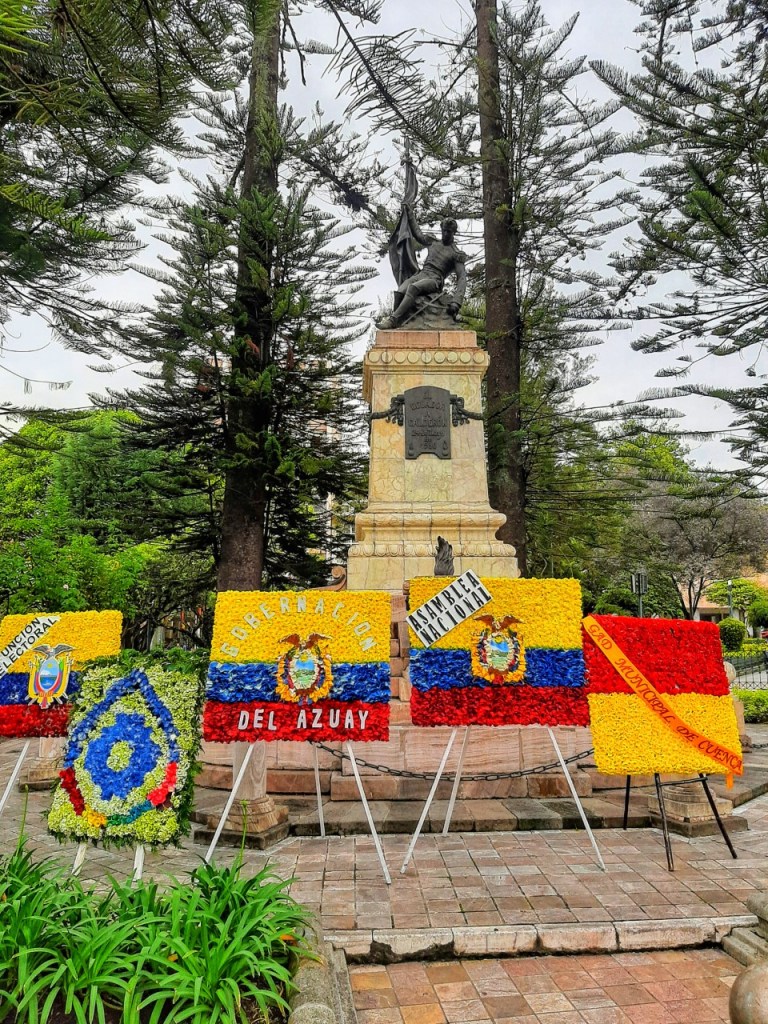
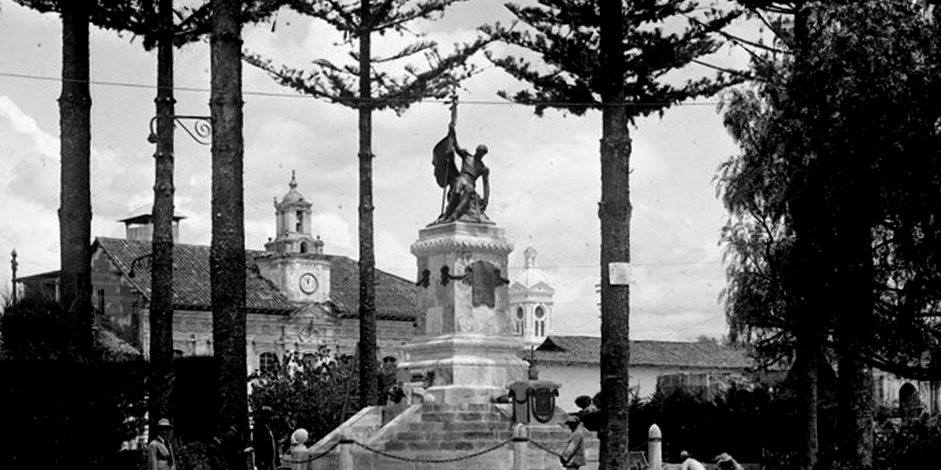
In 1920, to commemorate the centenary of the country’s independence, the square was renamed Abdón Calderón as a tribute to the young hero who fought in the Battle of Pichincha in 1822. Abdón Calderón was born in Cuenca in 1804. Only 18 years old during the Battle of Pichincha, despite having received four bullet wounds, he continued in battle, encouraging his entire battalion, and continuing to carry the flag. He died soon after the battle from his wounds, and is always remembered for his bravery. The statue was erected in 1931, designed and cast by the sculptor Carlos Mayer in Rome.

In 1875 Luis Cordero Crespo who became president of the republic, imported the Chilean pines planted at the center of the park around the monument to Abdón Calderón. These trees adapted so well to the climate that they became the giant specimens they are today.