The GM Palace

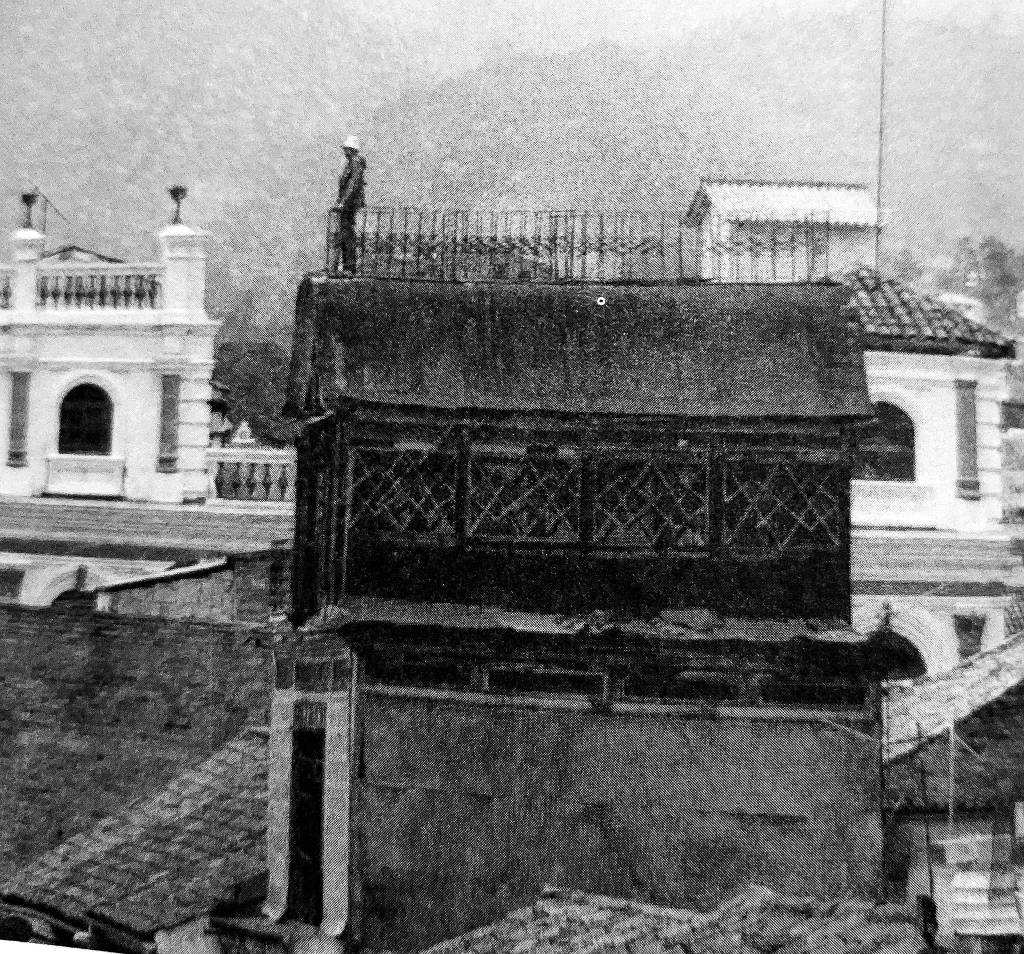
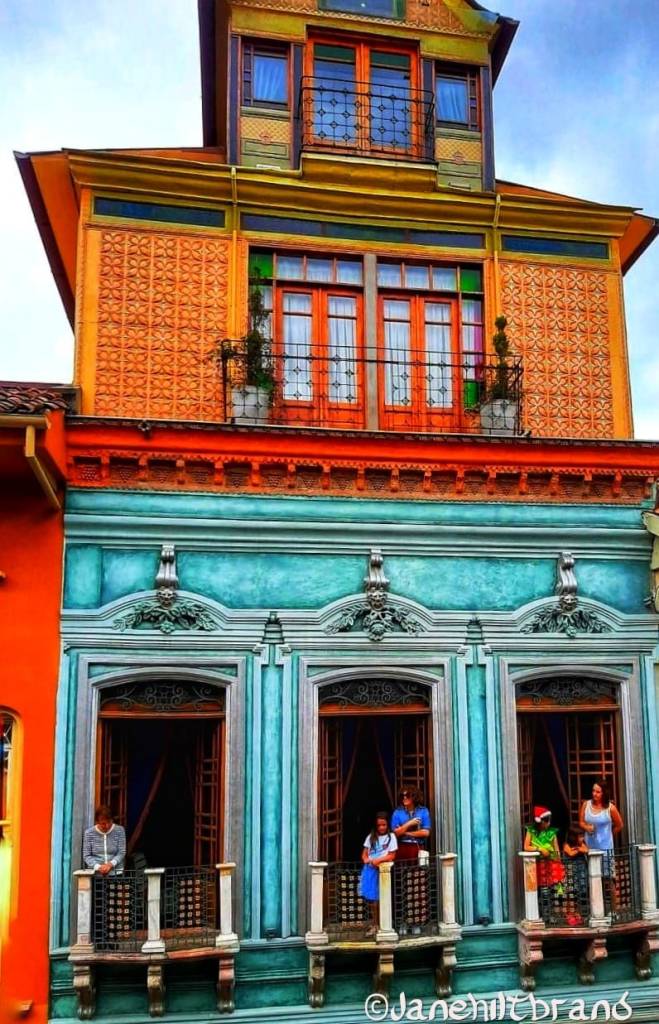
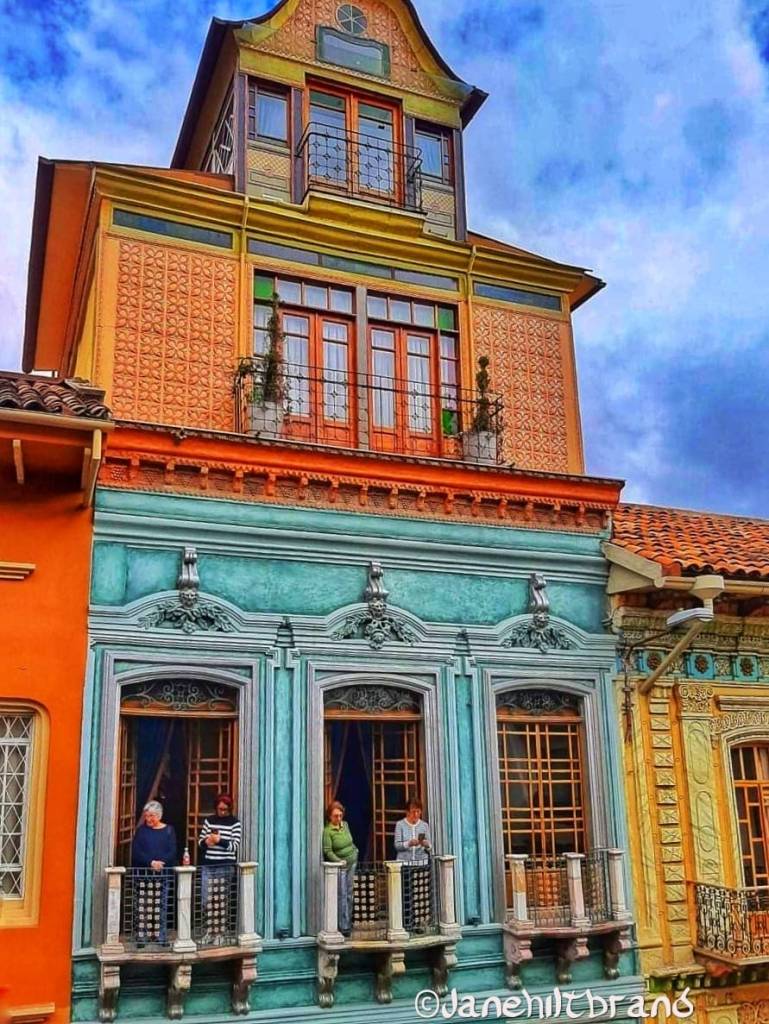
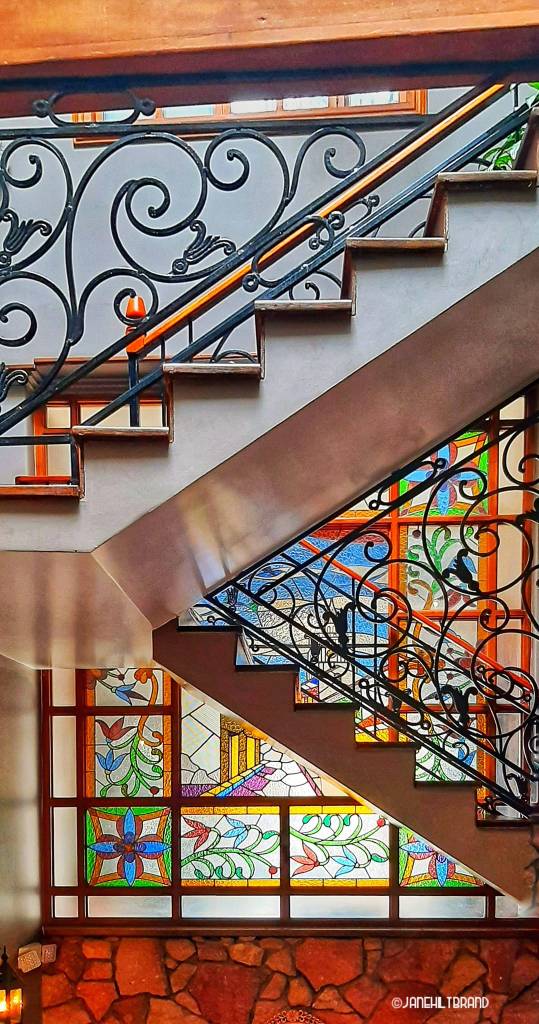
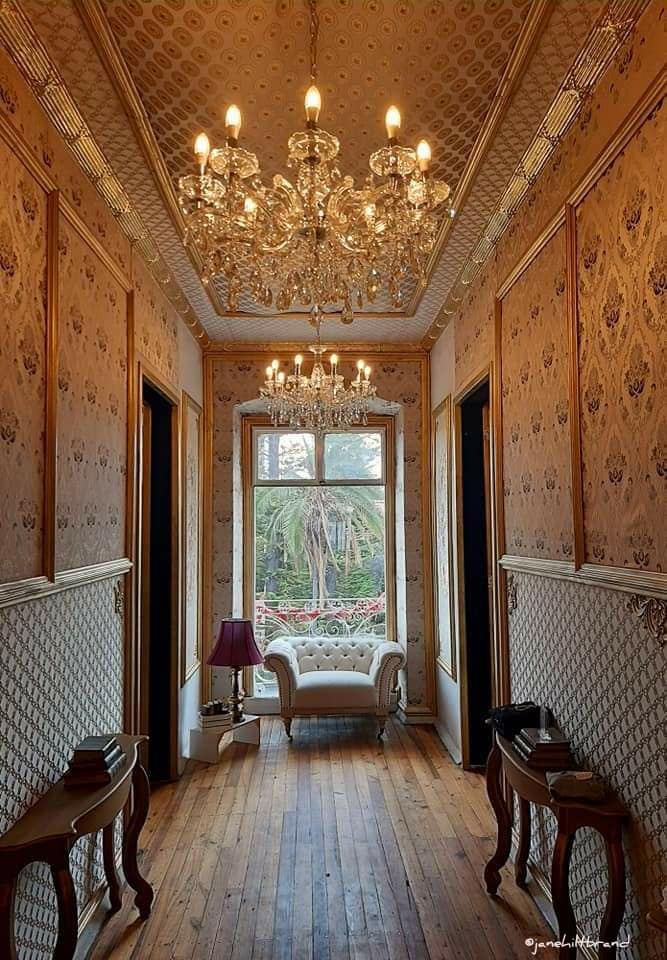
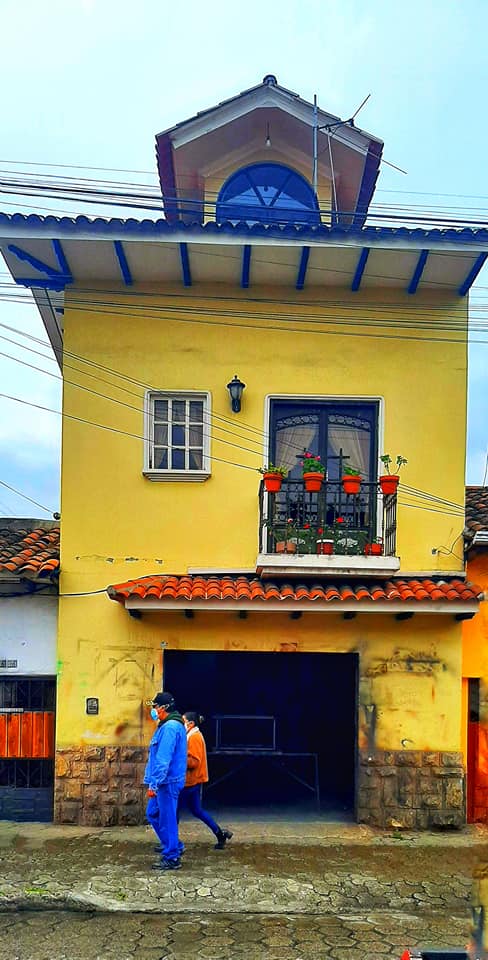
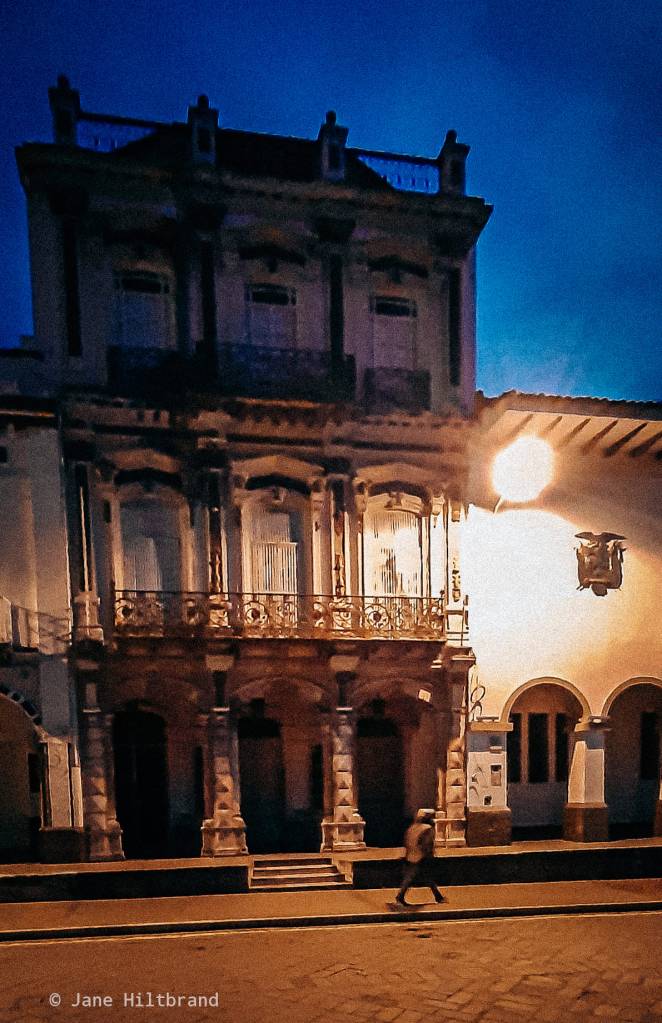
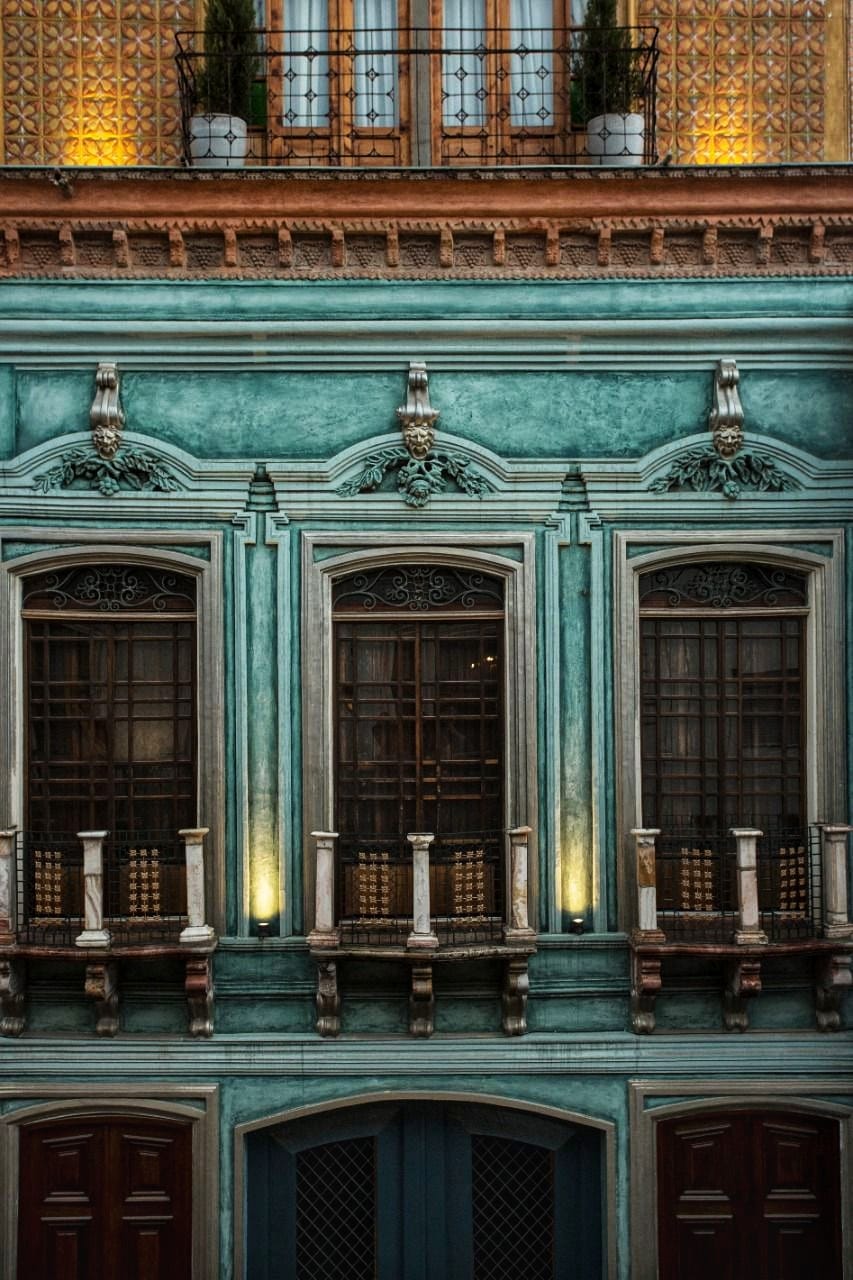
This spectacular Cuenca Patrimonial home was built in 1890 by the Cuencano poet Ernesto Lopez Diez, inspired by a trip he took to France, and designed in the french style of the early 1900’s.   Ernest Moscoso (Gustavo Moscoso’s father) bought the house in 1995, intending to restore it.  After his father’s death, when Gustavo was only 19, the house was closed up for 15 years.

The house belonged to the Moscoso family for more than 30 years, but it was not until 2014 that they began the meticulous process of restoration
The house has four levels.  There is a car park on the ground floor which used to be a vegetable garden.  Also on the ground floor are offices and design spaces for Gustavo’s fashion business.  

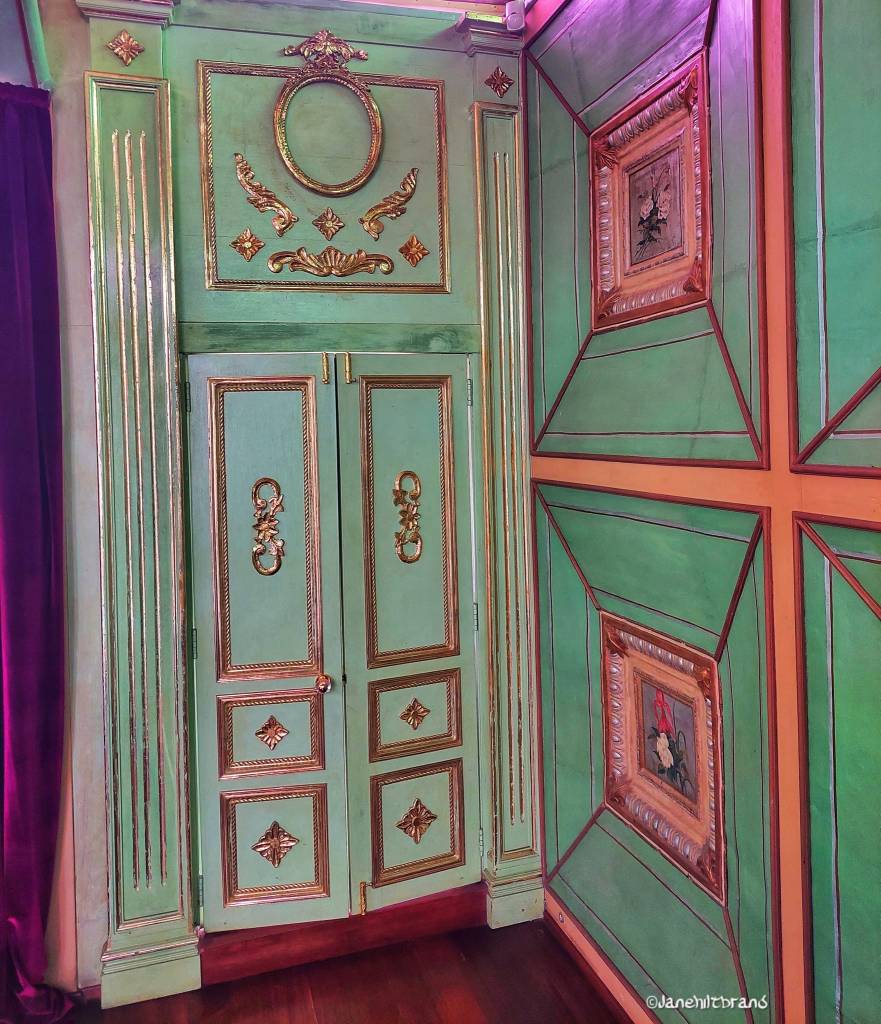
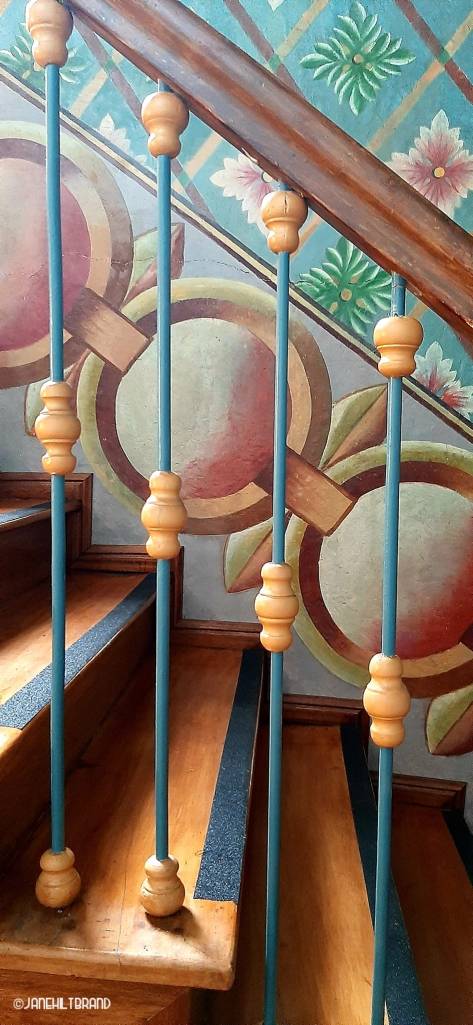
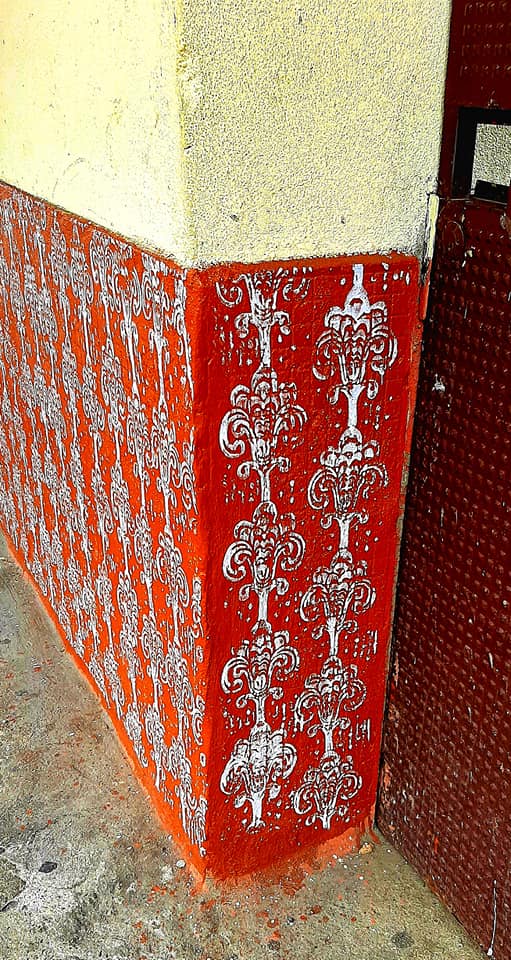
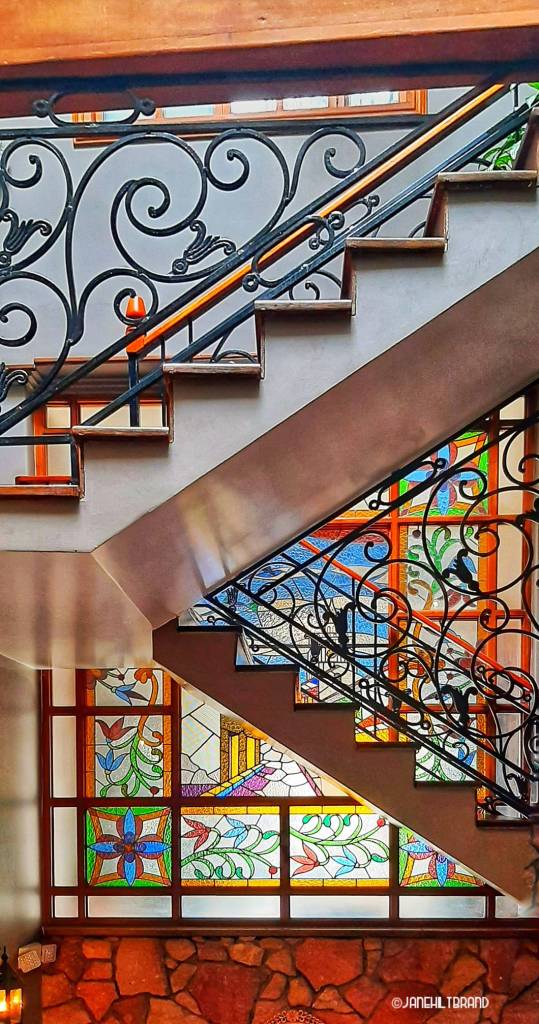
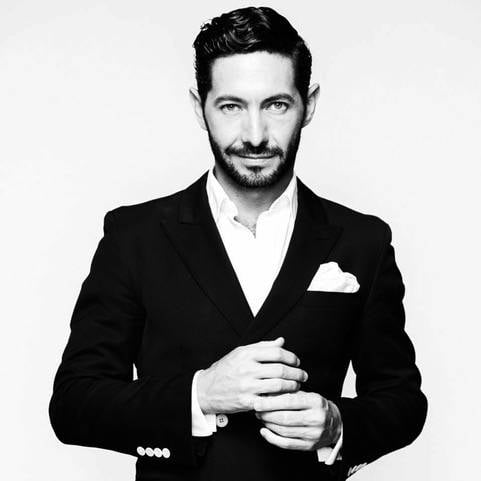
Gustavo Moscoso, is a famous Ecuadorian fashion designer.  He began the restoration of his family’s home in 2014, along with his sister May. (GM Palace stands for Gustavo and May) They maintained the architectural elements and hand painted murals of the style from when the house was built.  They researched the history of the house, and of its architect, Ernesto Lopez Diez, the first owner.  But in the interior decoration they made some changes, and mixed styles.  For Gustavo it was really important to rescue and renovate the existing home, but at the same time keeping its usefulness up to date.  It is a dazzling timeless combination of old and new.  

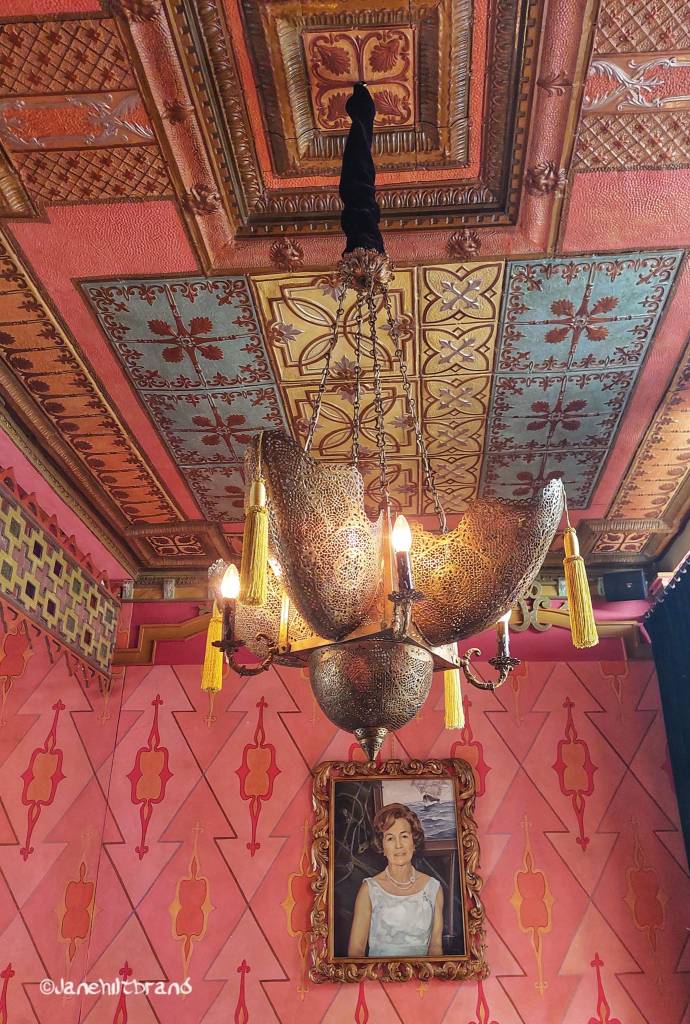
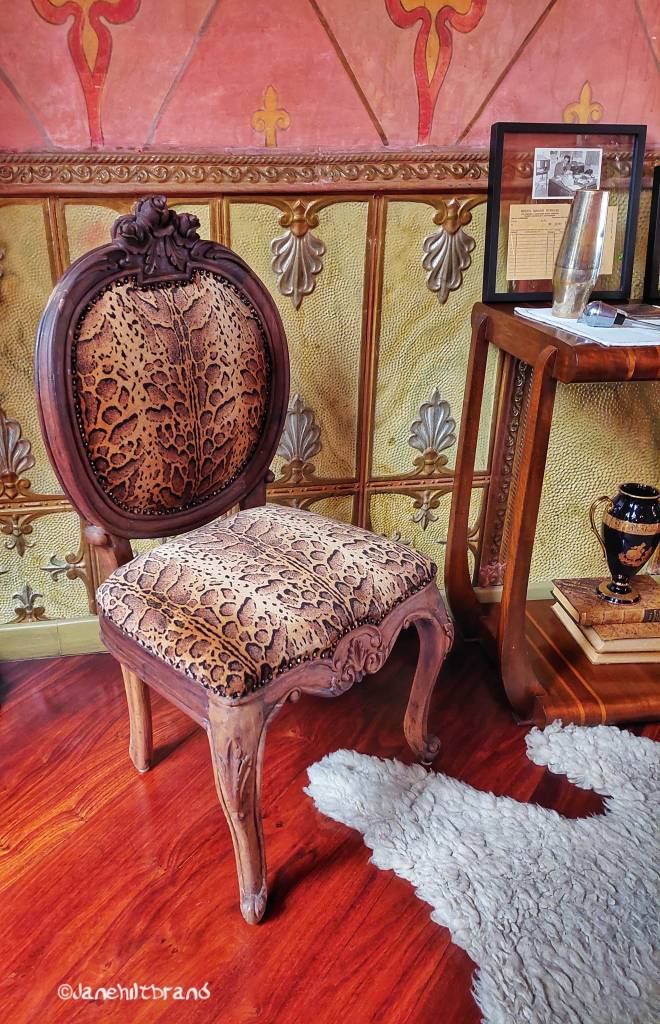
They brought pieces of furniture from their father’s store, and three chandeliers from their mother’s house.  The sofas, leather armchairs and other furniture were made by hand by Cuenca artisans. 
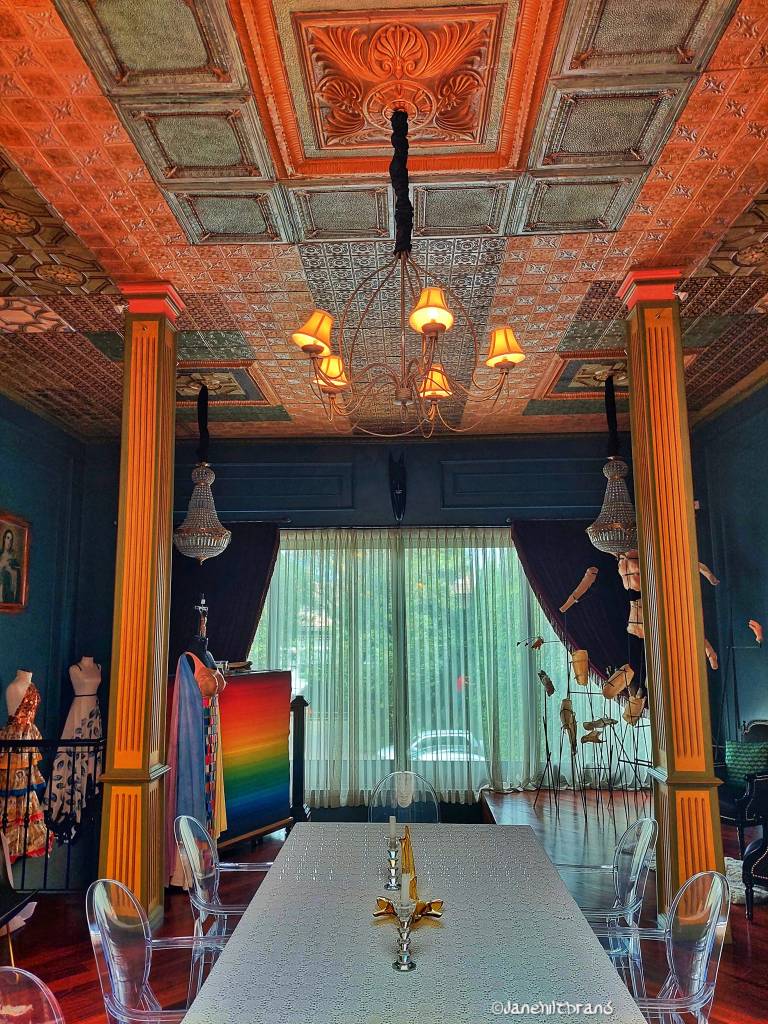
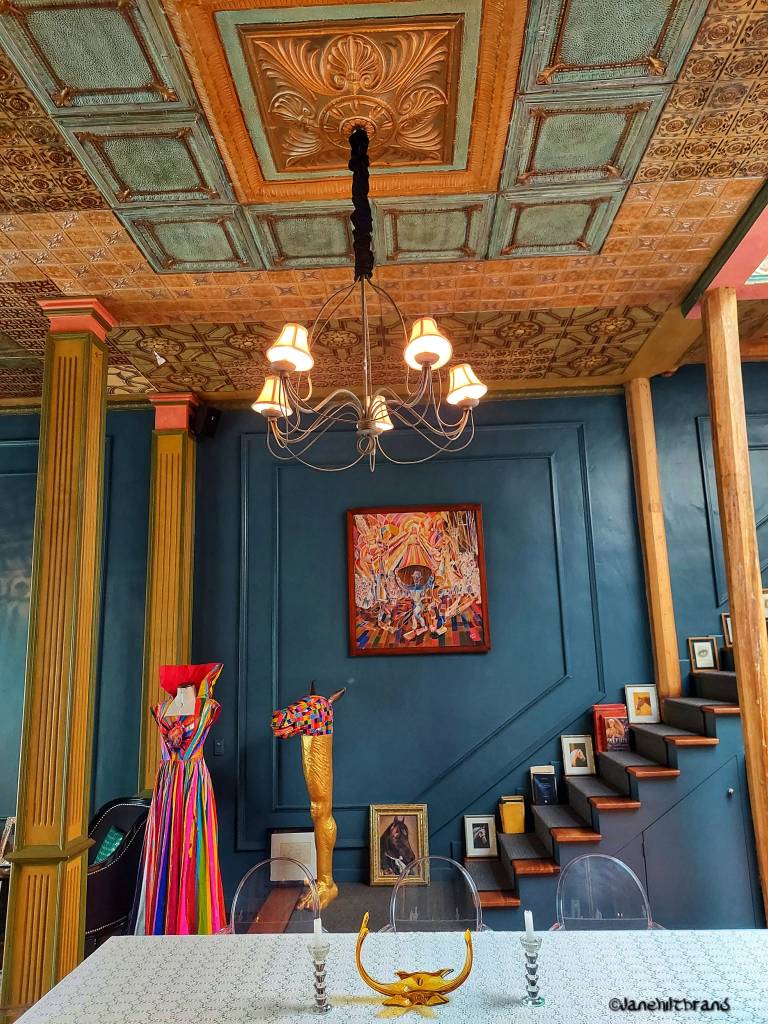
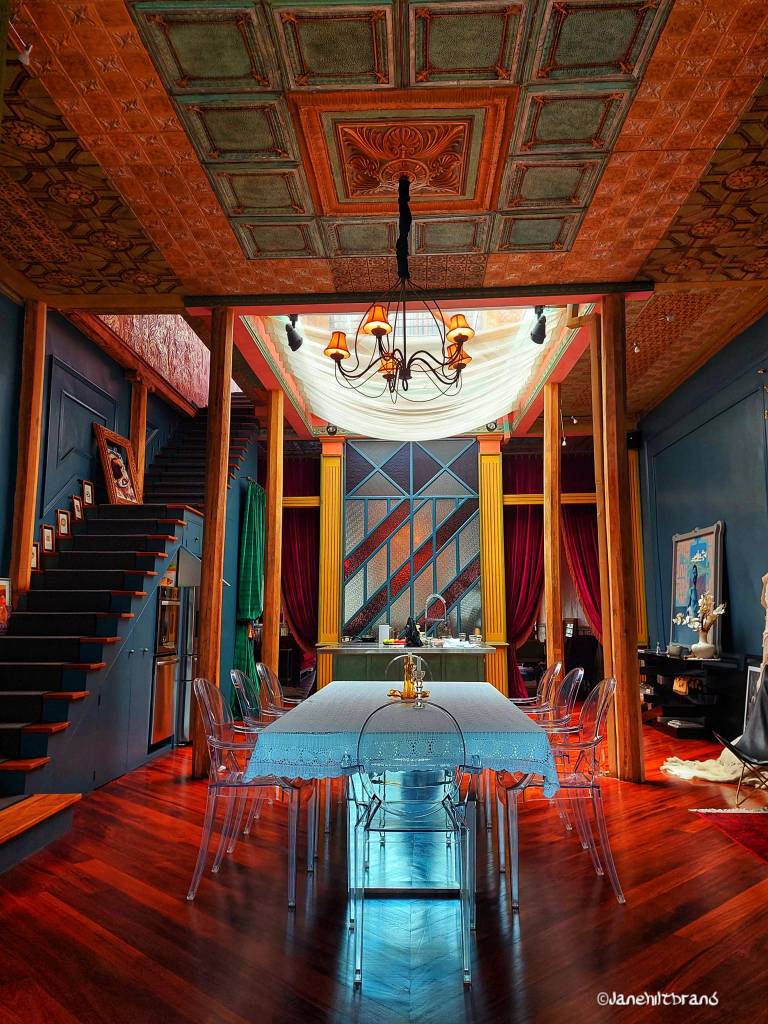
The second floor includes the kitchen, dining room, and grand sala.
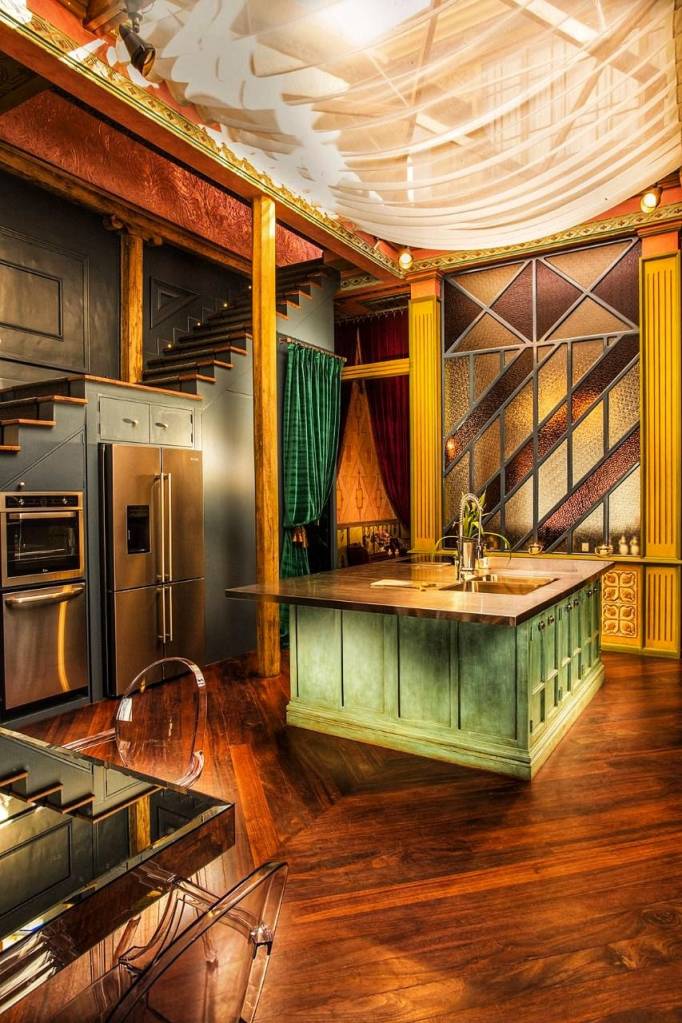
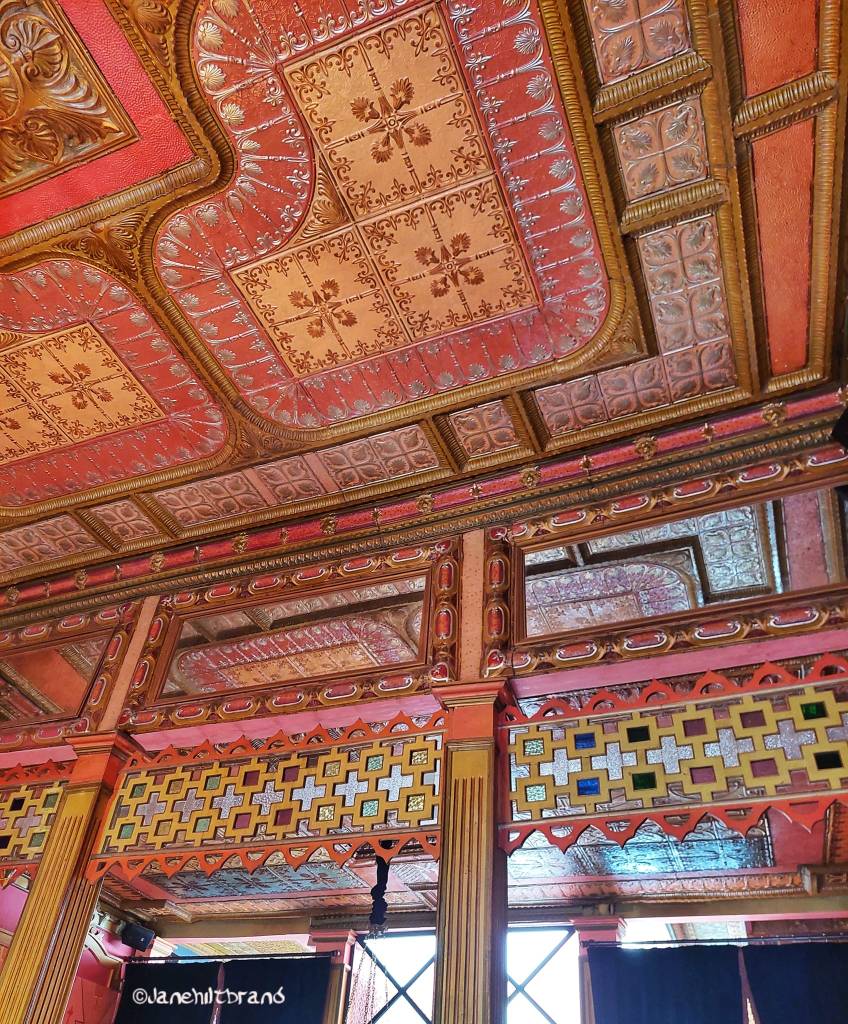
These ceilings are made of polychrome brass, a design element seen in Cuenca homes of the french design in the early 1900’s.

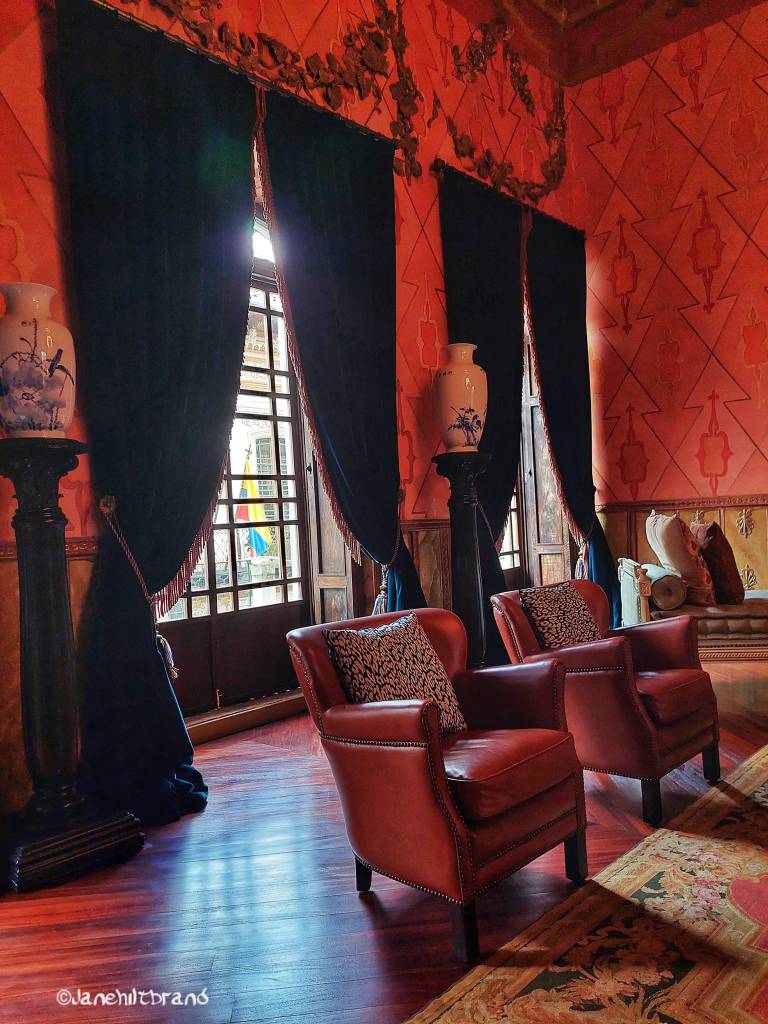
The master bedroom is on the third floor, with the master bath partitioned off with tempered glass behind the bed. 

Hidden in the room are stairs which take you further up to a very magical space in the house.

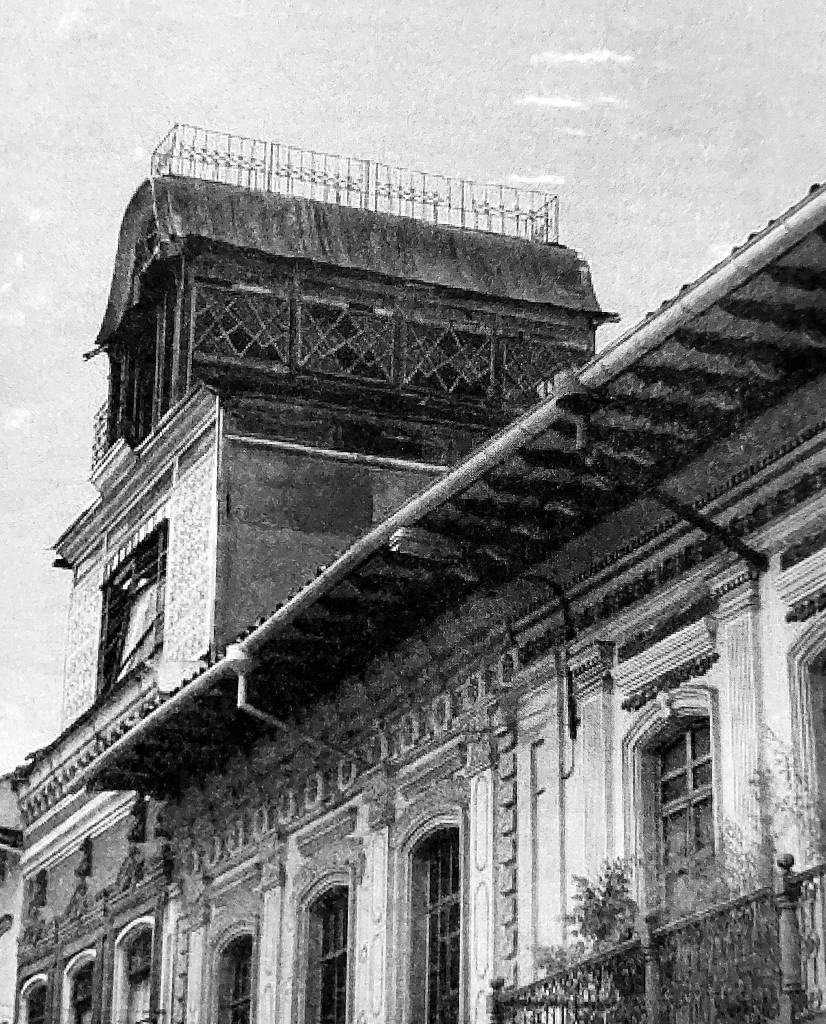
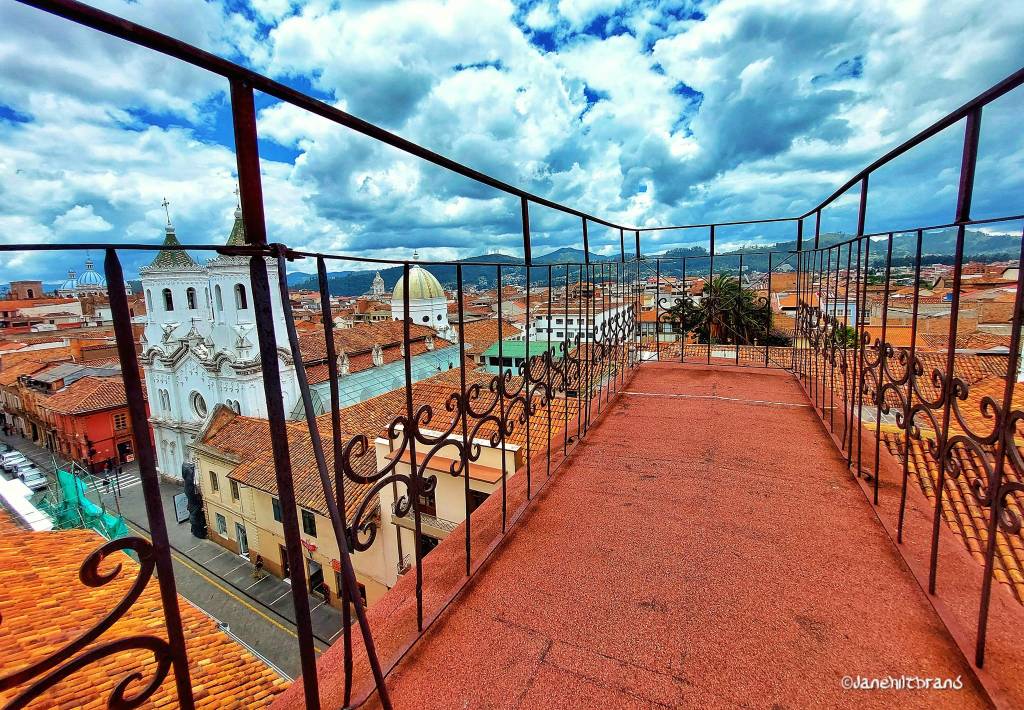
The fourth floor is a comfortable anteroom attic which leads to the observation deck on the very top of the house. The Observation attic was created by the original owner/builder, because he was an astronomer, and he wanted to study the stars.

There is another flight of stairs up to the actual outdoor observation deck.

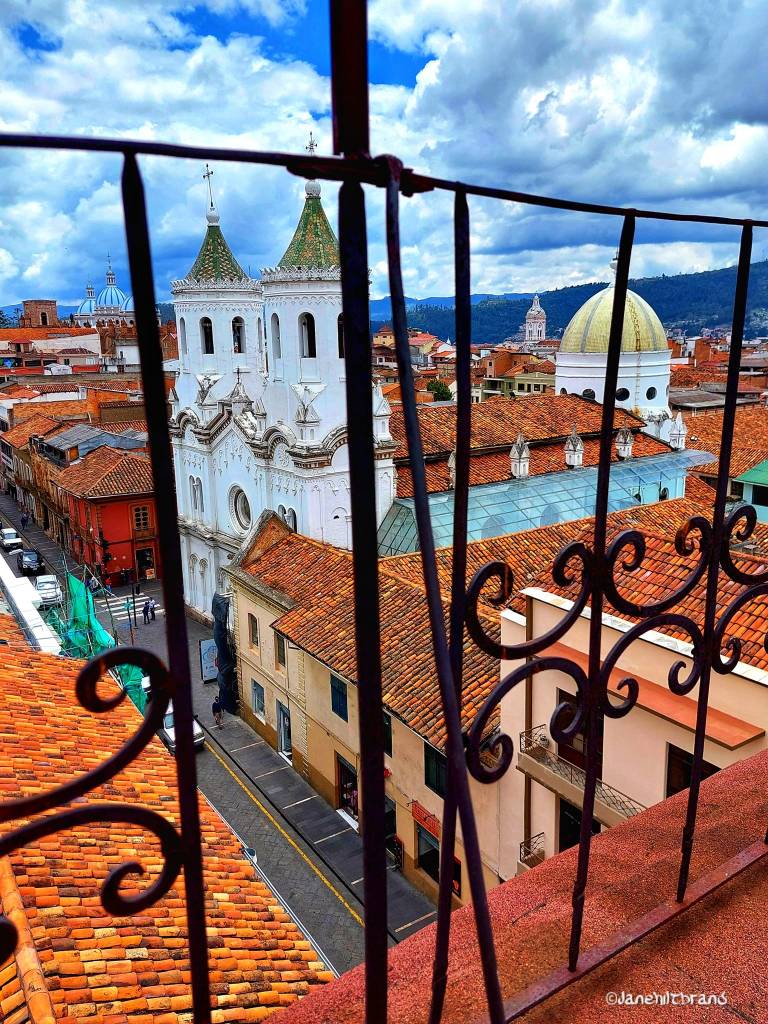
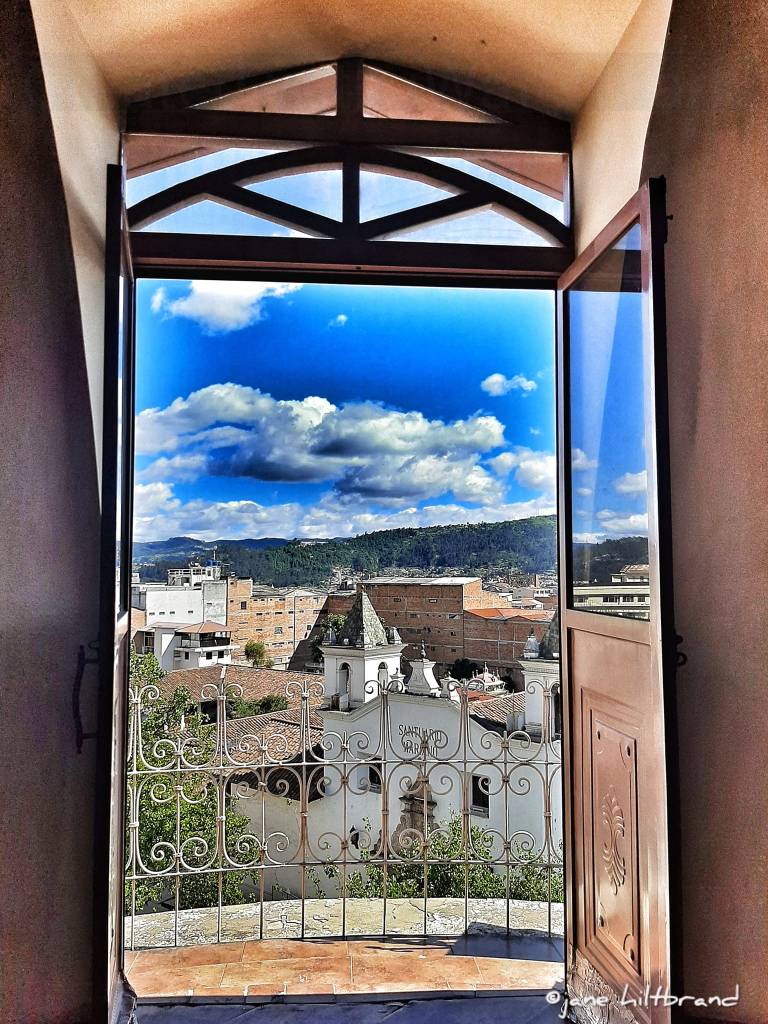
Once there, you are treated to a dizzying dazzling 360 degree view of all of Cuenca’s Historical district.
Gustavo Moscoso’s fashion business has a strong family background.  Ernesto Moscoso Fuentes was a cloth merchant in Cuenca.  He married May Ferrando, from Chile. Gustavo took over the business at 19, when his father died suddenly.  He began to import foreign fabrics, and then made a collection of designs with these fabrics.  He launched his first collection in 2001.  His main store is in Guayaquil in the Plaza Lagos.  From Cuenca and Guayaquil he branched out internationally. His successful collections are shown in Buenos Aires, Panama, Cancun, New York, Lima, and Paris.
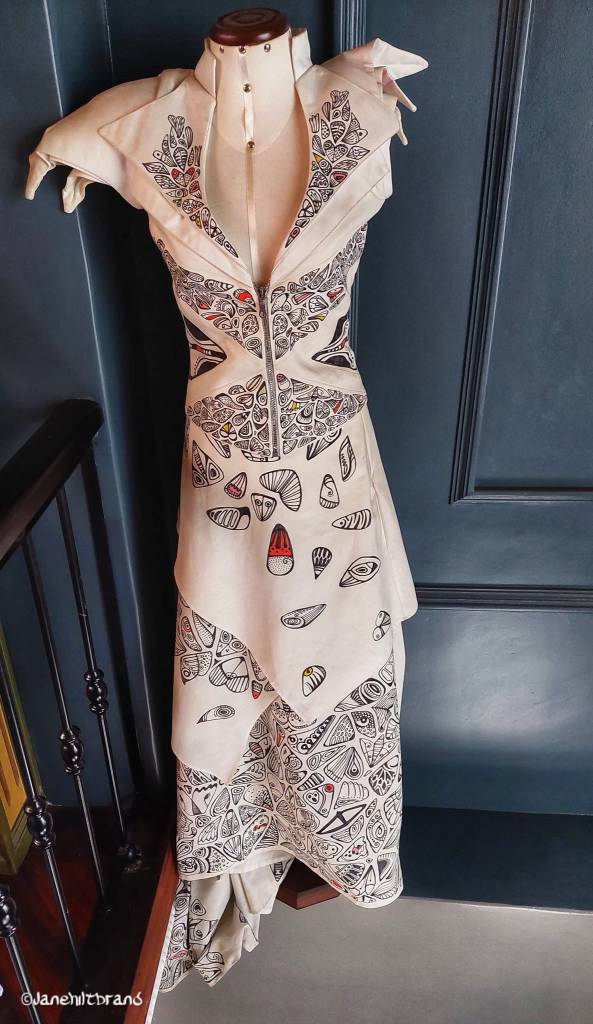
These painted dresses are a collection put together by Gustavo and his design colleague Olga Doumet, in a collaboration with other designers and artists. The collection is called Ispirato Corpo, which has been shown at the Bienale of Contemporary Art.

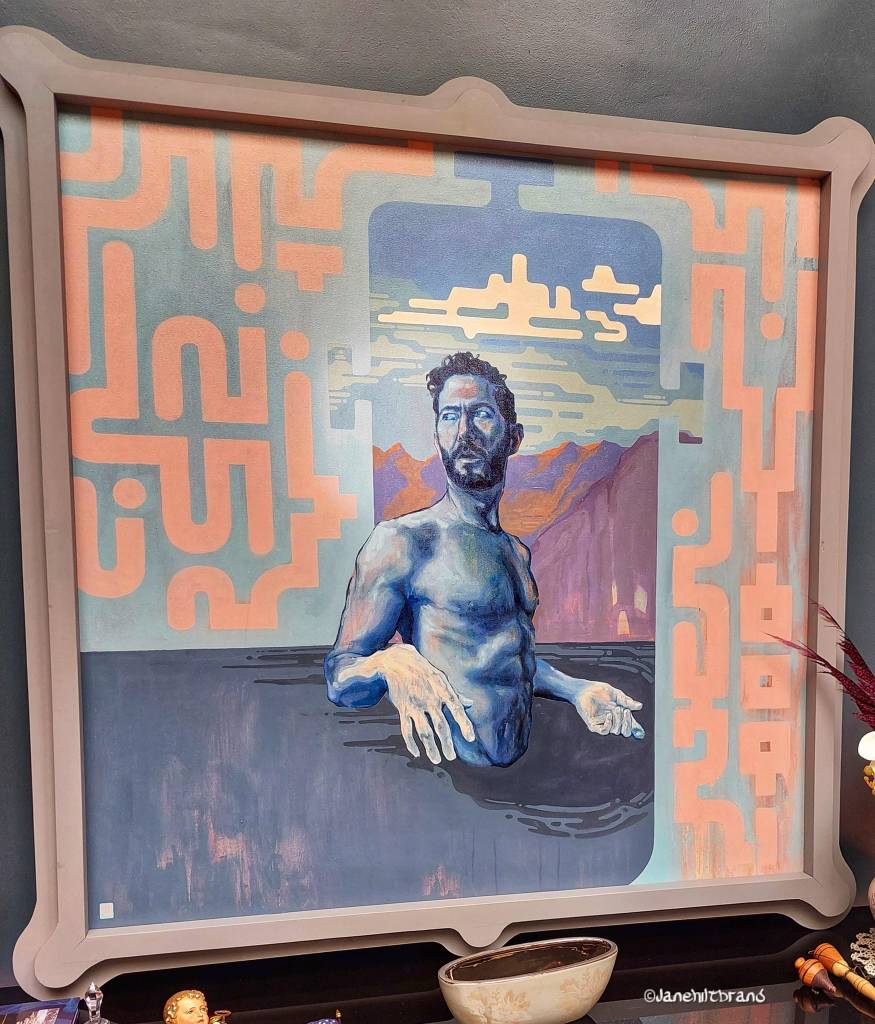
The house also is a showcase for some of Gustavo’s collection of contemporary art from different artists in Cuenca and Latin America.

Gustavo has plans to possibly someday turn part of this spectacular house into a restaurant, or jazz club.  It  also can be available as an Airbnb, for a once in a lifetime Cuenca experience. 

Escuela de Medicina/Museum of the University of Cuenca

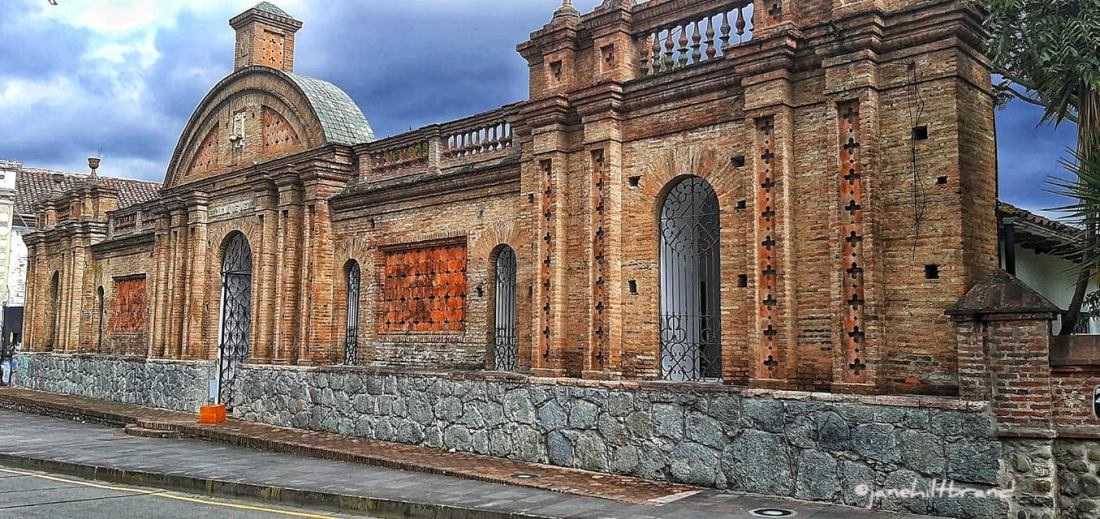
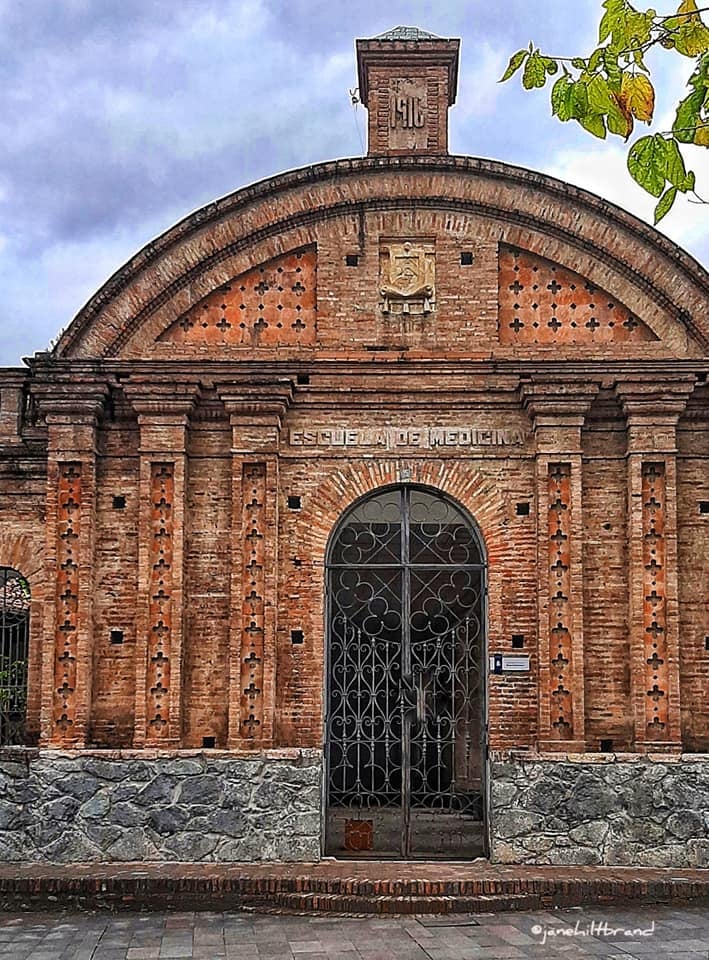
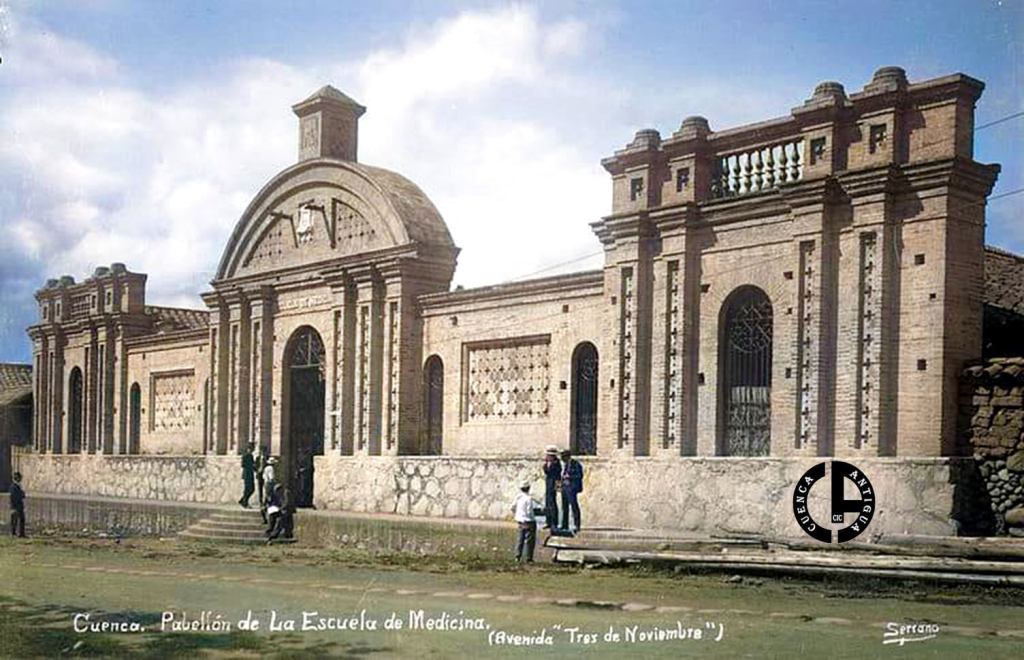
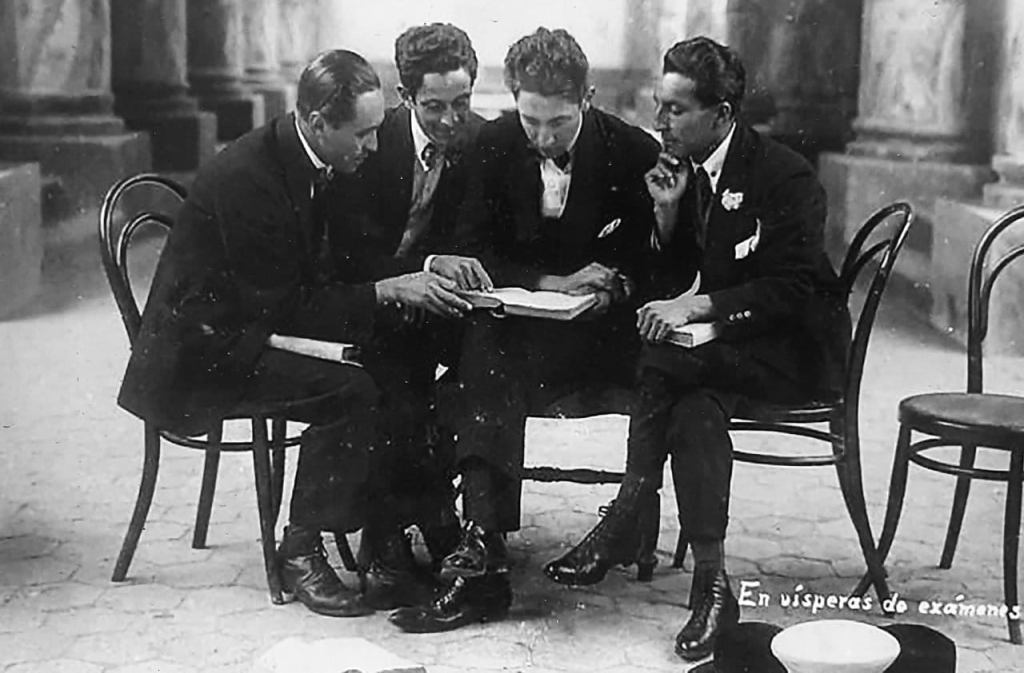
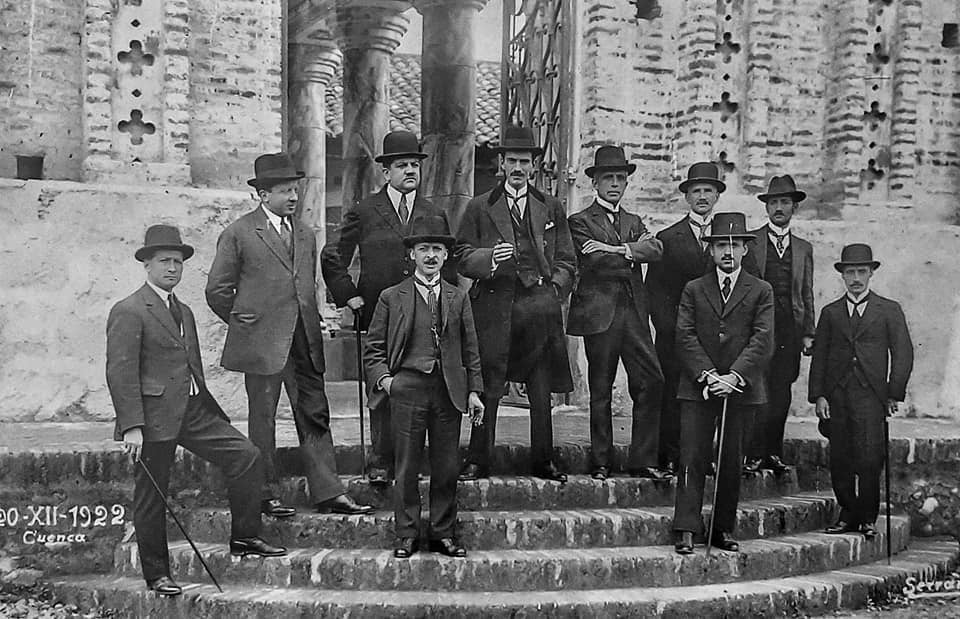
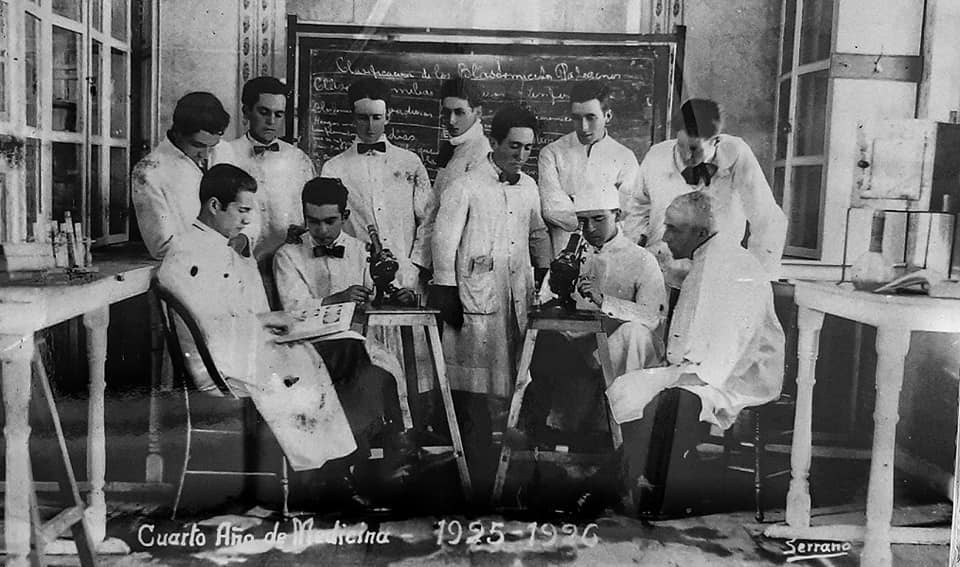
The former School of Medicine of the University of Cuenca was built on this particular plot in 1916 because it was adjacent to the old St Vincent of Paul Hospital, therefore enabling students to obtain practice as well as theoretical training.

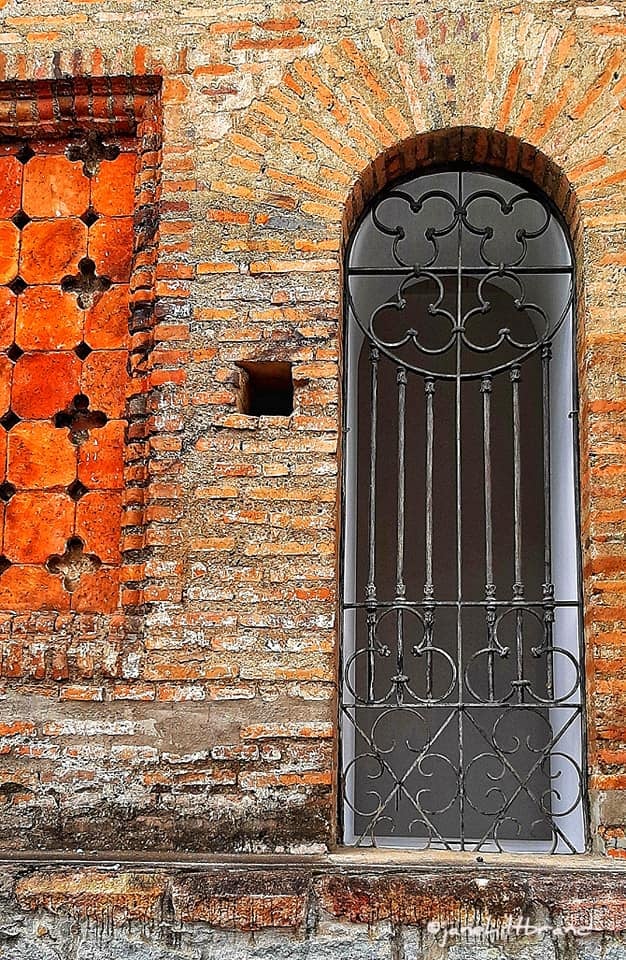
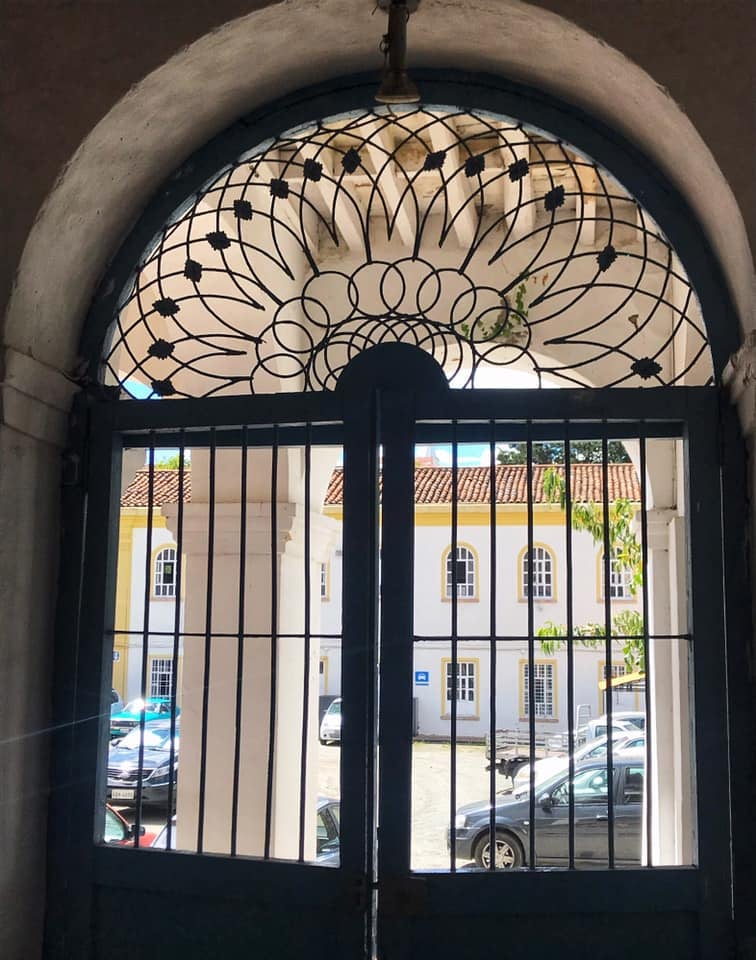
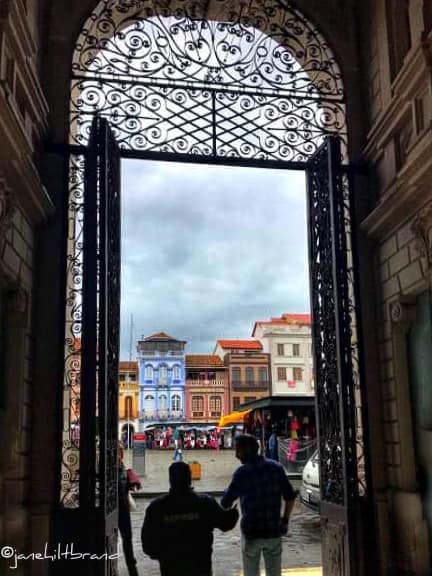
The main entrance has an exquisite wrought-iron semicircular gate.  The whole building is slightly raised from the pavement, accessed via short flight of steps in the fashion of a podium.

The project was promoted by Honorato Vázquez, Rector of the University, who also had a distinguished career as a diplomat, being Ecuador’s representative at the court of Madrid during the border conflicts thatoccurred in the country at the beginning of the 20th century. It occupied a privileged location on the banks of the River Tomebamba,

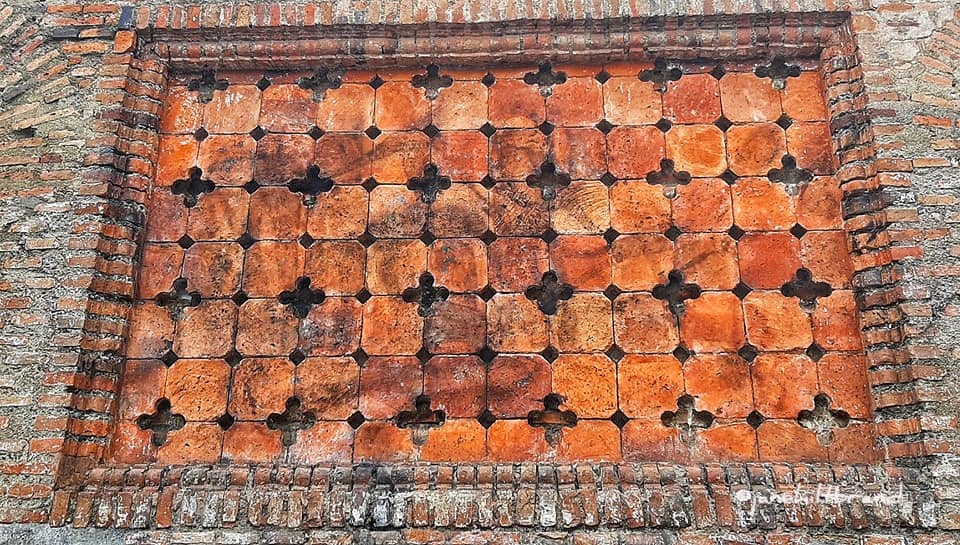
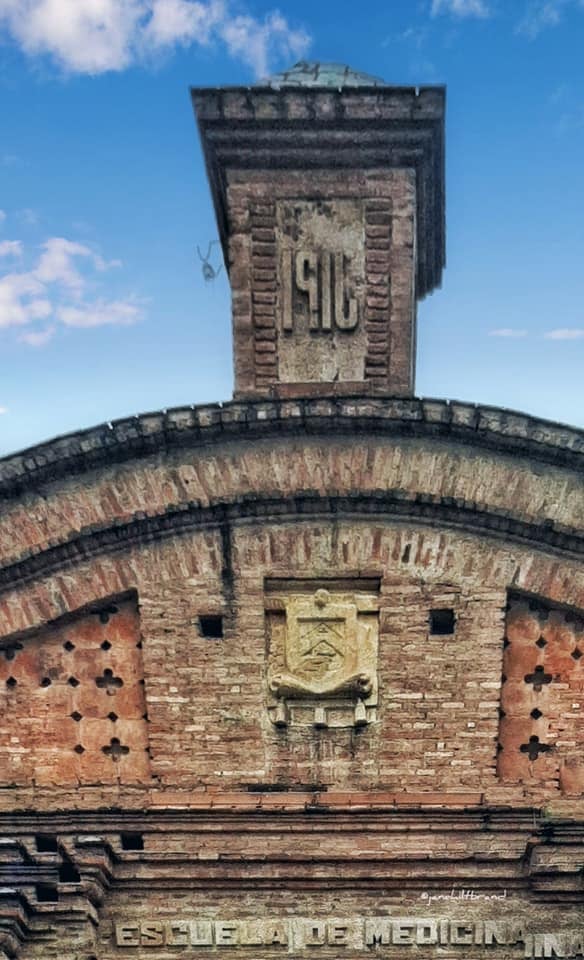
The handsome façade is entirely in exposed brick, in keeping with the style popular at the time.

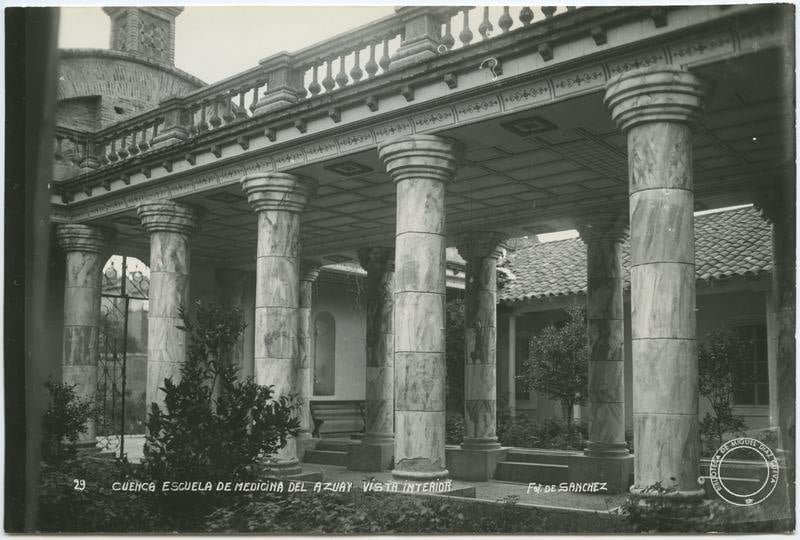
A large interior courtyard held the classrooms and other facilities.

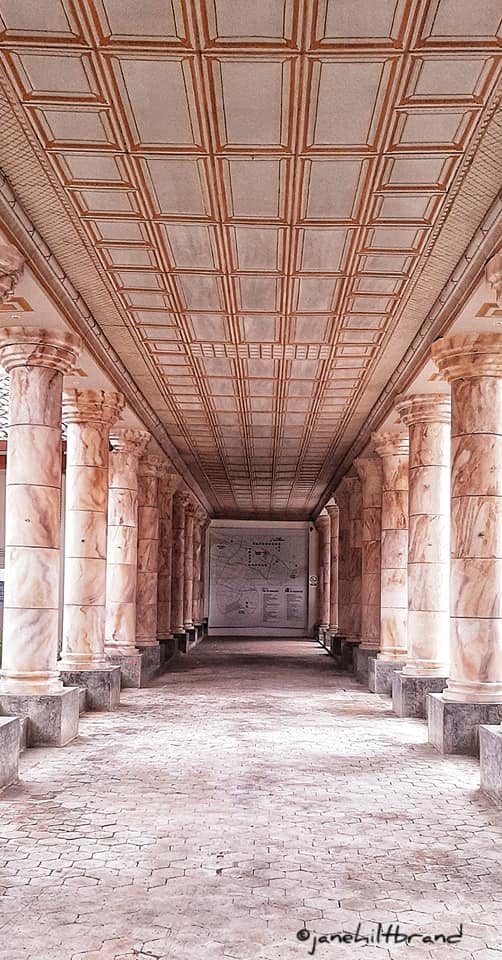
This courtyard is distinguished by a central gallery with twelve columns possibly added around 1930.  The gallery ceiling is of the polychrome brass variety.

A segmental arch displays a carved marble shield of the University of Cuenca at its centre. Still discernible above is a pinnacle inscribed with the date of construction, 1916.

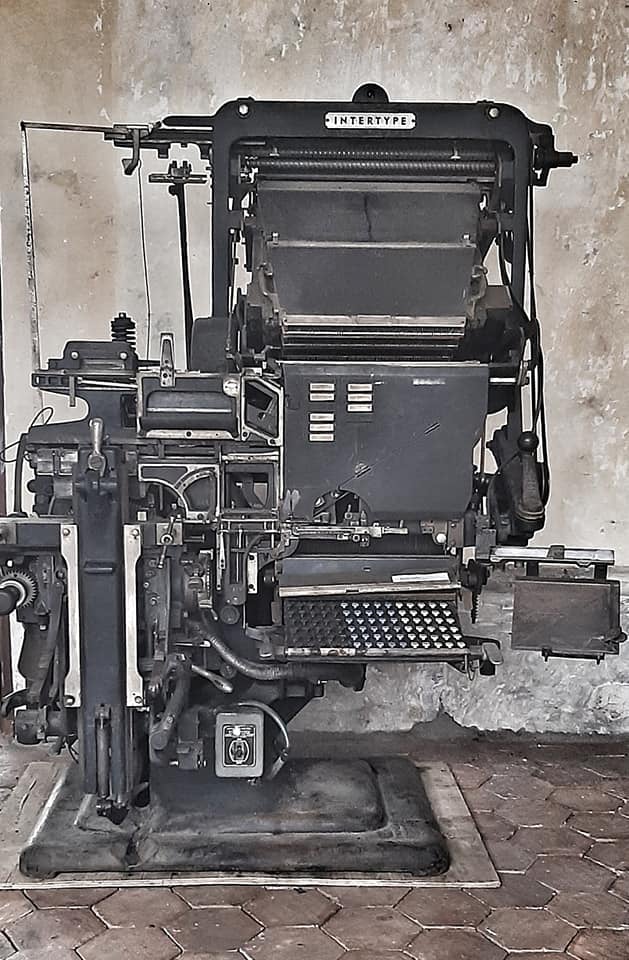
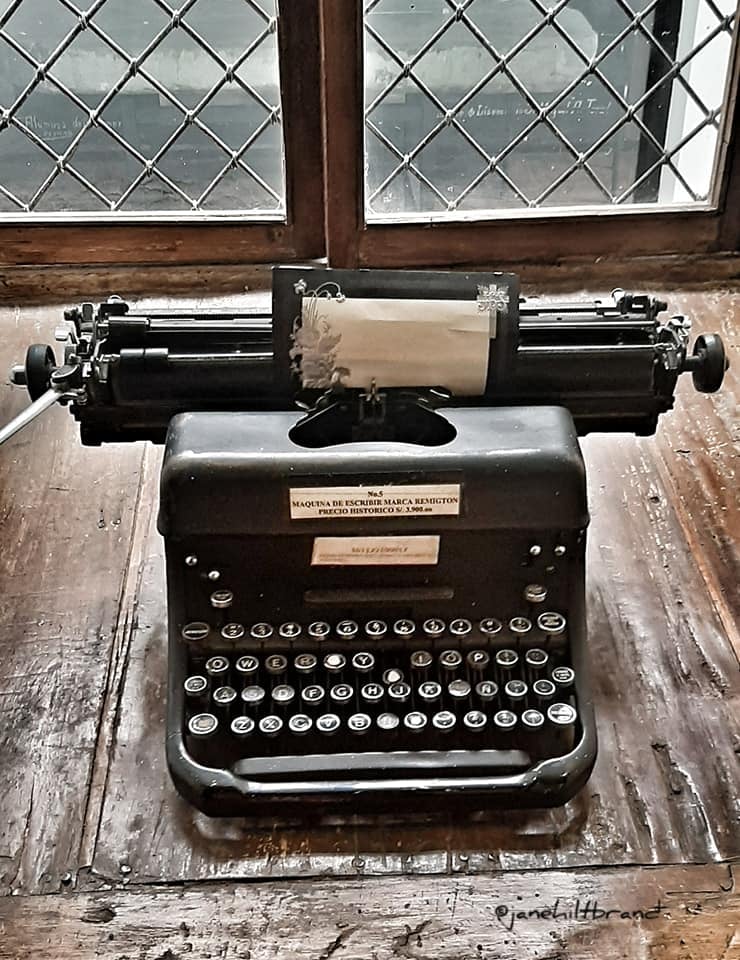
An old Linotype Printing Press, and the letters used for the Printing Press.

The building was used as a site for the Cuenca International Bienal. Pictured here is an exhibit in the Bienal.

Situated on the west  is a corridor leading to an empty space outside that once accommodated tennis courts. In 1968 the School of Medicine moved but The University of Cuenca continues to own the building, and it is now the Museum of the University of Cuenca. 

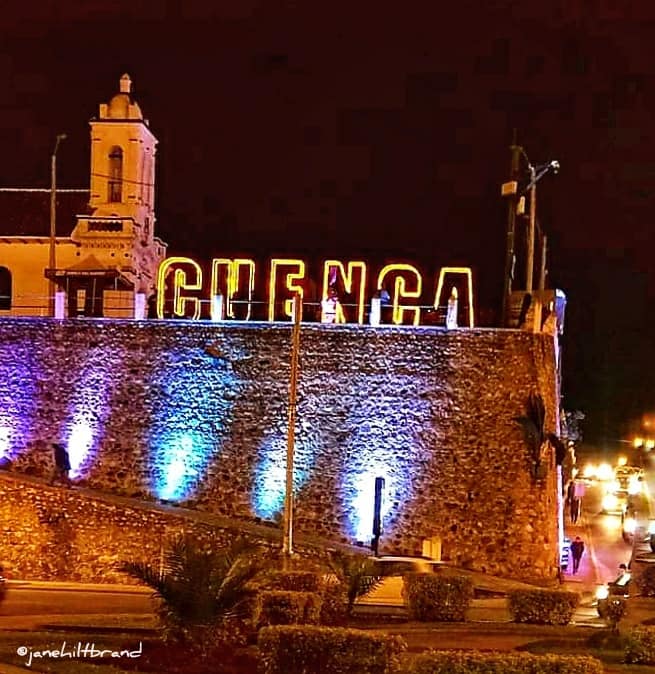
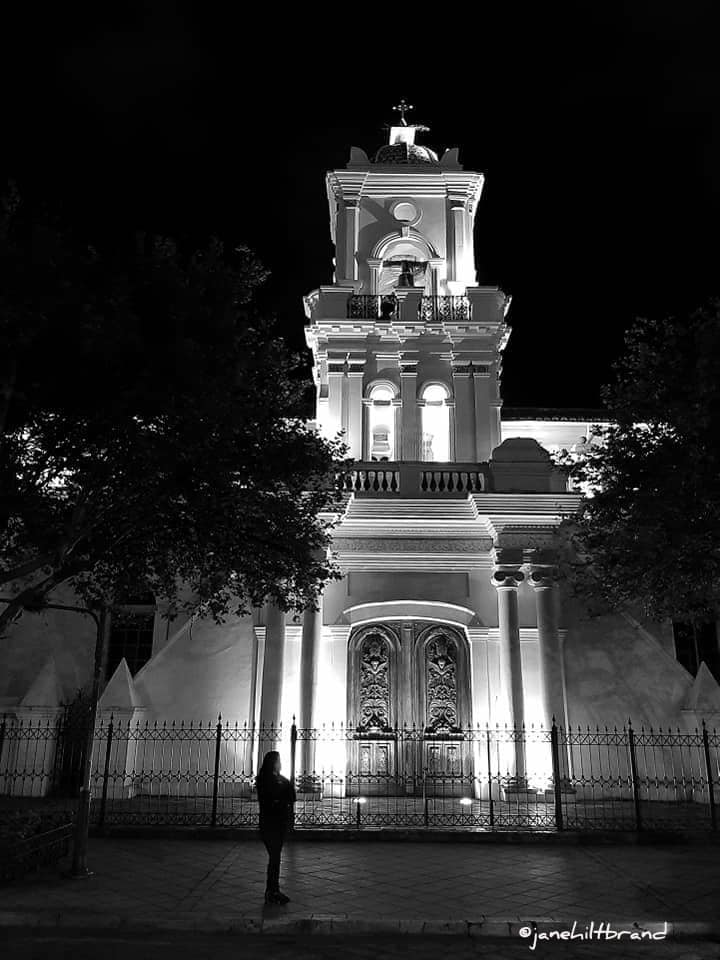
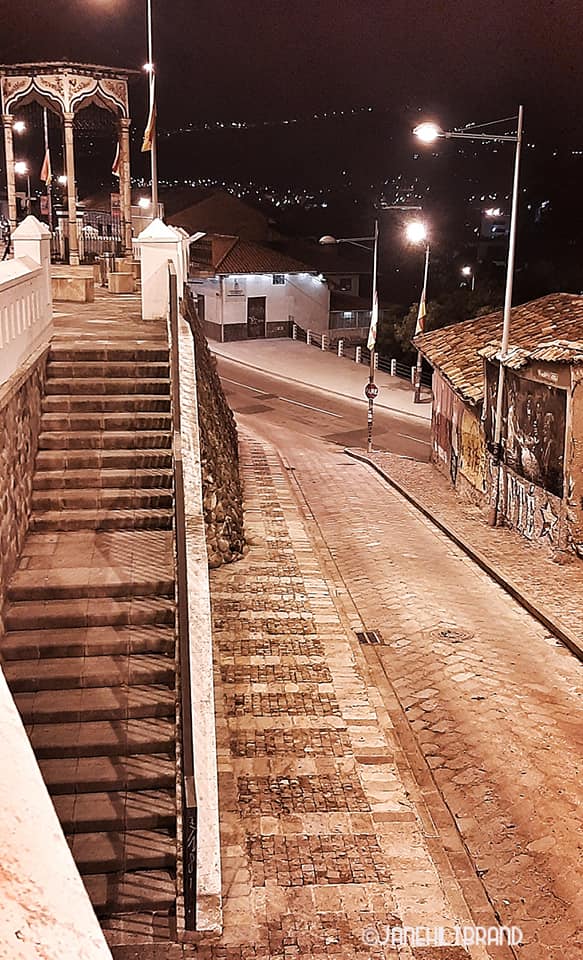
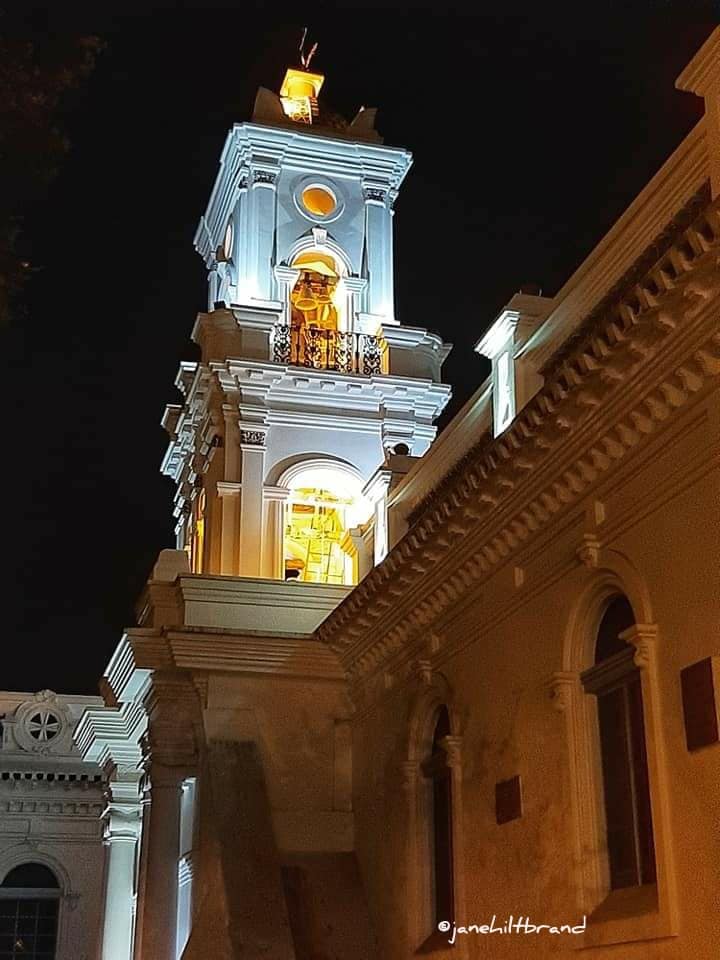
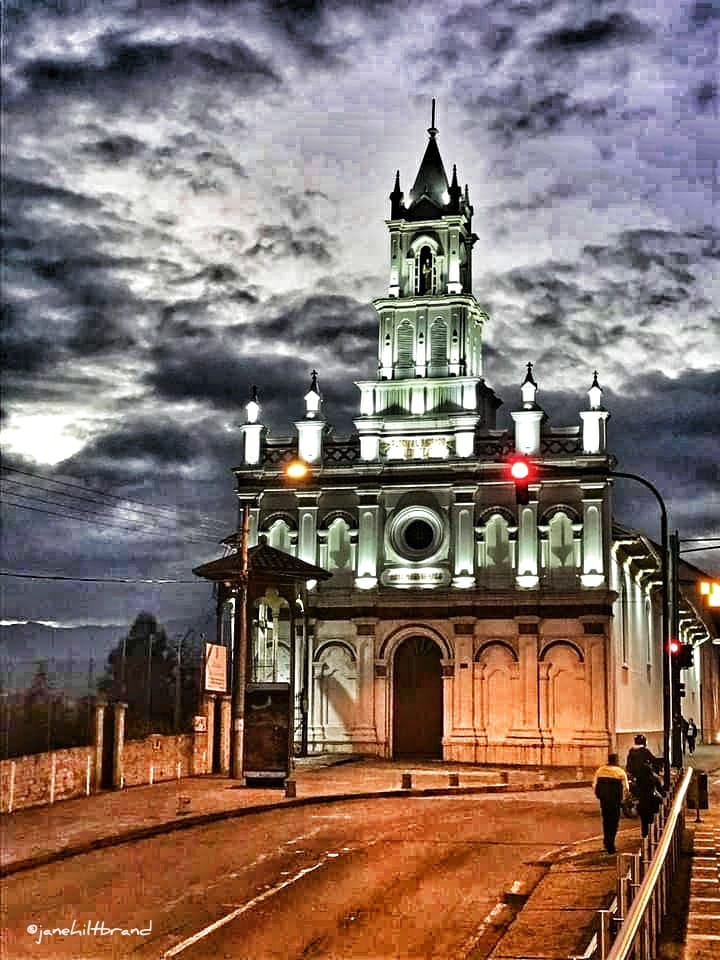
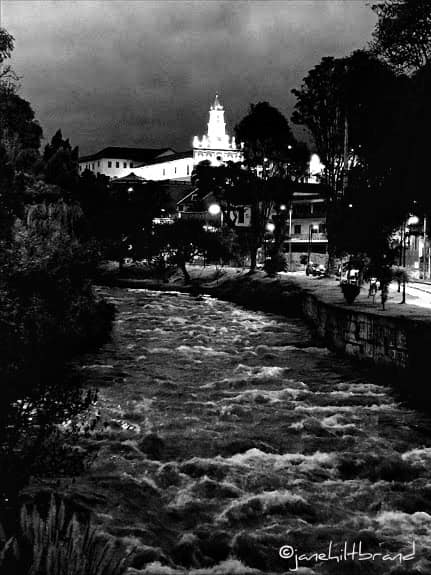
Cuenca en La Noche

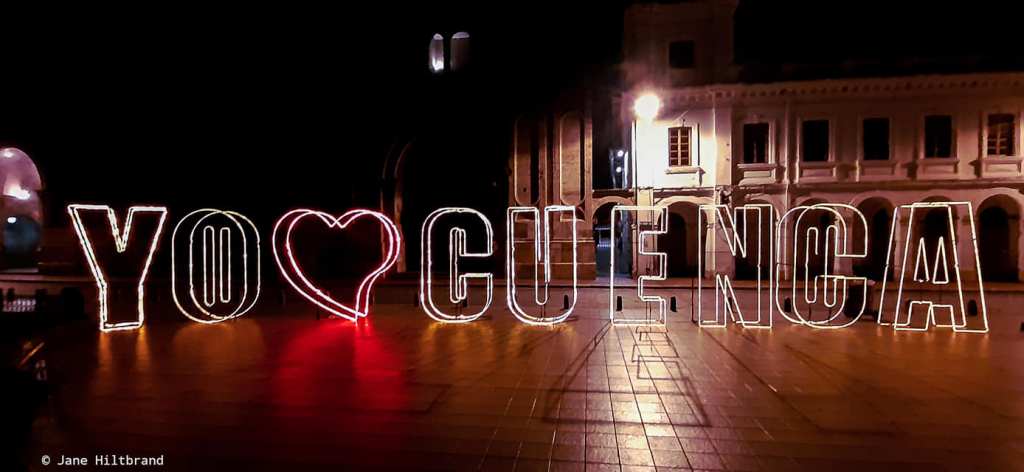
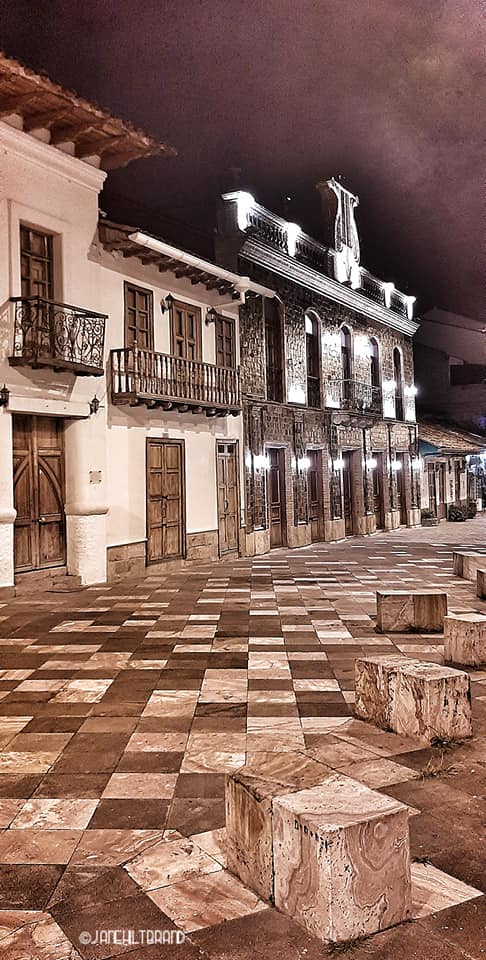
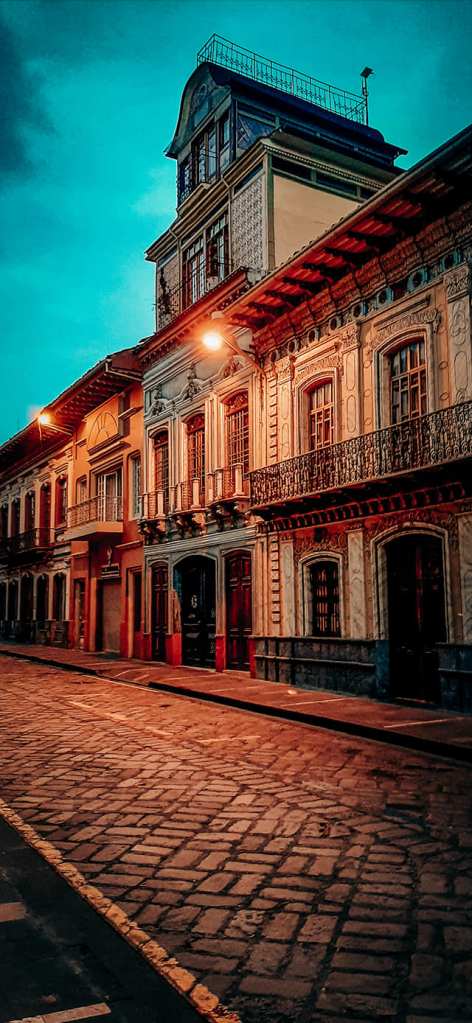
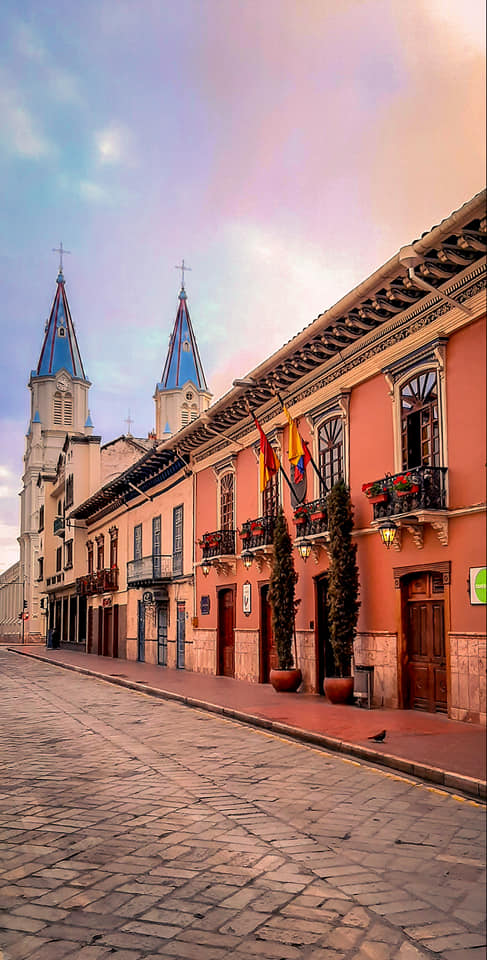
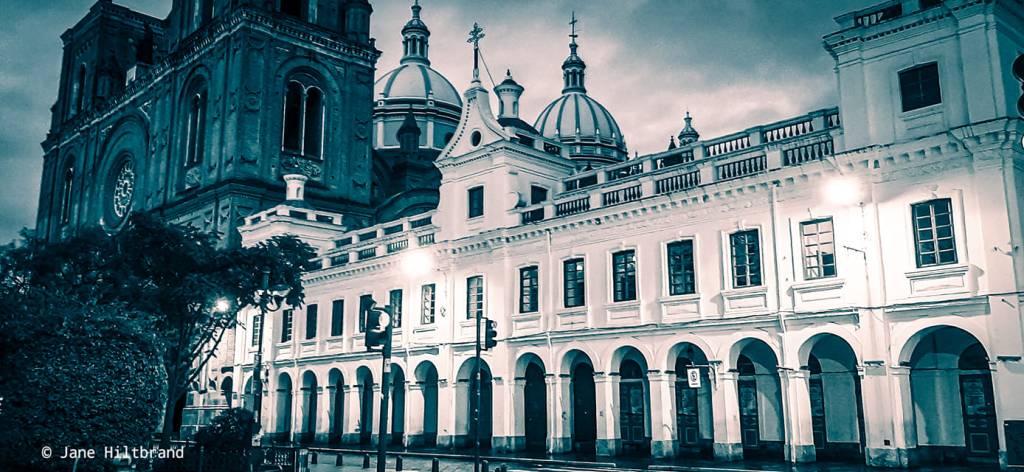
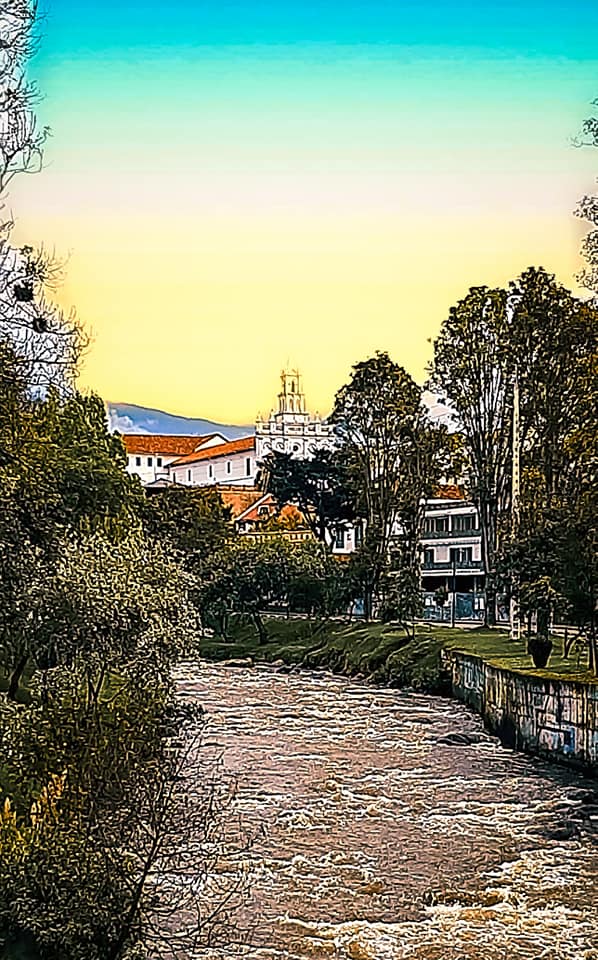
Cuenca is gorgeous all the time. But it is even more enchanting at night. “Cuenca doesn’t look like a sixteenth-century city that has been preserved; it looks like a city that has been in use since the sixteenth century.” Calvin Trillin

In Parque Calderon
Casa de Lira
Castillos for Corpus Christi
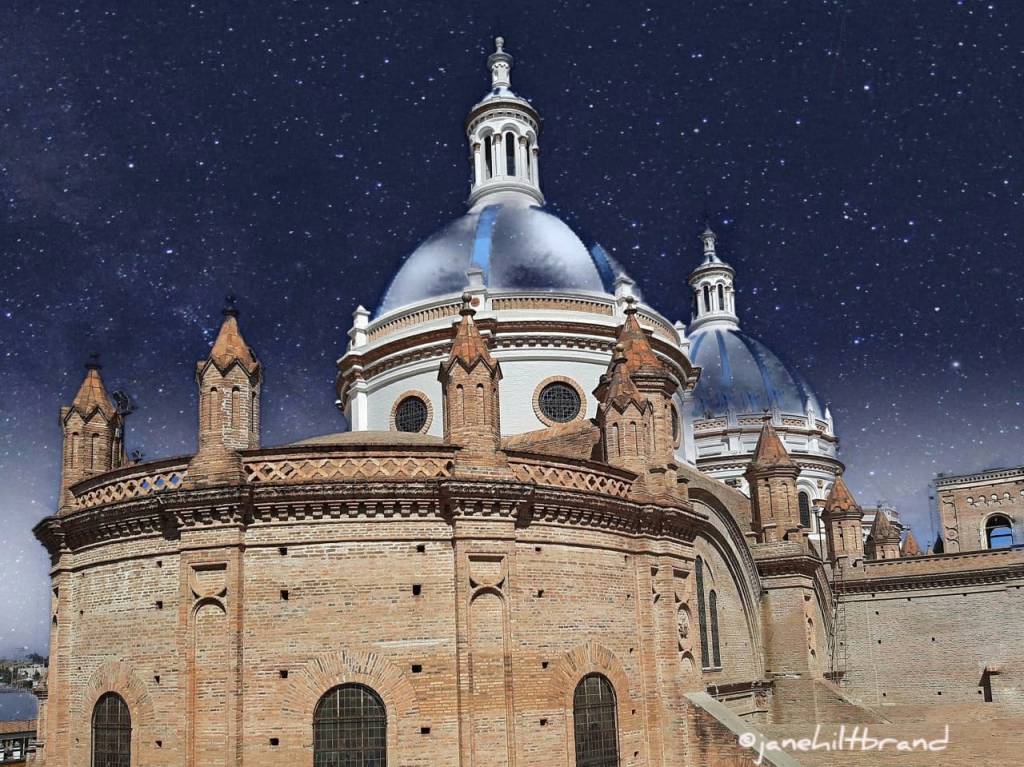
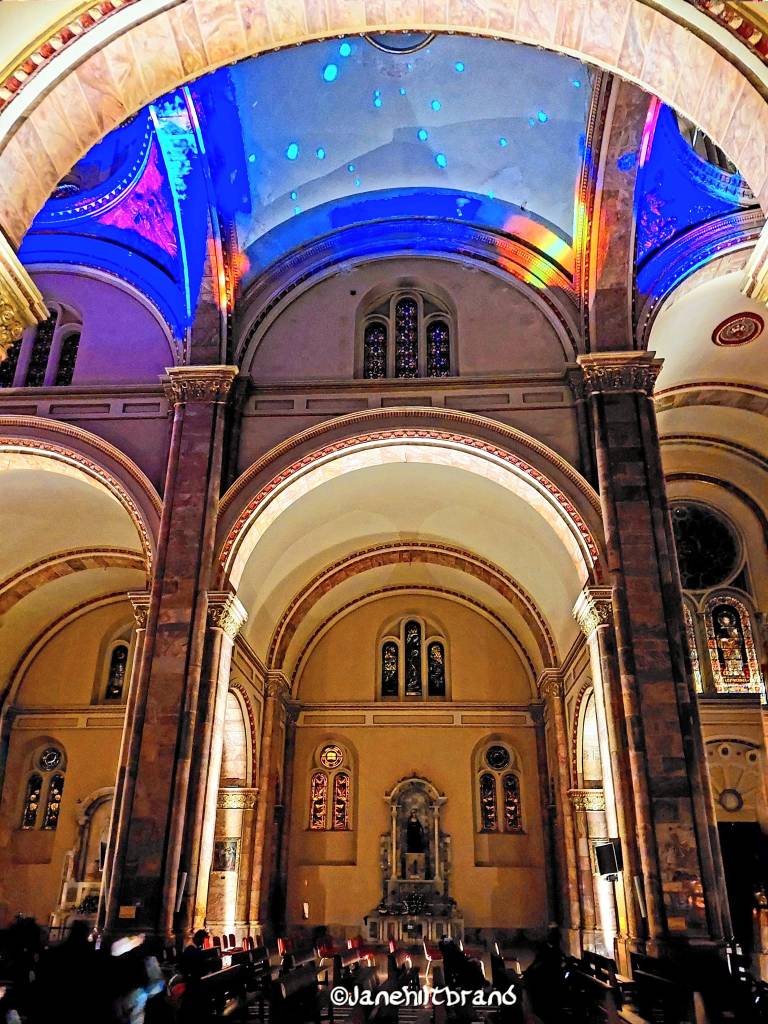
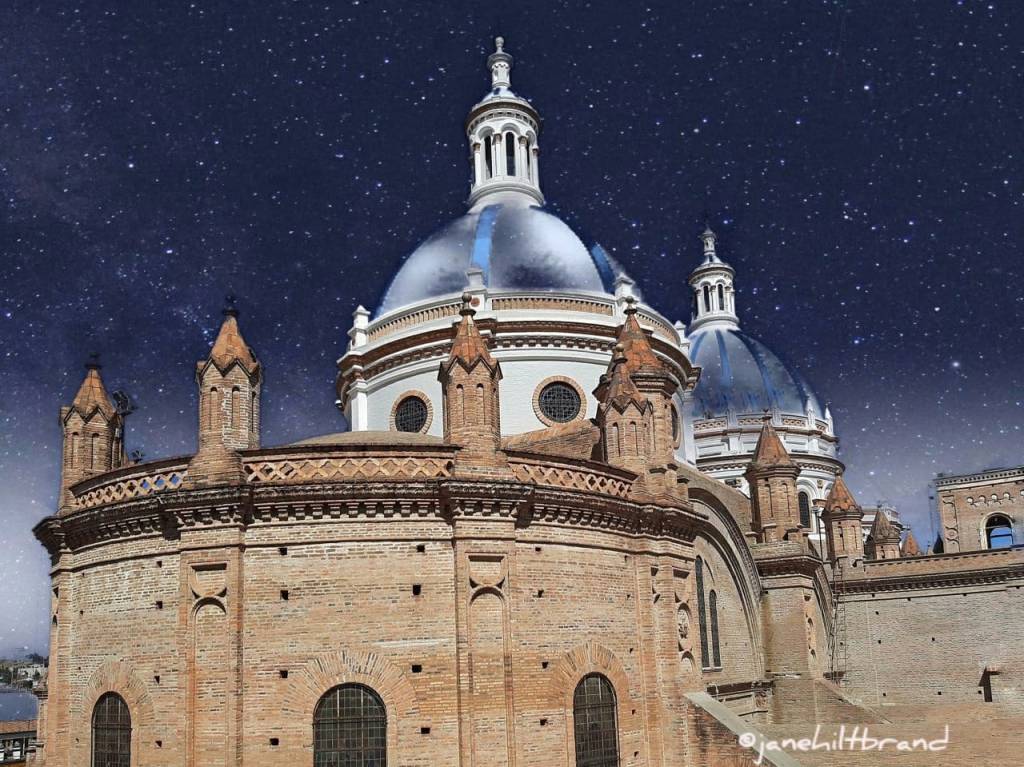
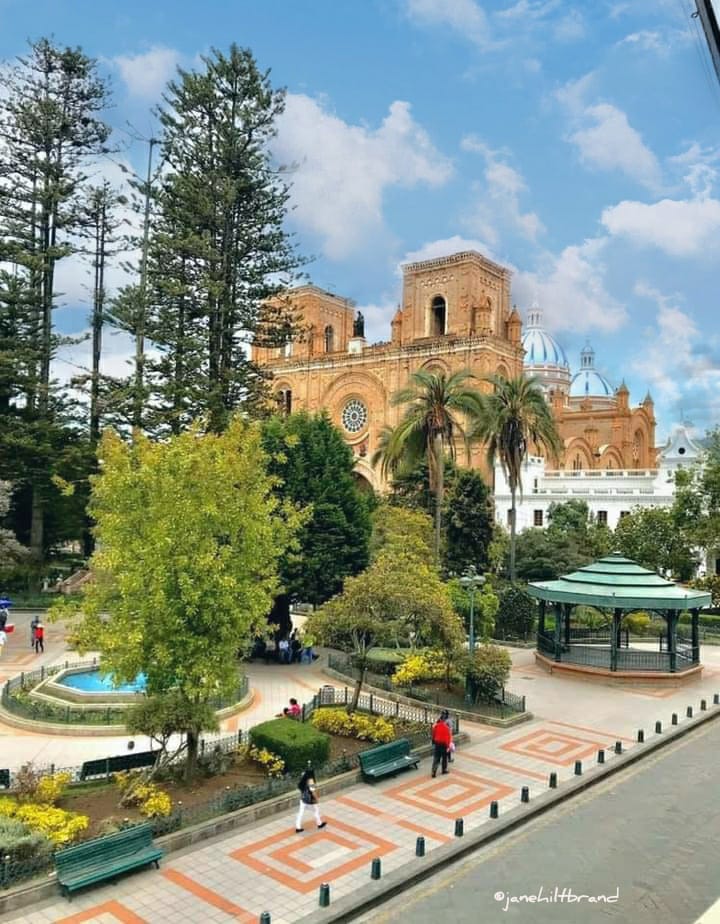
New Cathedral Domes
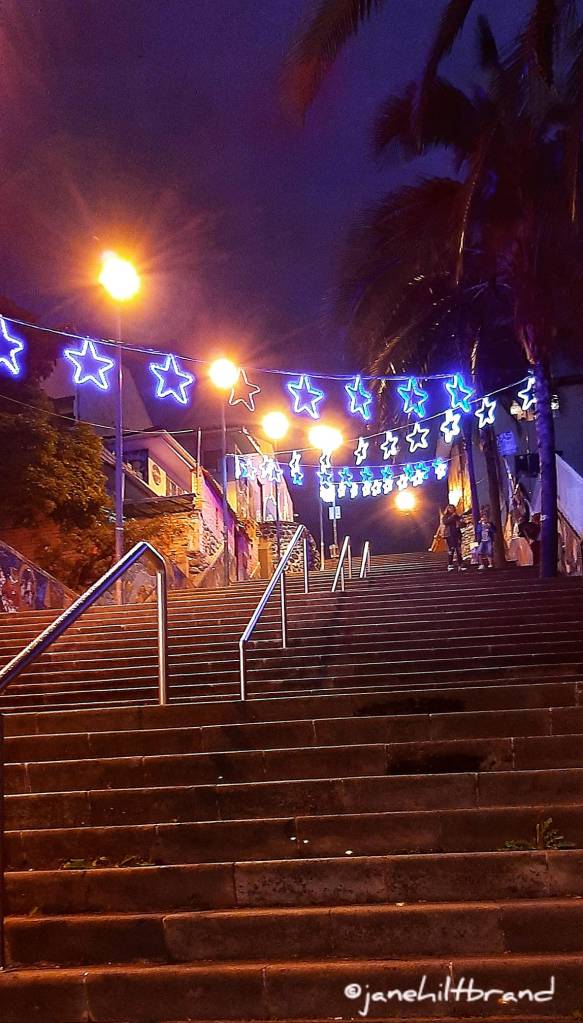
Plaza Otorango Steps
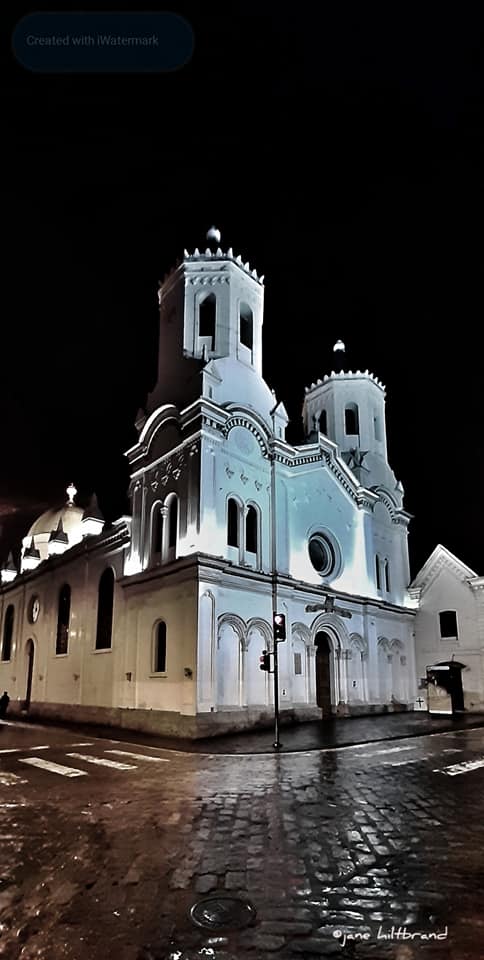
Old Cathedral
El Vado Steps
Old Cathedral Tower
Corte de Justicia
Iglesia de Todos Santos
Iglesia San Sebastian
El Vulcan in Calle de las Herrerias
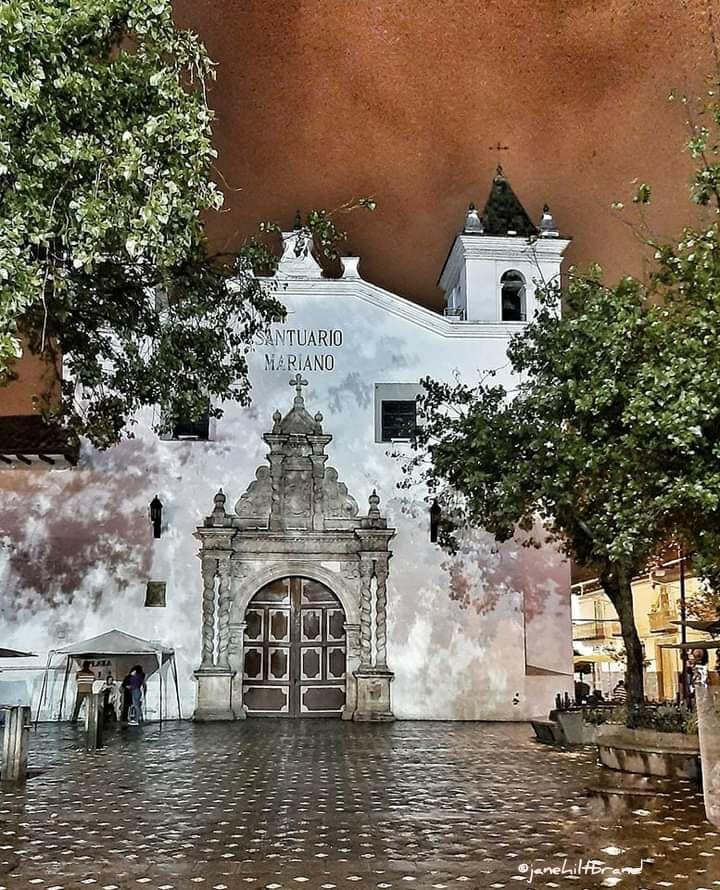
Santuario Mariano
Old Cathedral
Casa de la familia Jerves Calero
Iglesia de Virgin de Bronce
Iglesia Santo Domingo
Iglesia de Santo Cenaculo
Monasterio de Conceptas
New Cathedral
Festival de Luces Santo Domingo
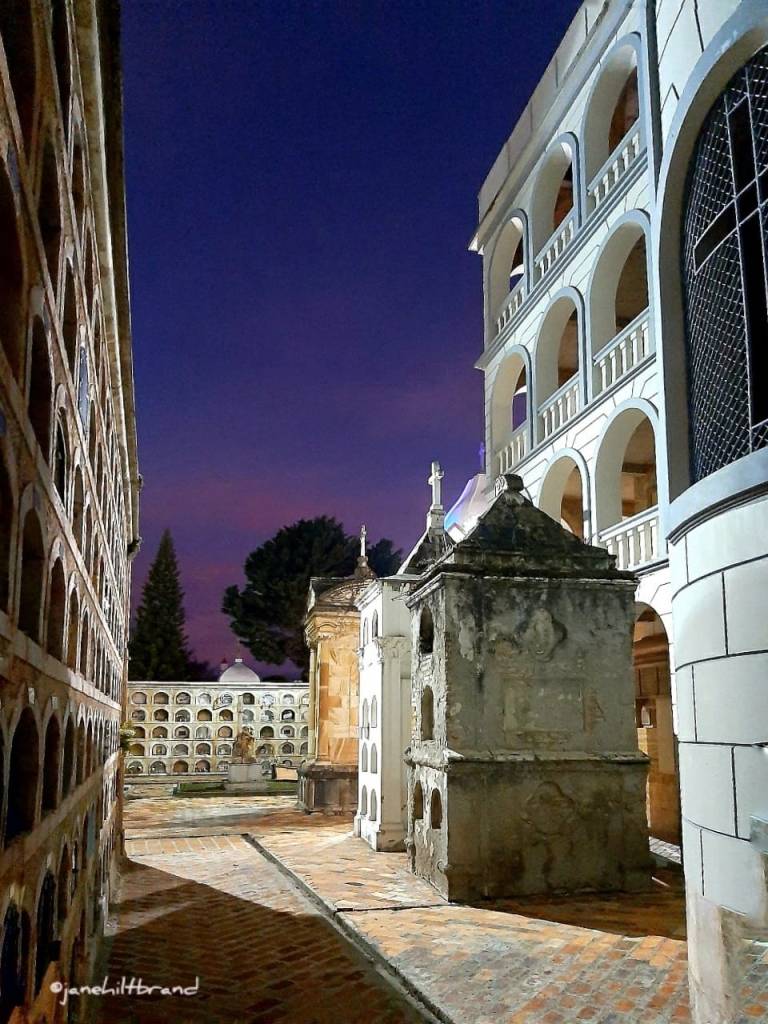
Cuenca Cemetary
Iglesia de Todos Santos

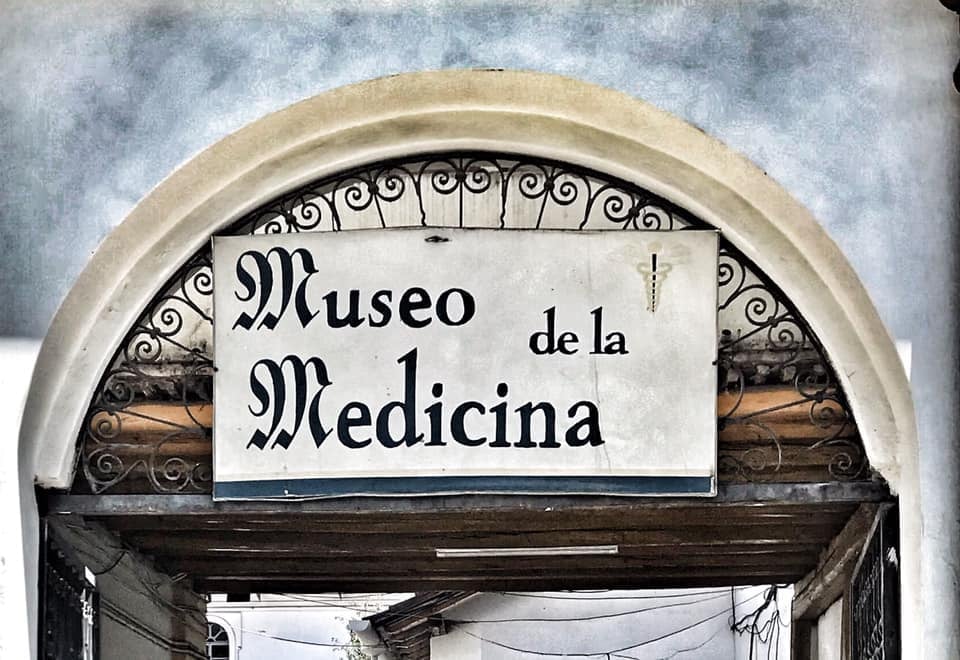
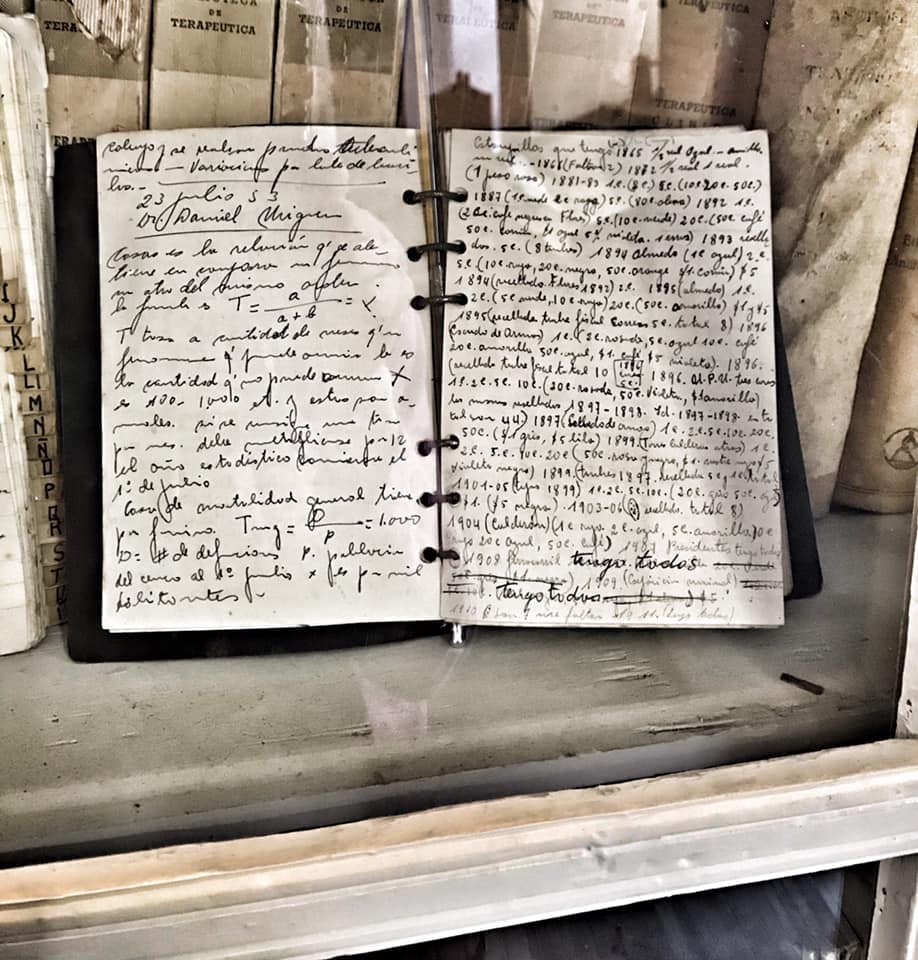
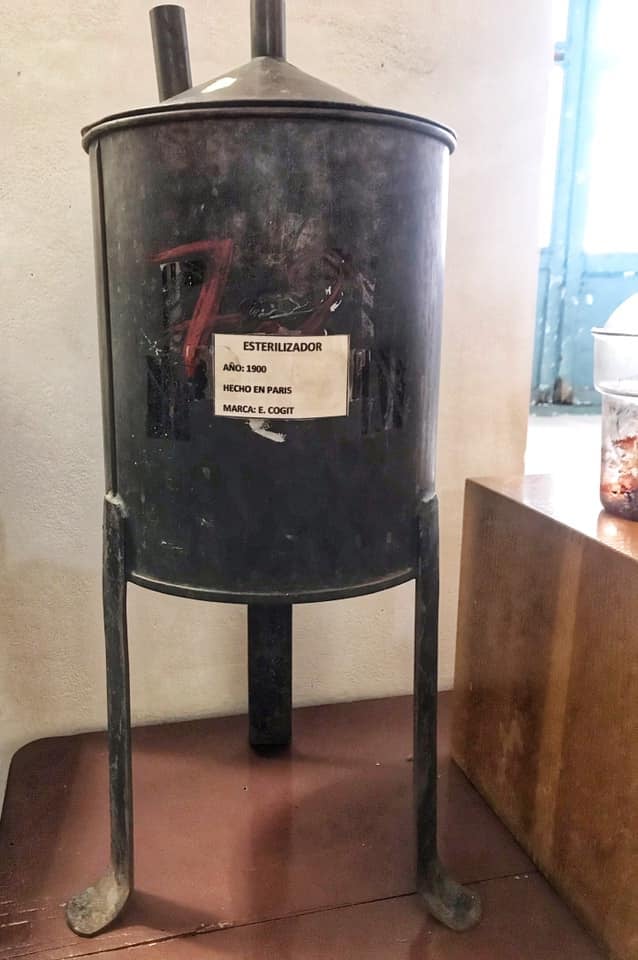
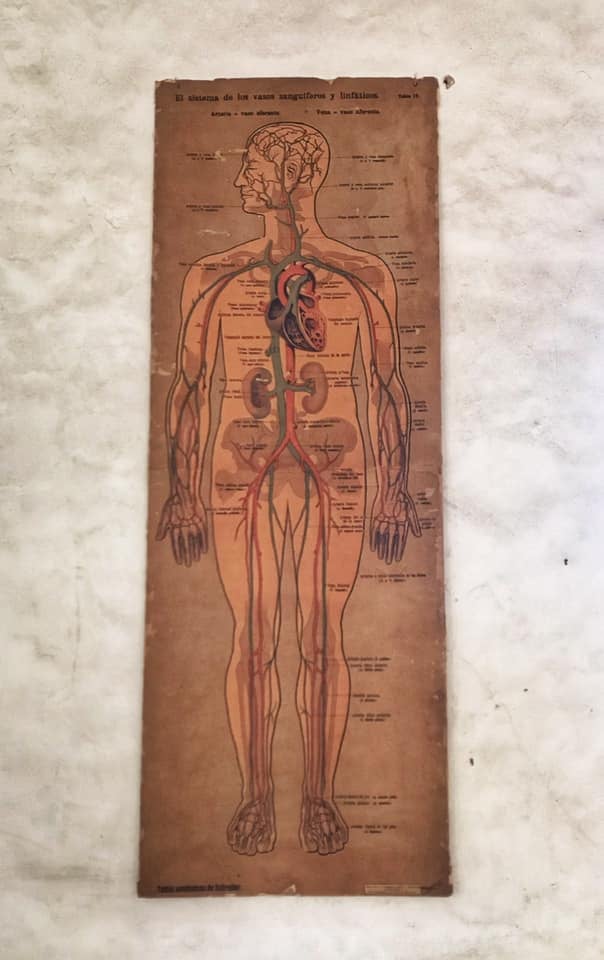
Museo de Medicina

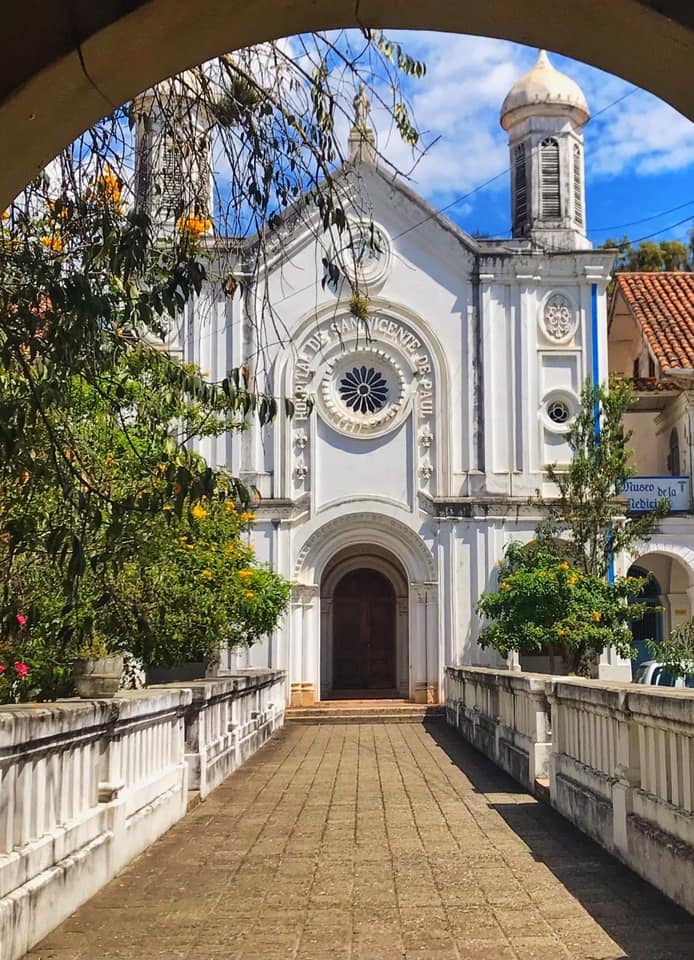
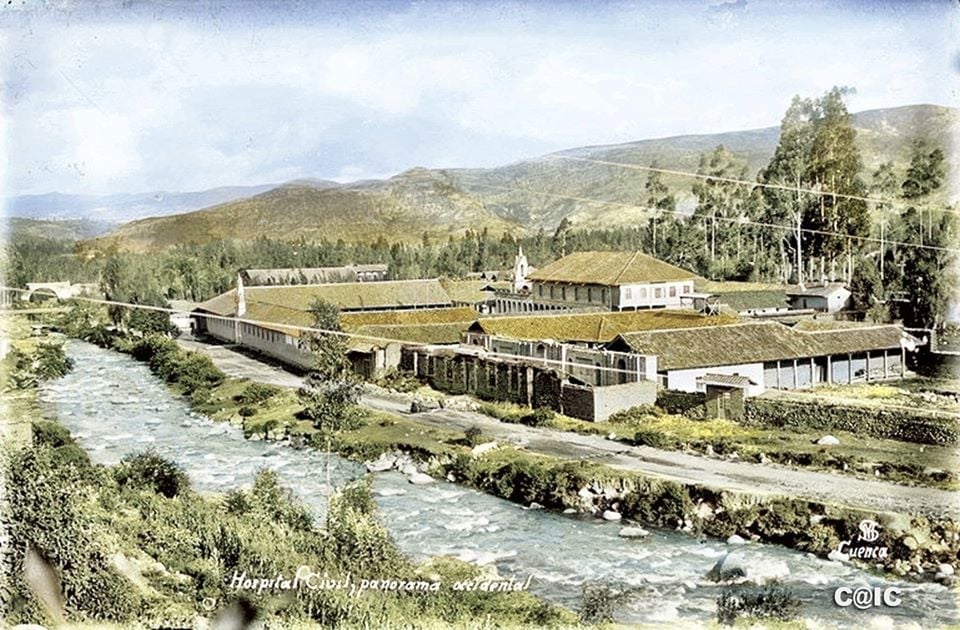
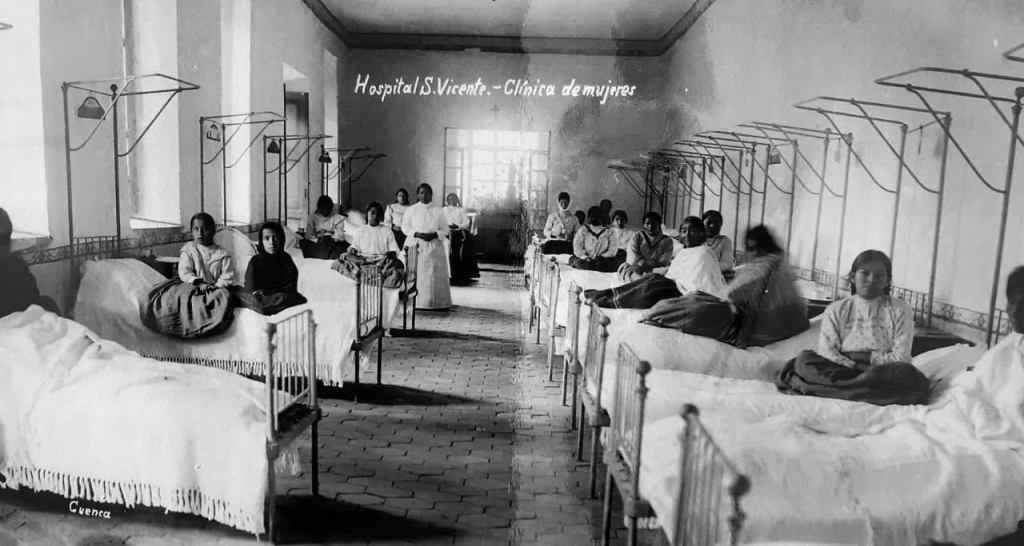
Formerly the St Vincent of Paul Church and Hospital. 12 de April and Solano Avenue.

For over seven decades, these buildings accommodated the St Vincent of Paul Hospital, the city’s first health institution run by Social Welfare. It is accessed via a long exterior corridor that generates a slow approach, providing users with the time to admire the beautiful architectural features of the complex. Of handsome proportions, the church was designed by the German Redemptorist monk Juan B. Stiehle in the late 1890’s and was financed by Social Welfare with funds collected from donations and bequests.

Above the pediment,serving as the crest, is a statue of St Vincent of Paul.

An underground crypt contains 30 funeral vaults, in keeping with the old tradition of burying the dead in churches.

The complex was restored in 1986 by the architects Patricio Muñoz Vega and Gustavo Lloret Orellana, with funding from the Central Bank of Ecuador. Now it accommodates the Medicine Museum, and the church has been adapted to serve as the museum auditorium.

There are botanical gardens in the grounds and the complex is also one of the venues used for the Cuenca International Biennial.

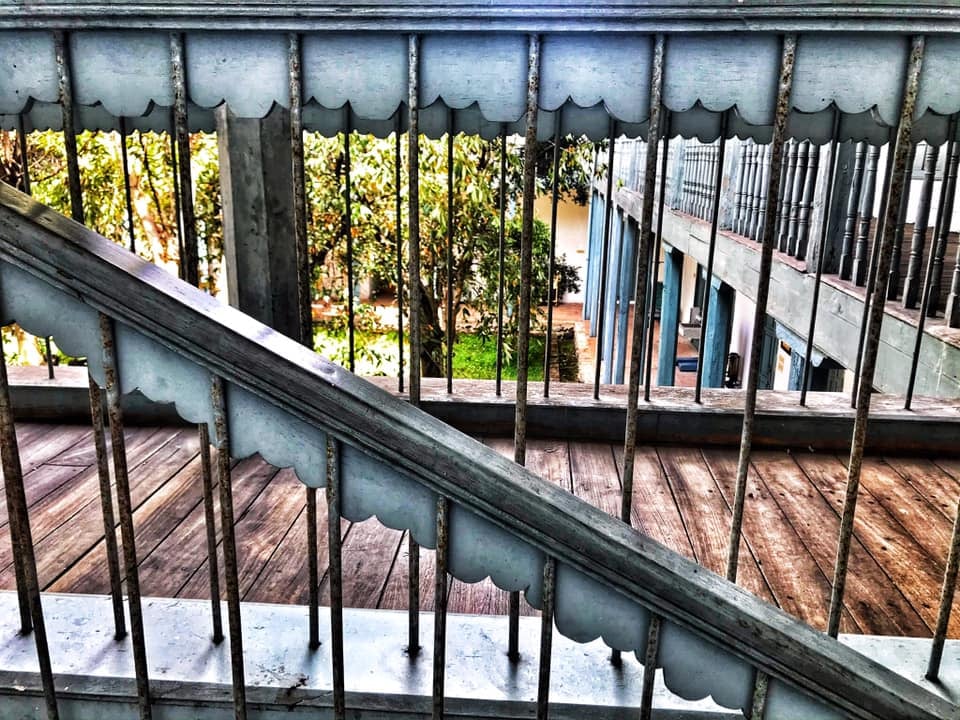
The hospital facilities were organized in large wards around interior courtyards.

The church emerged as a consequence of the presence of the Sisters of Charity religious order, which attended the sick, and the need to keep vigil over those who died in the hospital.

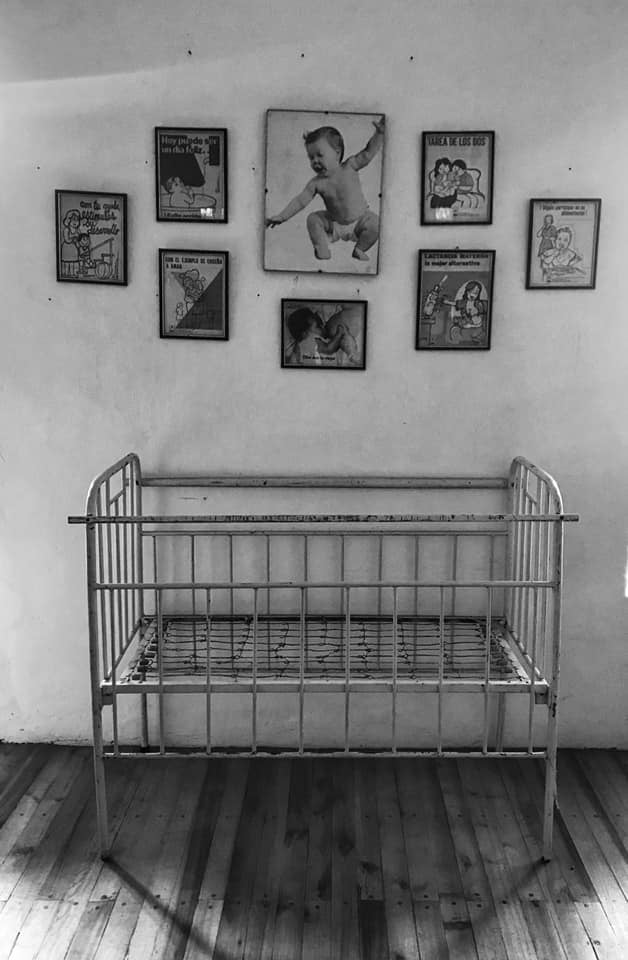
Pediatric Ward

Incubator

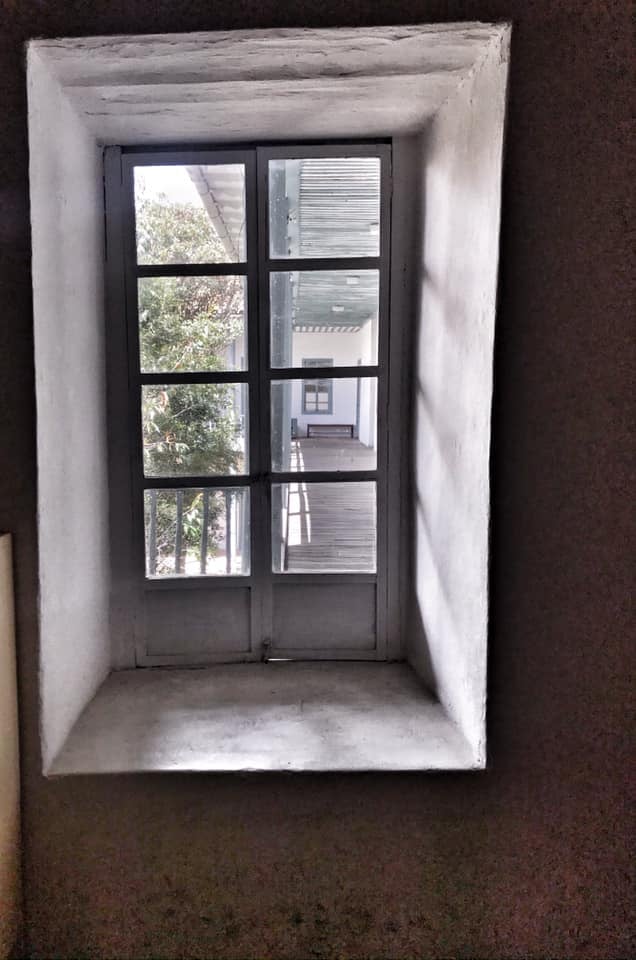
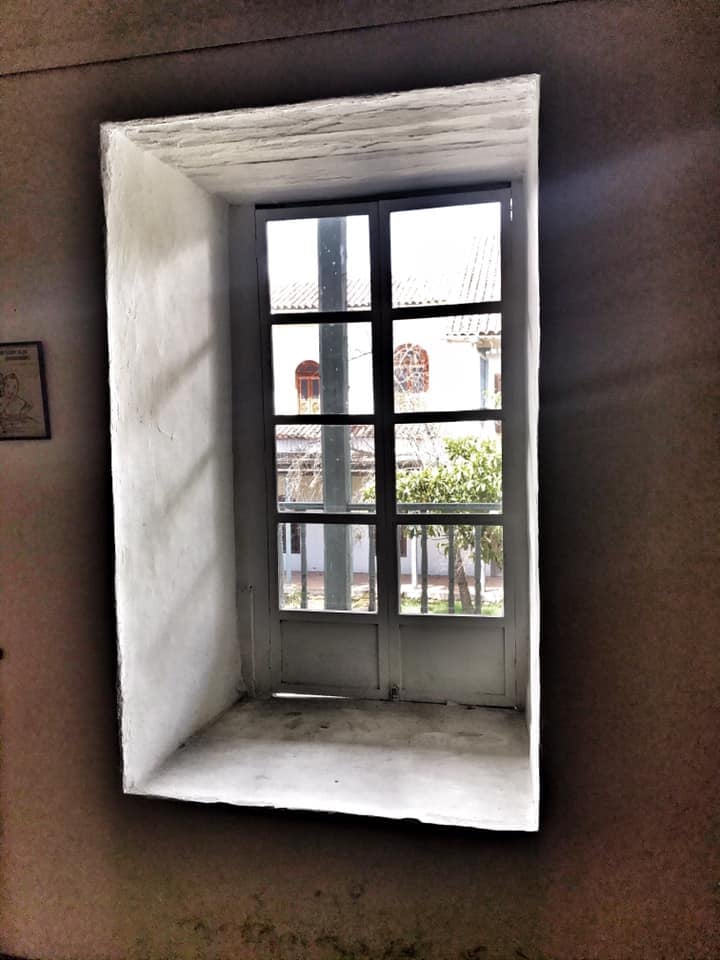
Thick adobe walls with deep set windows

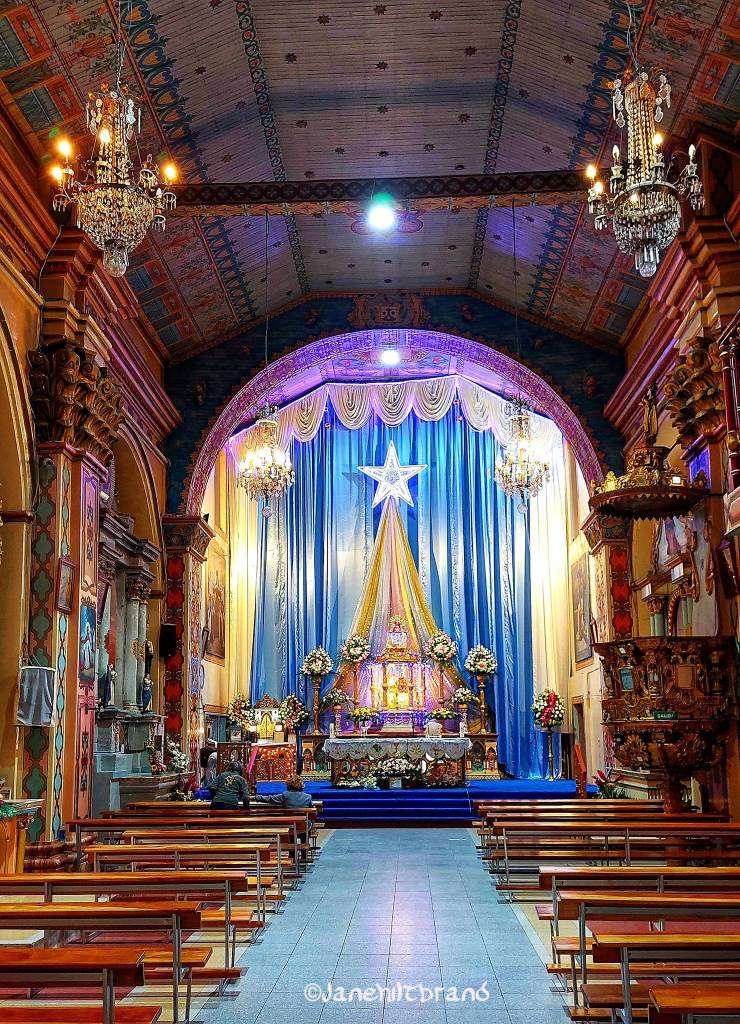
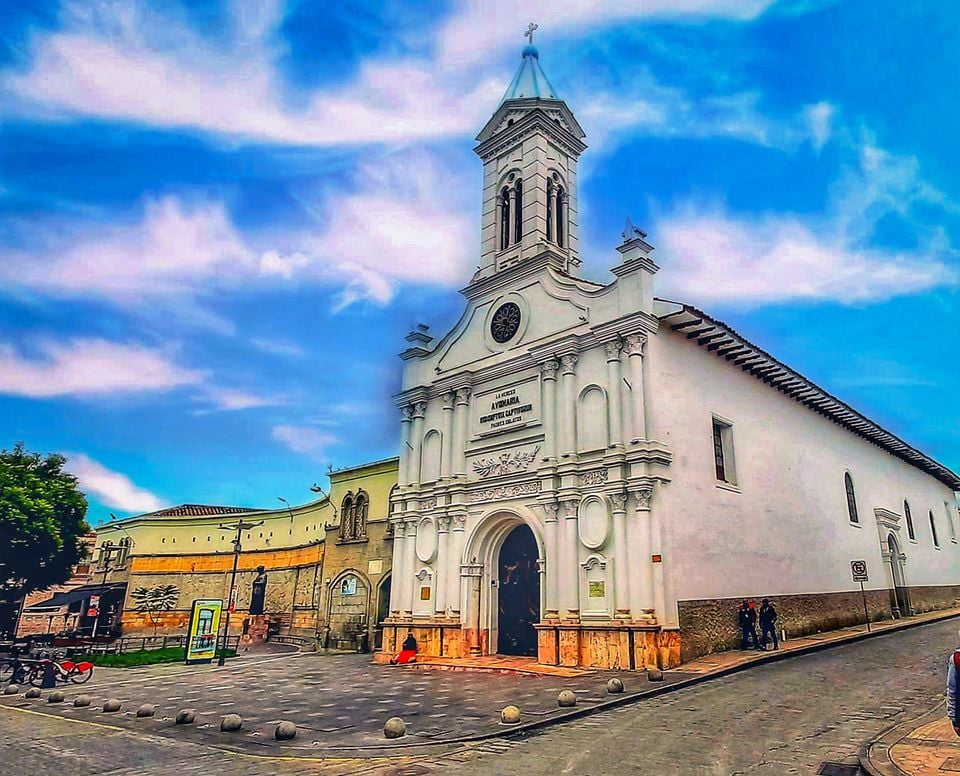
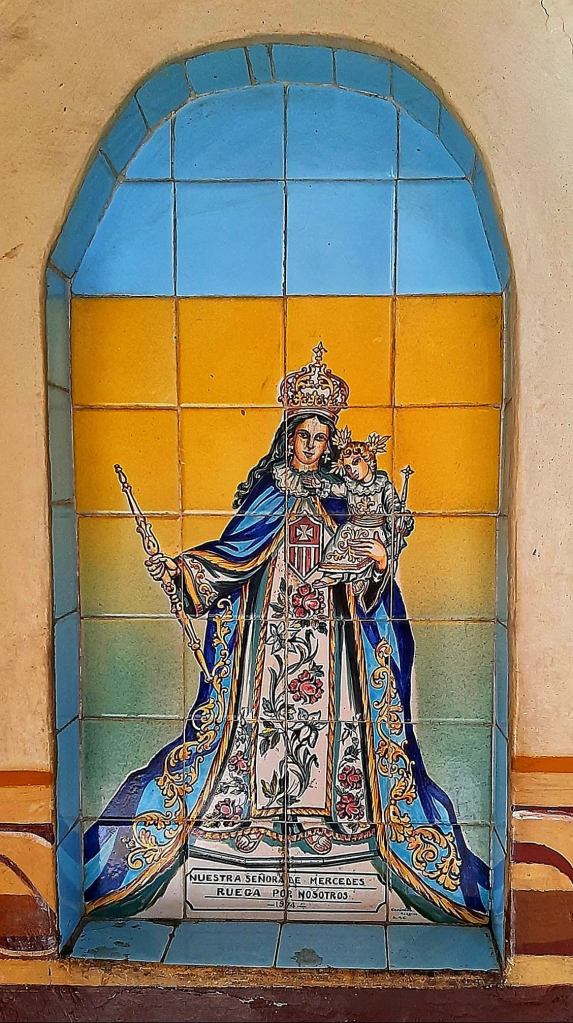
Iglesia de la Merced

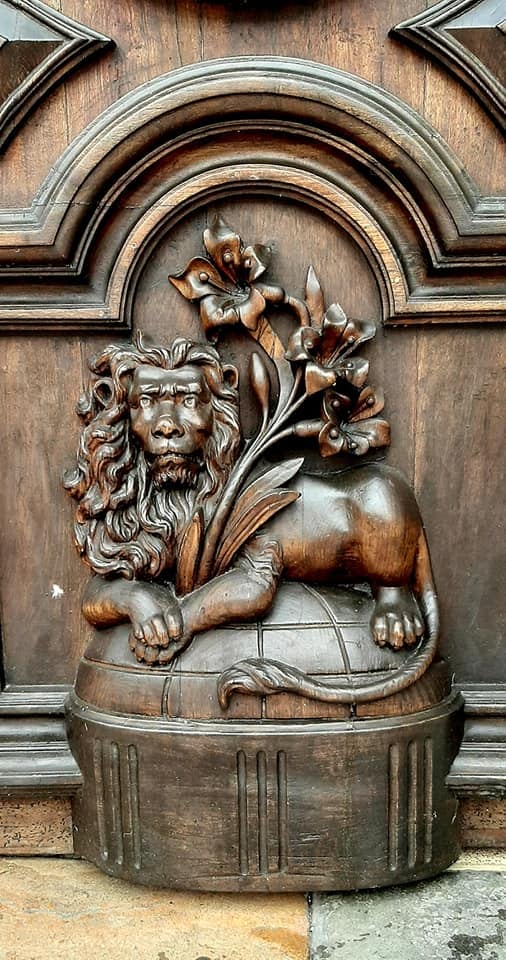
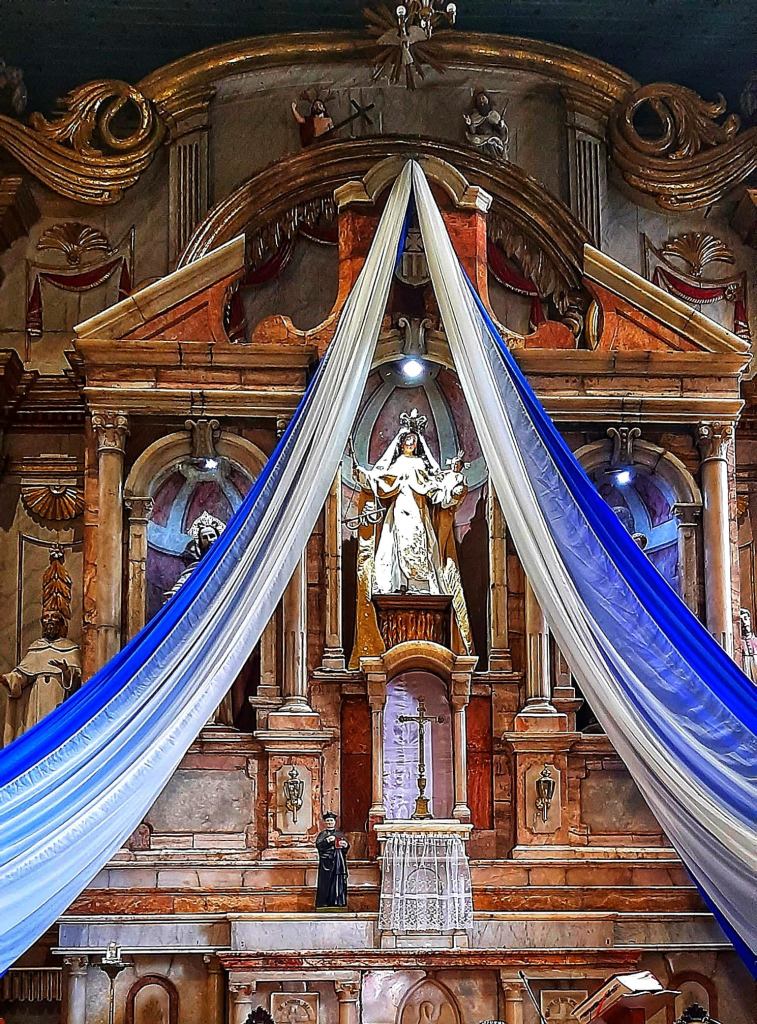
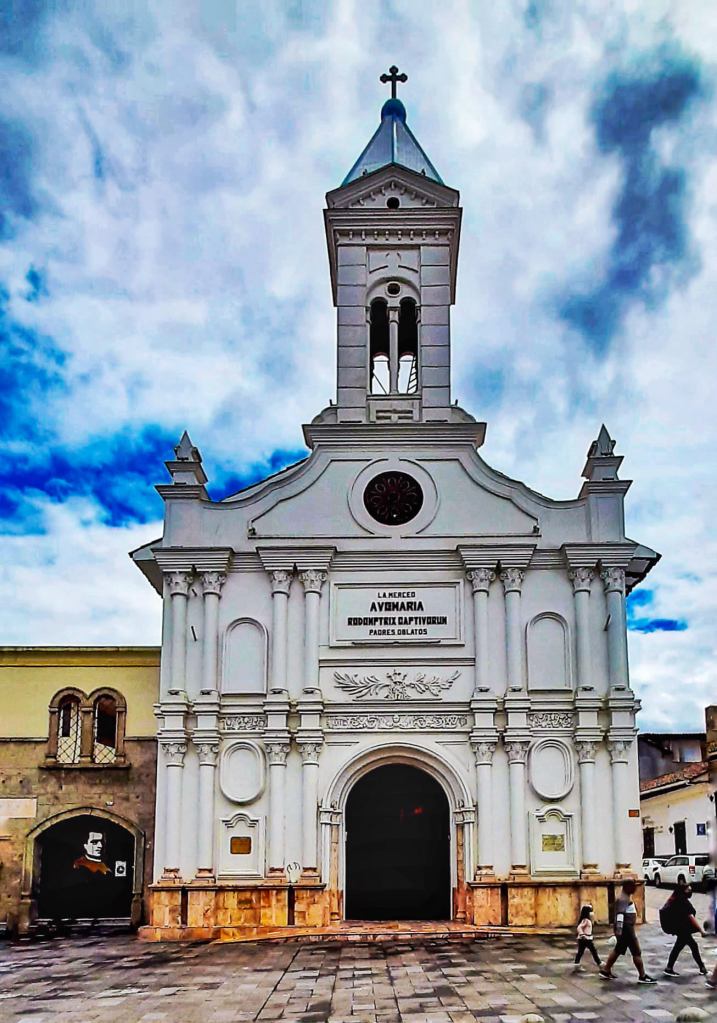
The Mercedarian Monastery in Cuenca was founded on 12 May 1712. Its first commander was Father Pablo de Santo Tomás, who initiated construction of the church and monastery. The latter was allocated to the Oblate Fathers, whose order was founded in the city of Cuenca by Father Padre Julio María Matovelle, the designer and builder of the church between 1884 and 1918.

There are two Castilian lions exquisitely carved on the front door.

In 1960 the Oblate Order decided to renovate the monastery, but the appearance of the church has remained relatively unchanged through the years. Inside, the church has low levels of natural light due to the fact that there are very few windows in the thick adobe walls of the church.

The middle of the carved wooden door displays the shield of Cuenca.

The left leaf of the door is decorated with an image of Our Lady of Grace,

The right leaf of the door displays the Mercedarian shield decorated with laurels and angels.

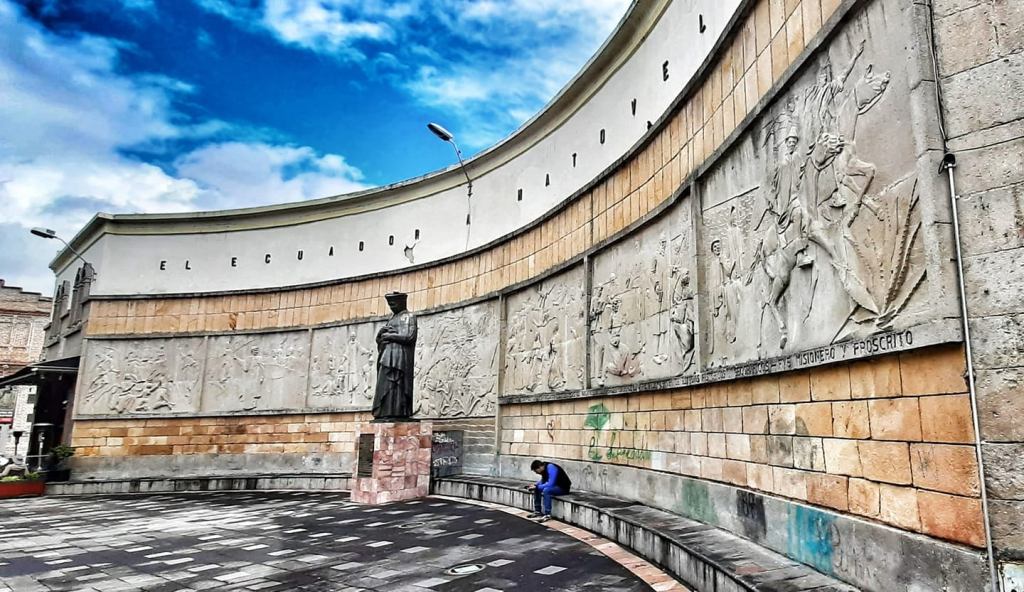
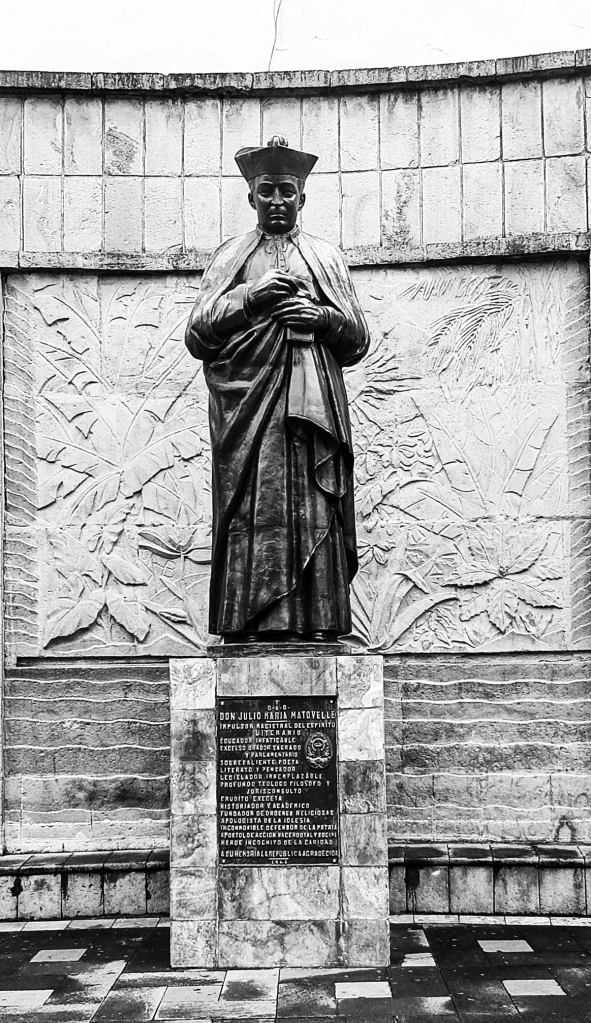
Located on one side of the church is Padre José María Matovelle Square, named after the founder of the Order of the Oblate Fathers in Cuenca. The square is distinguished by a concave stone wall carved with images associated with the foundation of the city, with a sculpture of Matovelle at its centre.

On the concave wall are images of the founding of the city and the church

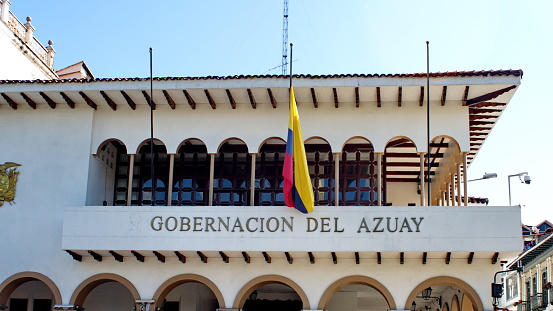
Gobernacion del Azuay

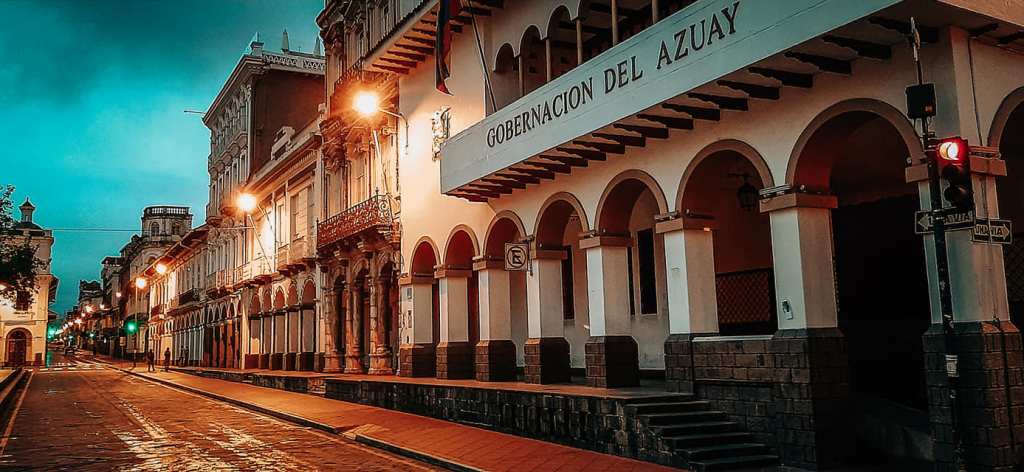
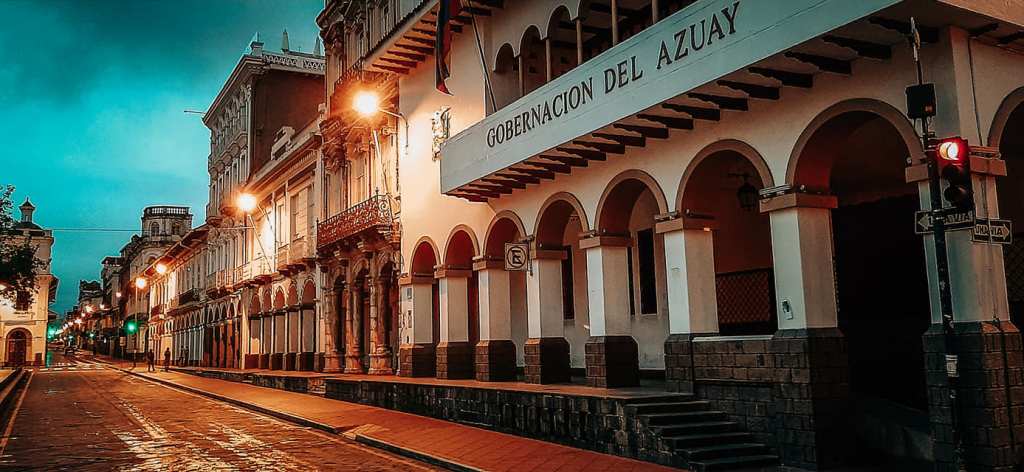
At the corner of Calle Simón Bolívar and Calle Luis Cordero, overlooking Parque Calderón , sits the Gobernacion del Azuay, the government center of Azuay Province. 

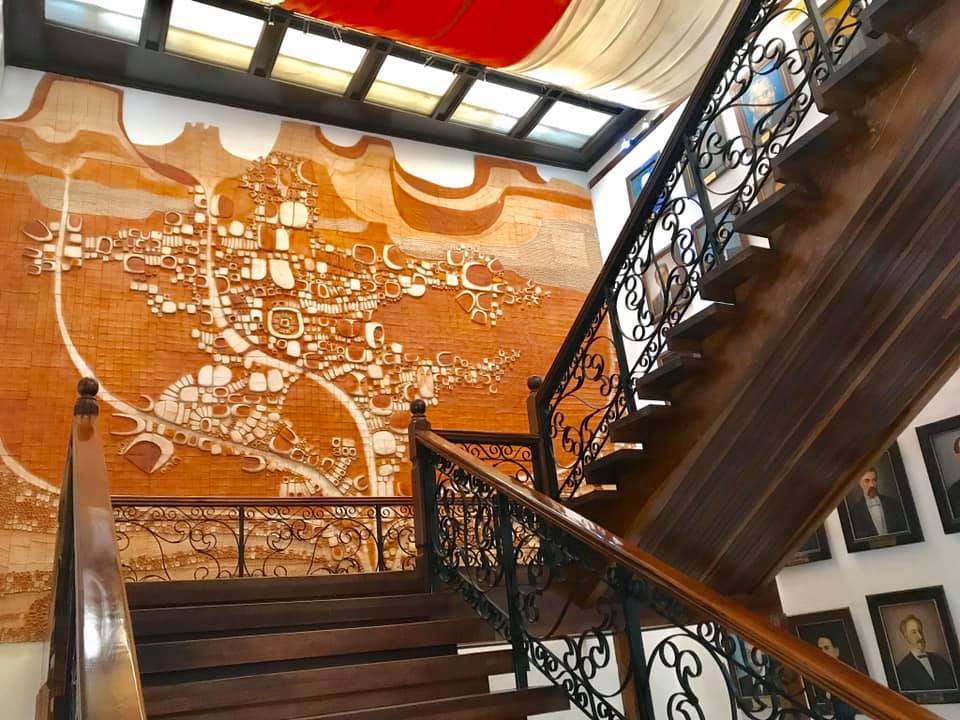
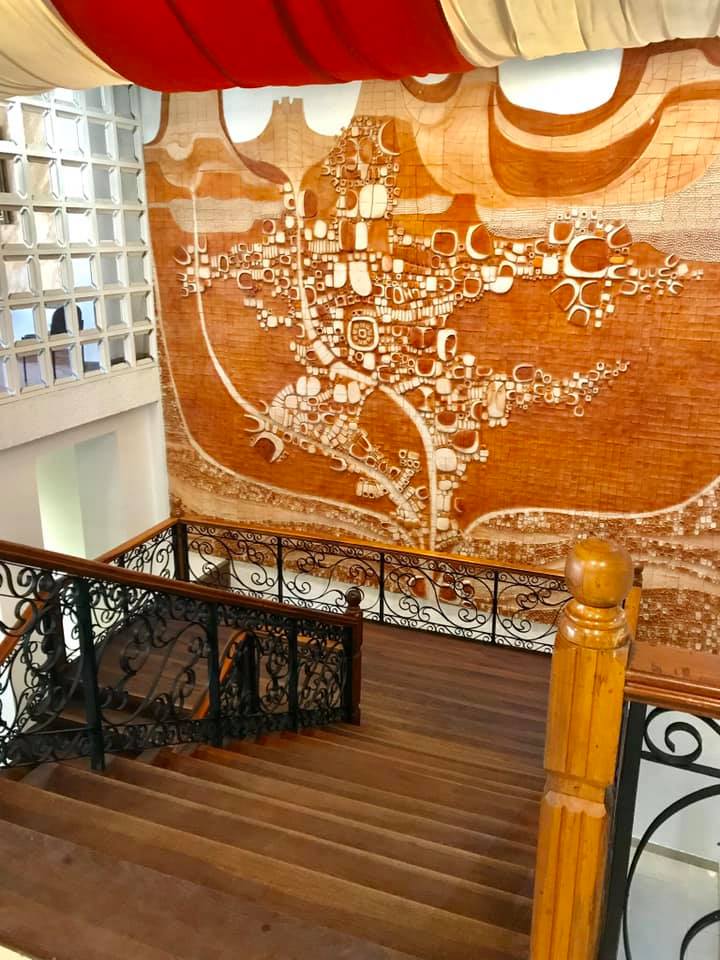
There is an elegant staircase to the second floor, with a large tile mural as the backdrop.

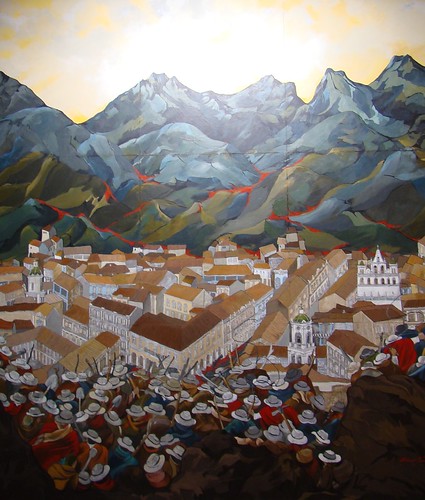
On the wall facing you as you enter is a large format wall painting by Marco Martinez Espinoza.  The theme is “La Huelga de La Sal ”, an uprising of the indigenous people of Azuay and part of Cañar, who in 1925 surrounded the city of Cuenca, in protest at the hoarding of salt and its speculation

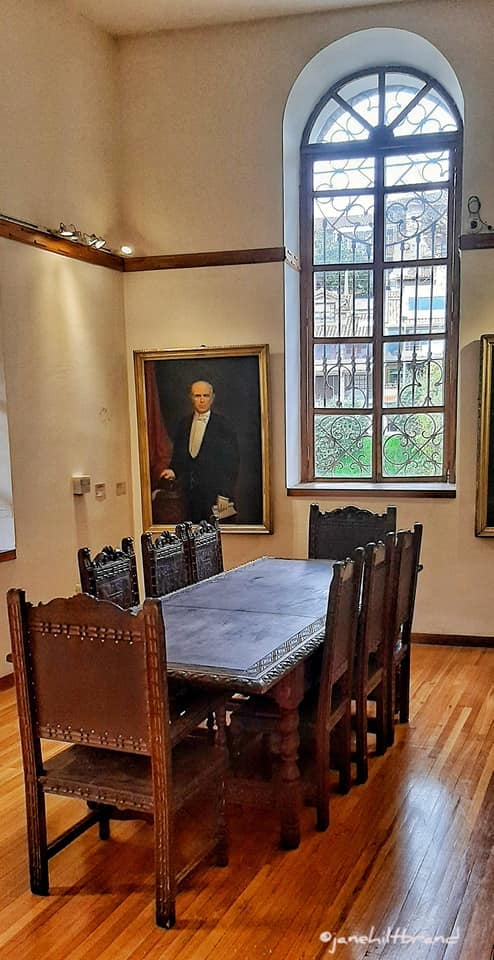
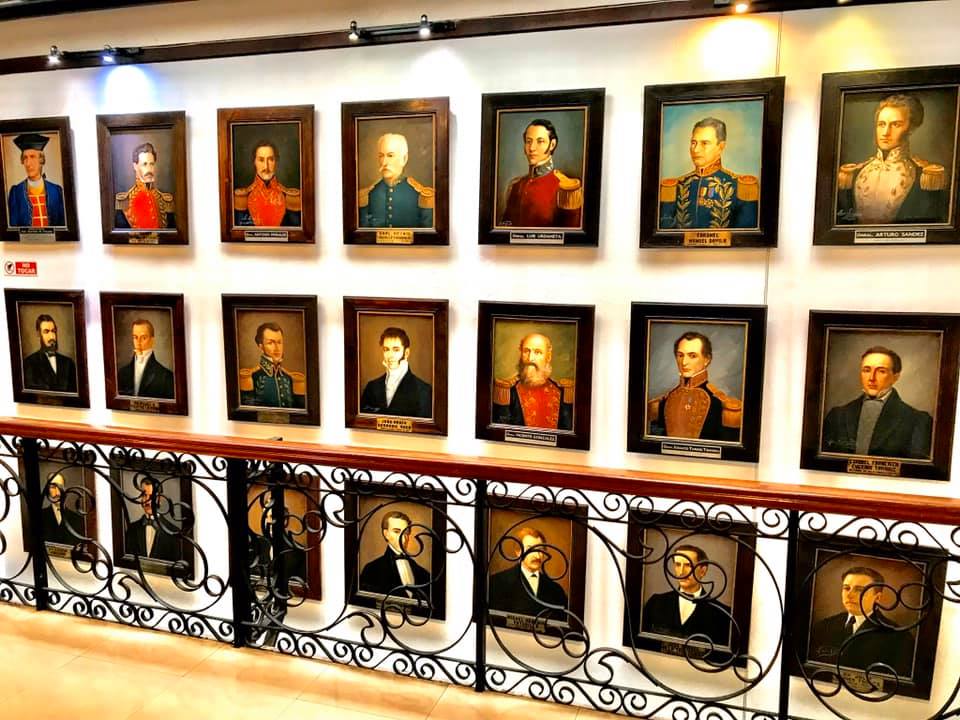
In the Galeria y Historia Jose Domingo Lamar, there are portraits (and photos) of many of the provincial governors displayed. 

Jose Antonio de Vallejo, First Governor of Cuenca

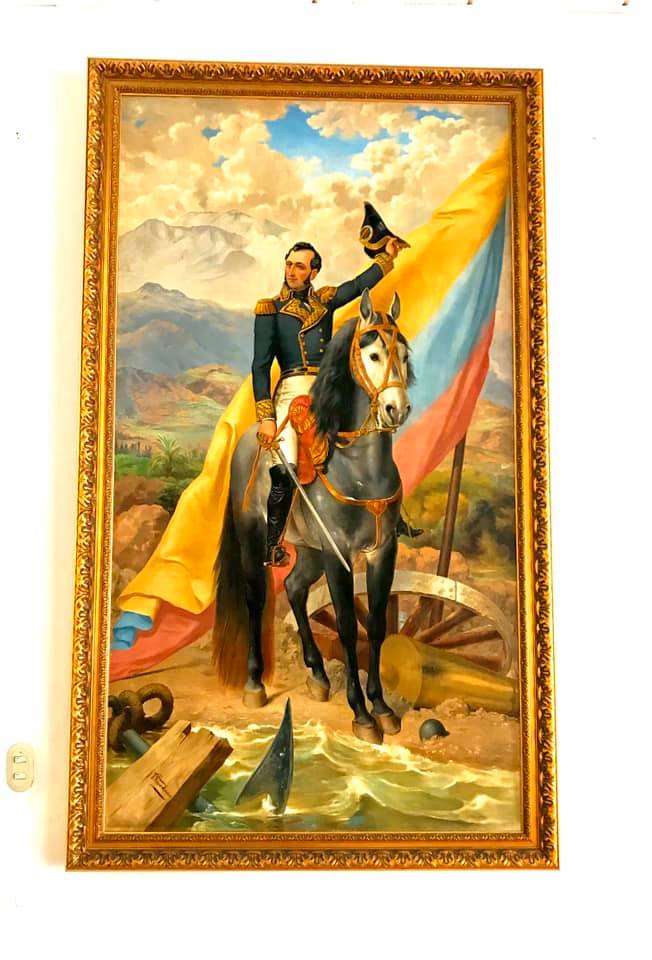
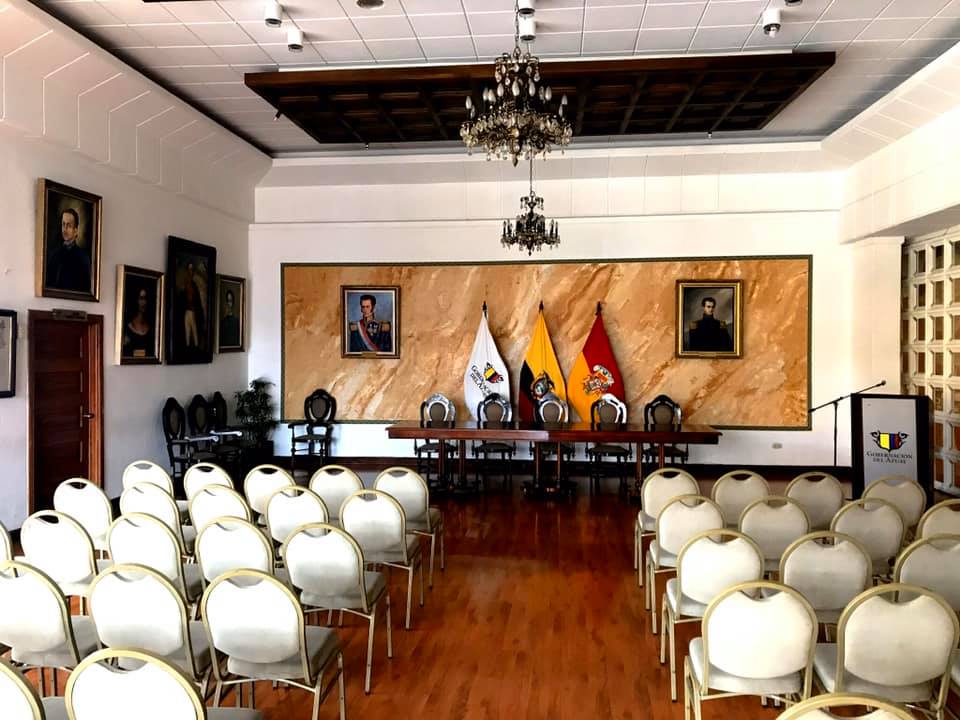
A large portrait of “El Gran Libertador”  Simón Bolívar overlooks the Assembly room. 

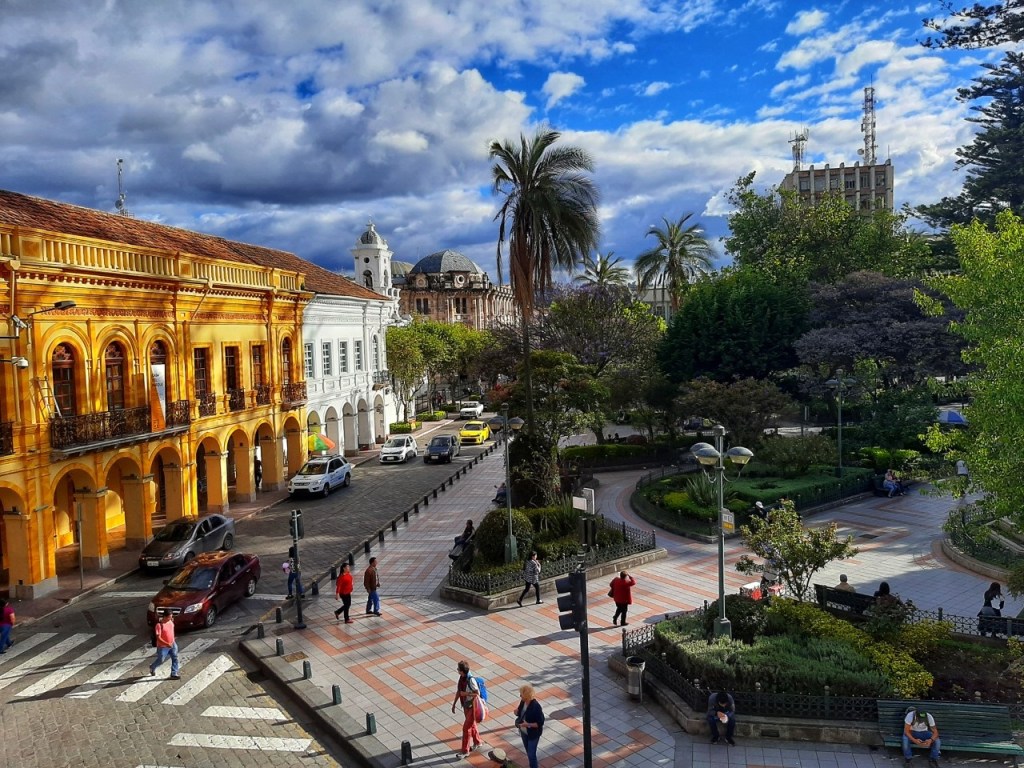
From the second floor balcony of this building you can see an amazing overview of all of Parque Calderón.  In non-covid times, if you politely ask the guard in the building, he will allow you to go out on the balcony to view it. 

More of the view from the balcony at Gobernacion del Azuay.

Calle las Herrerías

The Las Herrerías neighborhood is one of the most traditional neighborhoods in Cuenca.  In the past this area was on the edge between the city and rural areas.  Workers came to this area with their horses loaded with products to sell in Cuenca. 

The horses were tied to posts, while their owners went to sell their products in the markets.  In the meantime, the ironworkers would forge horseshoes  for the horses and mules, and produce other ironwork products.

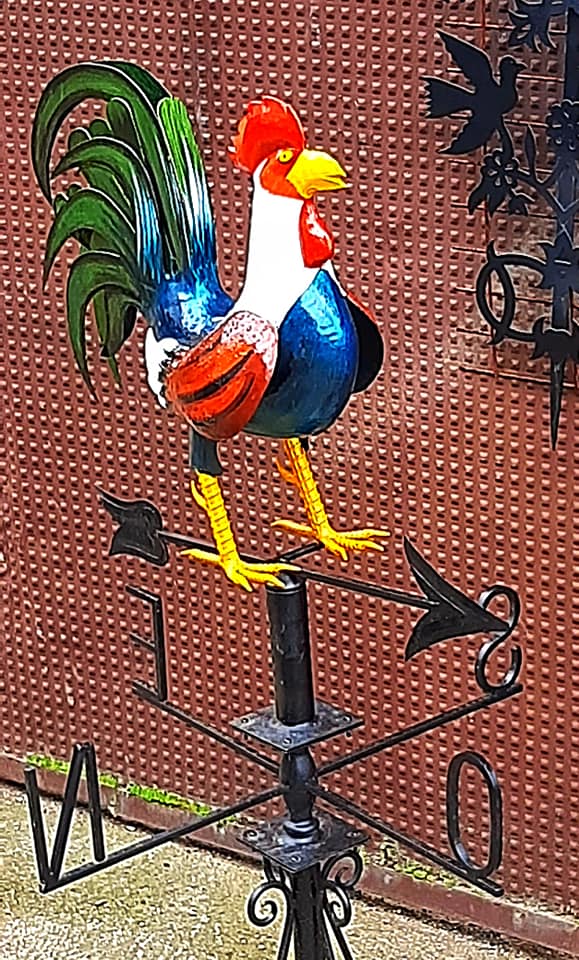
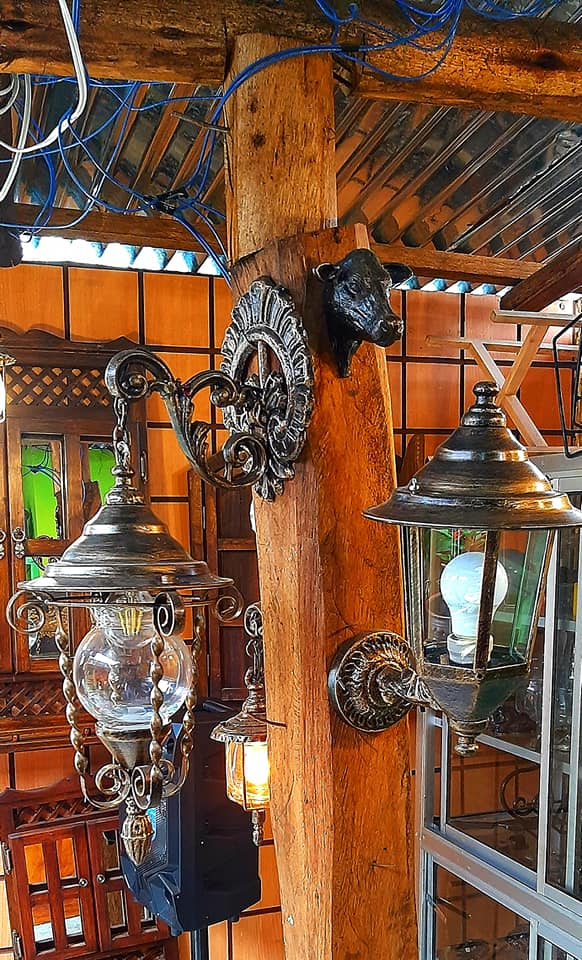
They also made  Huasipichais, crosses that were placed on the roofs of homes. At one time there were more than 50 blacksmiths working in this area.  Now there are far fewer.  Instead of horseshoes, the blacksmiths now make lamps, chandeliers, crosses, vases, lanterns, shelves, hinges, doorknobs, and door knockers.  Bring them a picture, and they can make anything you desire!

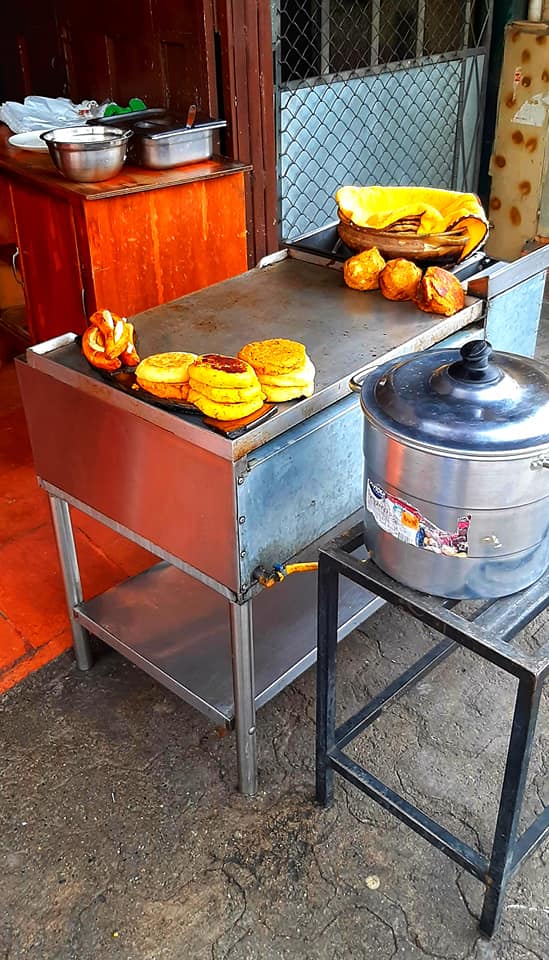
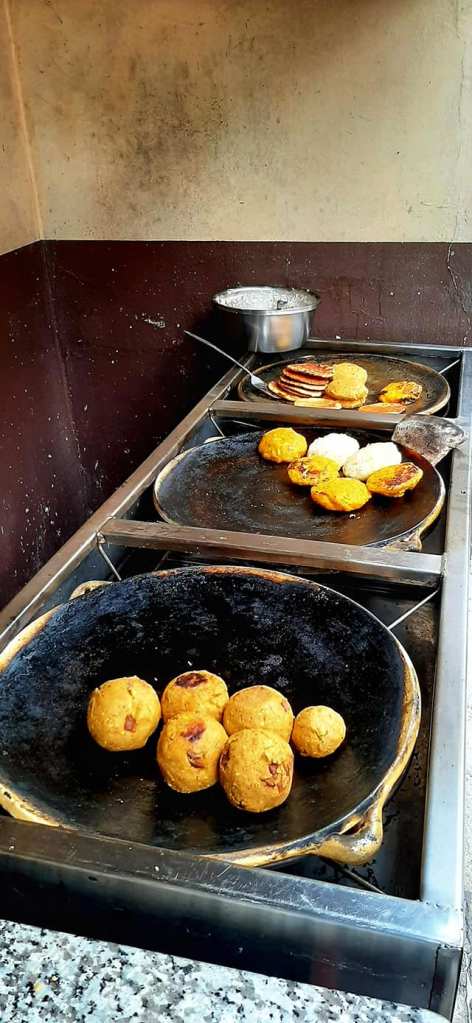
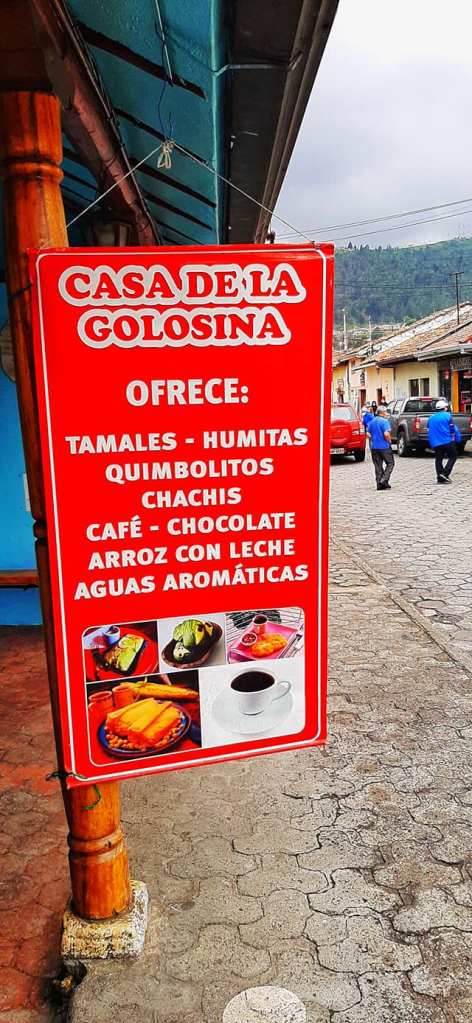
The area is also known for the local food – there are many restaurants on the street selling tamales, humitas, quimbolitos, empanadas, green tortillas, and fresh fruit juices.

At the end of Calle Las Herrerias is the Plaza Del Herrero, with the unique sculpture of “El Vulcan”.  The statue symbolizes the Roman god Vulcan, the god of fire and metal. Rising from the volcano is the torso of a blacksmith, holding an anvil.  There is an internal system which lights up with a flame, which is lit on special holidays. The volcano, which symbolizes the Andes Mountains, is covered with hundreds of enameled ceramic tiles, rocks, bricks and baked clay.

German-born ceramicist Christy Hengst and blacksmith Helmut Hillenkamp, both residents of Santa Fe, New Mexico, came to Cuenca in 1995 as part of the international aid company Swisscontact. The sculpture was made in collaboration with Helmut Hillenkamp, Miguel Cajamarca and Rafael Orellana (they made a large amount of the head);  and Manuel Guerra,  Vincente Maldonado, and, Mauricio Quezada. 

With the Internet and the help of  friends in the U.S. and Germany, they managed to acquire the economic support they needed for the project. The grouping of stone columns in the plaza are inscribed with the names of the people and companies who funded the project.  The square opened in 1996.

At the end of the plaza is the Casa de Chaguarchimbana , which dates back to 1870, and which now houses the Museo de los Artes del Fuego. 

Hotel Victoria

Calle Larga and Presidenta Cordova

This building is one of an interesting group of dwellings from the republican period, built by the Crespo family.  It is thought to have been designed by a Chilean engineer, who also designed the adjacent house.  The first owner was Sra. Elvira Crespo Vega.  She was the daughter of the poet Remigio Crespo Toral, and the wife of another poet, Gonzalo Cordero Dávila, who was the son of President Luis Cordero Crespo.
In 1994 the building was remodeled by the architect Francisco Escobar to accommodate the Victoria Hotel.  It is one of the finest hotels in Cuenca.

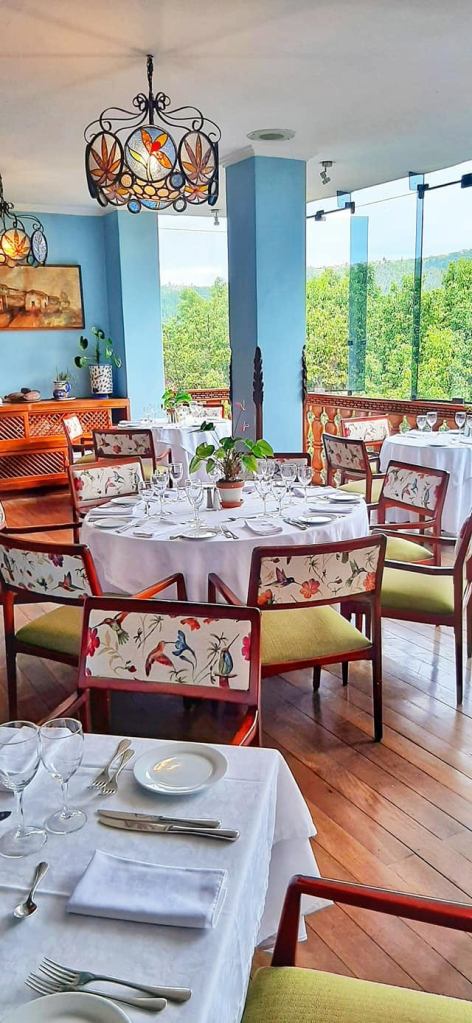
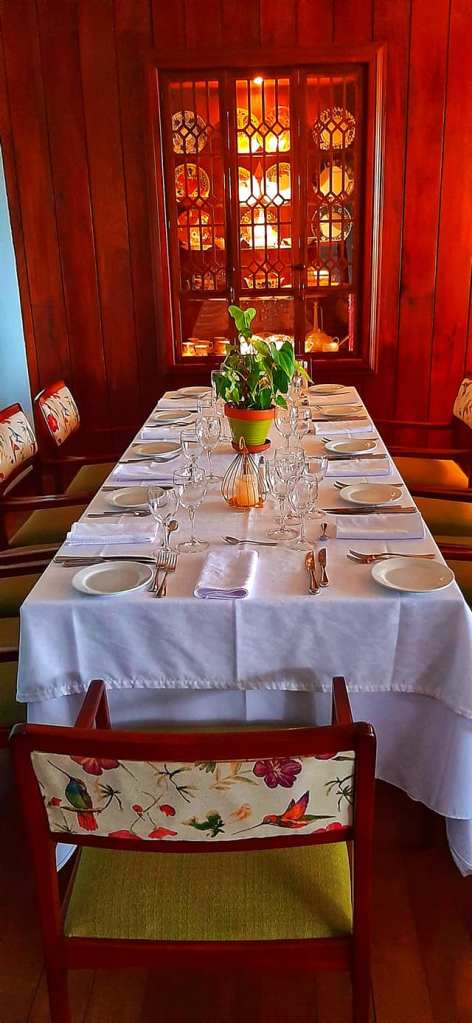
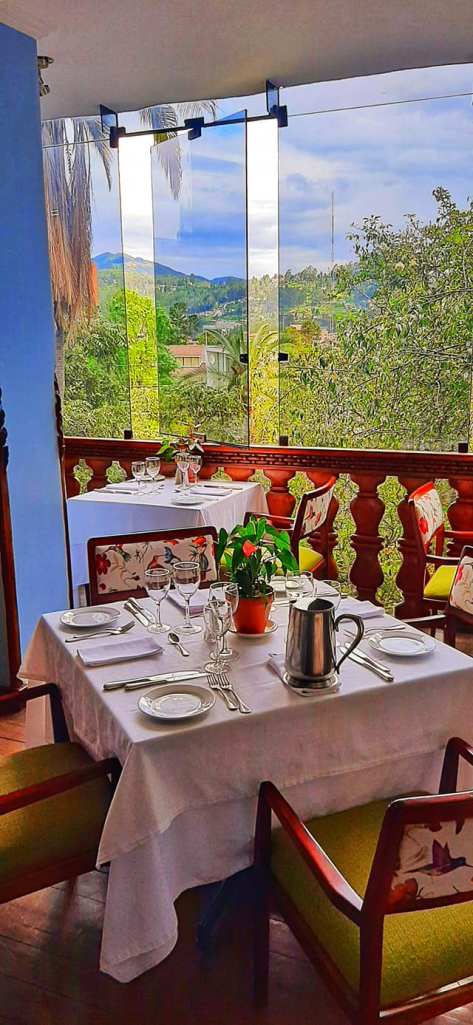
El Jardin is the fine dining restaurant in Hotel Victoria. It has a lovely view overlooking the Tomebamba River.

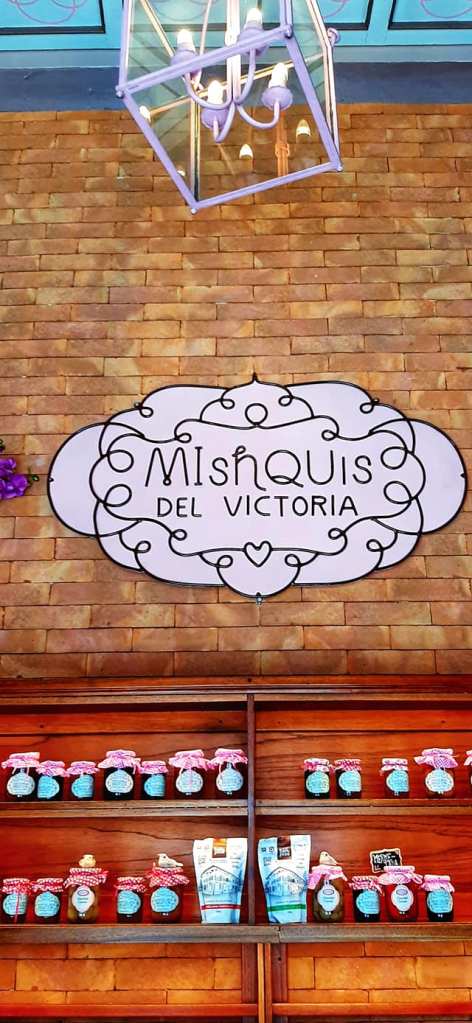
Hotel Victoria has its own pastry shop – Mishquis del Victoria.

There are beautiful gardens in the rear of the building.

The central vertical section is distinguished by a horseshoe window with marble pillars and mouldings, and a central projecting balcony  of the same material.